Front-End PPF vs Full-Body: Which Package Is Worth It?
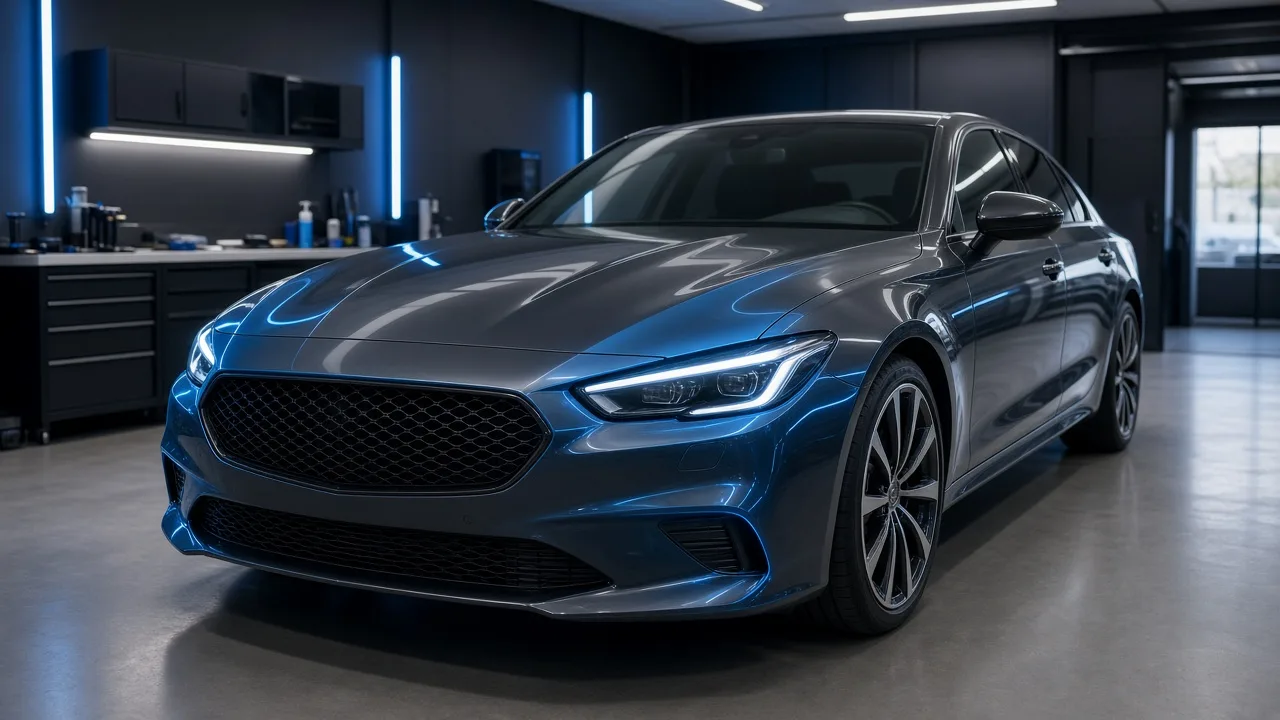
Front-end PPF shields high-impact zones for less money; full-body film preserves every panel. Compare coverage maps, resale benefits, and driving habits to pick the right package.
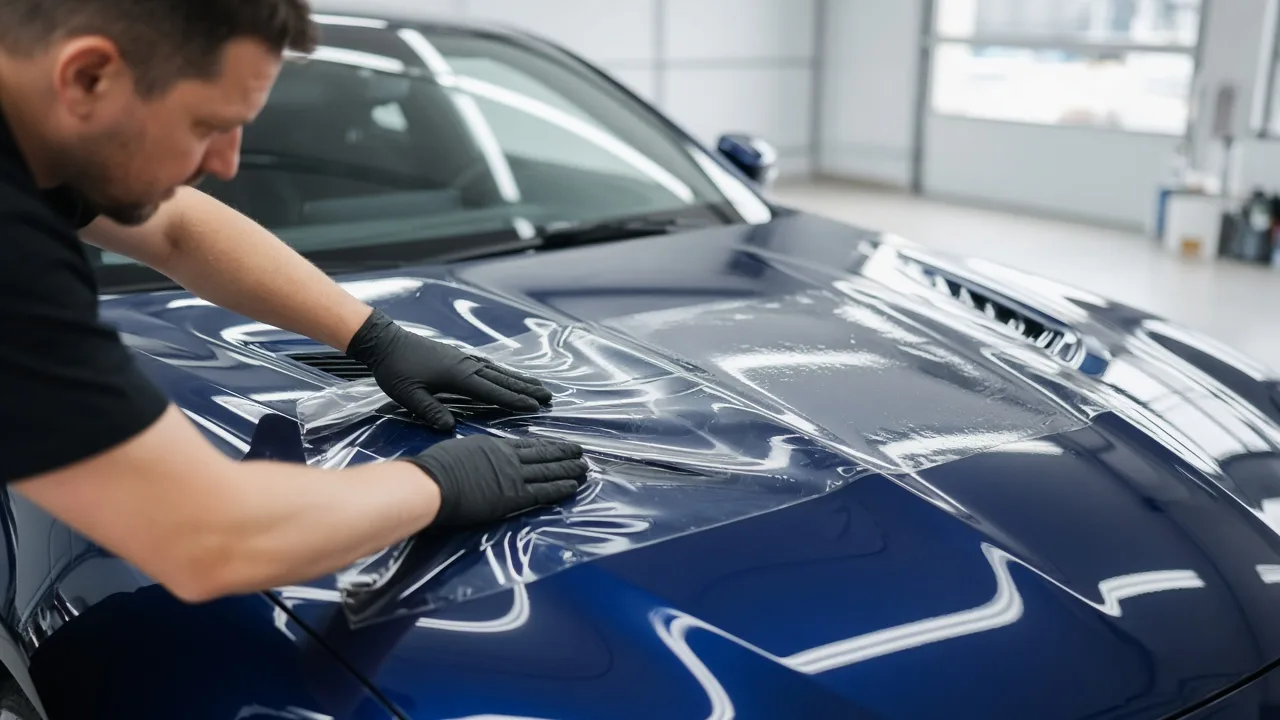
Choosing between front-end PPF and full-body film is really a question about where your paint takes punishment—and how long you plan to keep the vehicle looking flawless. Both approaches use the same urethane technology; the difference is how much real estate you shield before chips and scratches accumulate.
What front-end PPF actually covers
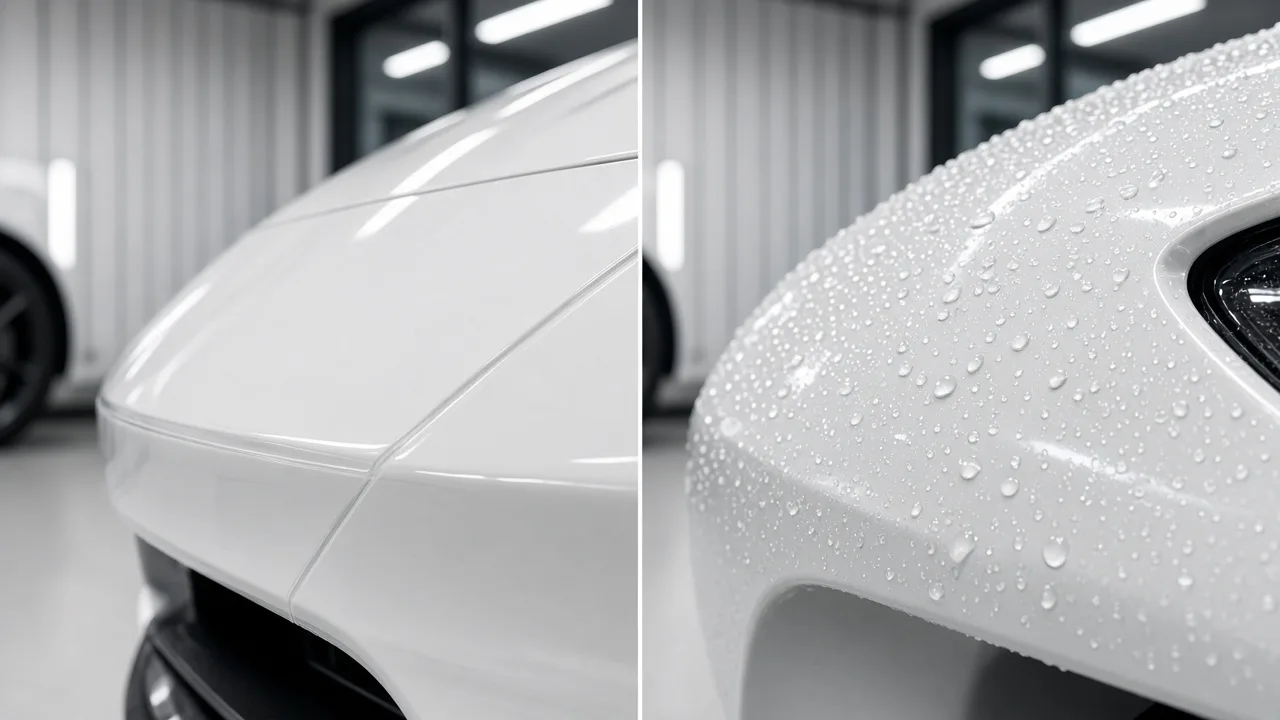
Front-end packages concentrate material on the nose of the vehicle: hood, bumper, fenders, mirrors, and common add-ons like headlamp film or A-pillar strips. Partial variants shorten hood coverage to save cost, leaving a horizontal seam mid-panel. Full-front versions wrap the entire hood and bumper for a cleaner look and fewer water traps.
This strategy assumes the leading third of the car sees the majority of highway debris. For many sedans and crossovers, that assumption holds. Rear panels still face door dings in parking lots, but rock spray hits the front first and hardest.
When full-body PPF makes financial sense
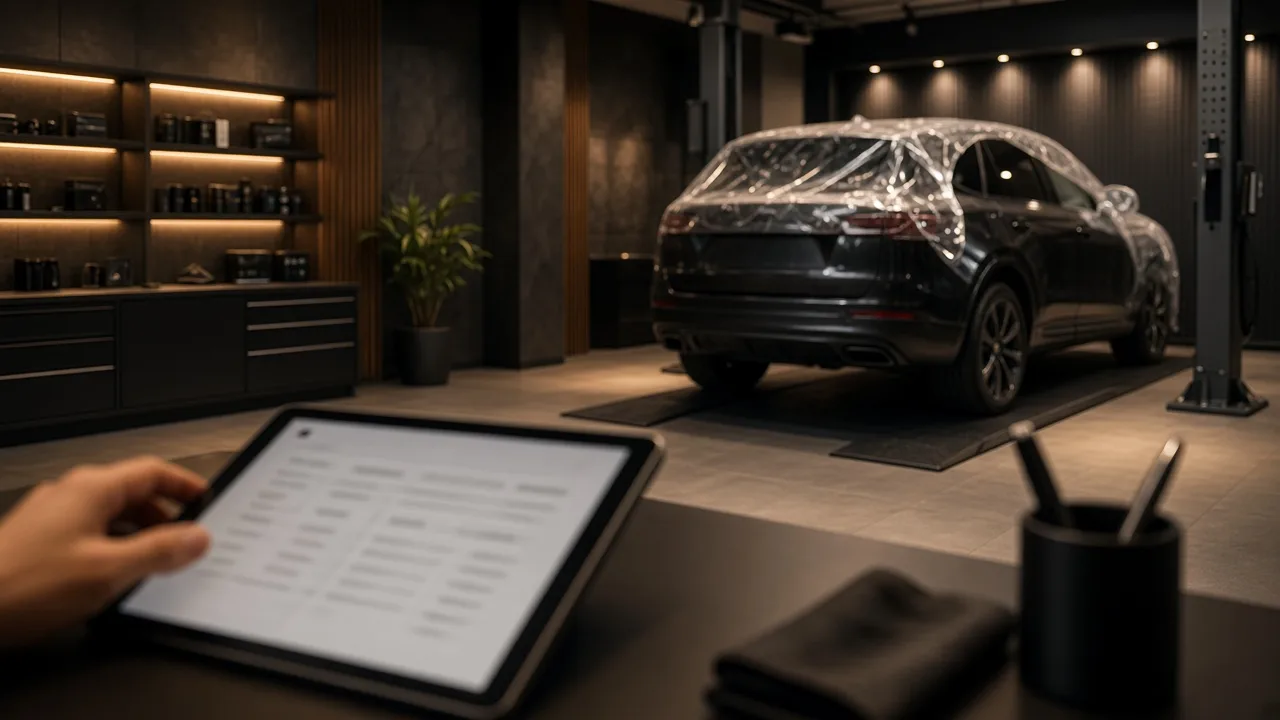
Full-body installs wrap every painted exterior panel, including doors, quarters, rockers, and sometimes roof or trim pieces. Owners choosing this path often drive expensive vehicles, log heavy miles in chip-prone regions, or plan to sell on appearance-sensitive markets. Uniform protection simplifies resale stories: every panel shares the same care history.
Lease return fees for paint damage can exceed incremental film cost on luxury leases. Collectors storing cars still benefit from full-body coverage when occasional drives expose the entire shell to grit. Calculate total cost of ownership, not just day-one install price.
Visual uniformity and maintenance reality
Mixed coverage means protected panels may resist swirls better than bare paint washed the same way. Over years, gloss mismatch can appear unless you coat unwrapped areas or refresh paint. Dark colors show chips on unprotected rear bumpers and leading door edges—common upgrade zones after the first front-end job.
Full-body film eliminates panel-by-panel guesswork but demands higher upfront budget and longer install downtime. Maintenance stays consistent: wash the whole car with film-safe methods without wondering which panel is urethane versus clear coat.
Risk mapping for your driving profile
Highway commuters and rural gravel routes justify aggressive front coverage at minimum. Suburban short trips with garage parking might tolerate partial front plus coated rear. Family haulers see door cup scratches and rear hatch loading scars—areas front-end kits ignore. Trucks towing boats need rockers and rear quarters in the conversation early.
Track and autocross participants often combine full front with reinforced rocker and splitter protection rather than jumping straight to full body unless budget allows. Map your actual scars from past vehicles; paint history beats generic package names.
Cost spread and upgrade paths
Front-end jobs typically cost a fraction of full-body work because material and labor scale with square footage. Upgrading later is possible but may require blending new film with aged sections for color match. If you suspect you will expand within two years, ask whether staging installs saves money or creates rework.
Financing full-body upfront sometimes beats two separate visits with removal fees. Conversely, front-end now plus coating elsewhere preserves cash while solving the worst chip zones. Run both scenarios on paper with your installer’s panel pricing.
Making the call with a shop you trust
Bring photos of prior cars, your annual mileage, and parking context. Ask the installer to mark a diagram with recommended panels for your use case—not only the shop’s default bundle. Clarify edge wrapping, sensor handling, and warranty registration before comparing dollar totals.
When you want multiple local opinions, find PPF installers on BizMox and book consultations with clear coverage questions. The best package is the one that matches your risk map, not the one with the catchiest name on a menu board.
Lease, finance, and insurance angles
Lease agreements often charge for excessive paint chips on hoods and bumpers even when mechanical wear is acceptable. Front-end film frequently pays for itself at turn-in compared to rush touch-ups and redelivery fees. Financed daily drivers benefit similarly when trade-in appraisers deduct for visible nose damage.
Comprehensive insurance may cover collision-related panel repair but not preventive film—treat PPF as capital you control. Document install dates and coverage maps for adjusters if a covered event damages wrapped panels; they may replace film sections after approved body work.
Planning add-ons after the first install
Many owners return within twelve months for door cups, rear bumpers, or rocker panels once they see how chips accumulate elsewhere. Staggering spend spreads cost but may incur duplicate setup fees. Ask whether your shop credits prior customers for expansion work or bundles second visits at lower labor rates.
Color PPF and stealth upgrades mid-cycle can mismatch earlier clear gloss if you change aesthetic direction—plan finish type up front when possible. Mixing old and new film on adjacent panels shows under certain light; installers may recommend replacing entire sections for uniformity.
Whichever path you choose, photograph the car at install and revisit the same angles each year—visual proof helps you decide when add-on panels or full refresh truly beat living with chips on unwrapped quarters.
Remember that front-end PPF solves the highest-speed impacts while full-body coverage protects against parking chaos everywhere else—honest mileage and parking habits beat generic package names every time.
Decision shortcut: If chips on the hood keep you up at night, secure full-front coverage immediately. If every panel must look lease-return perfect for years, budget full-body. Most drivers land in between—front-end PPF now, targeted add-ons as life proves where the paint actually suffers.
Frequently Asked Questions
Comments (0)
Leave a Comment
You need to be signed in to leave a comment.
Sign in to comment