PPF vs Ceramic Coating: Which Protection Do You Need?
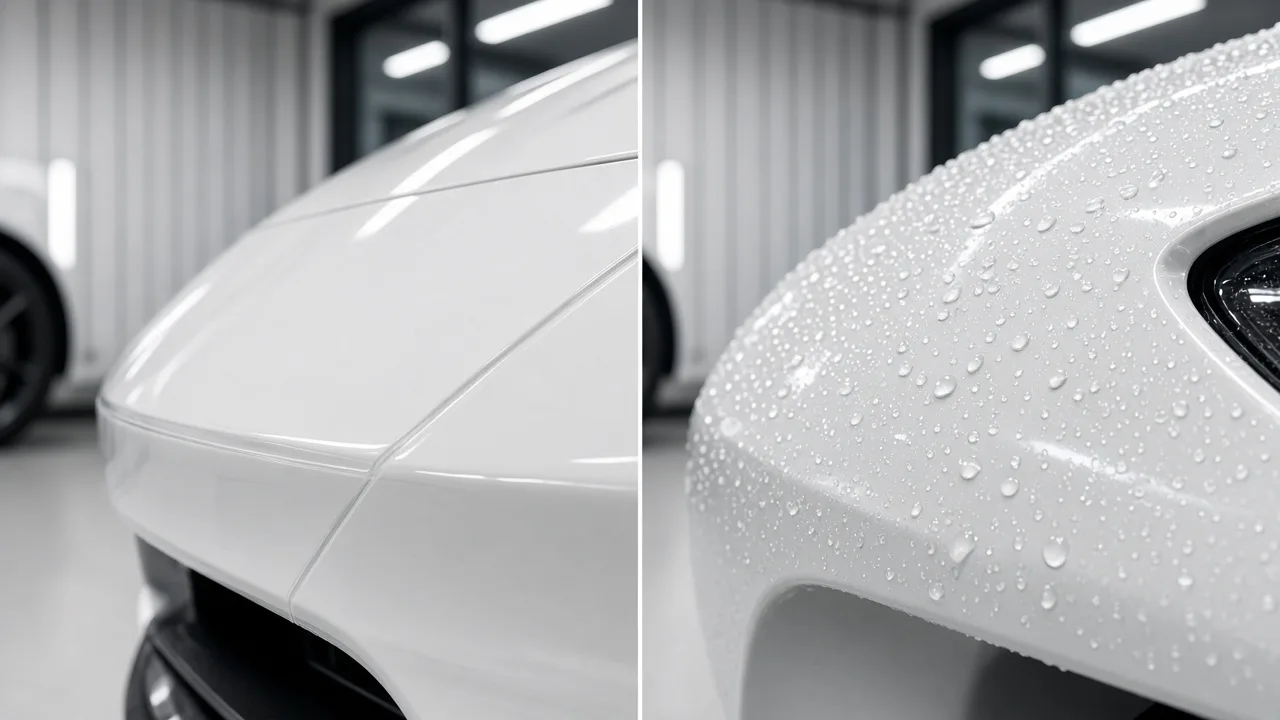
PPF stops rock chips and scratches; ceramic coating adds gloss and easy washing. Compare costs, durability, and combo strategies so you pick the right protection stack for your car.
Walk into any detail shop and you will hear the same debate: should you invest in paint protection film, ceramic coating, or both? The answer depends on what actually damages your paint. This comparison cuts through marketing noise and maps each product to real driving conditions so you spend money where it counts.
What each product is designed to do
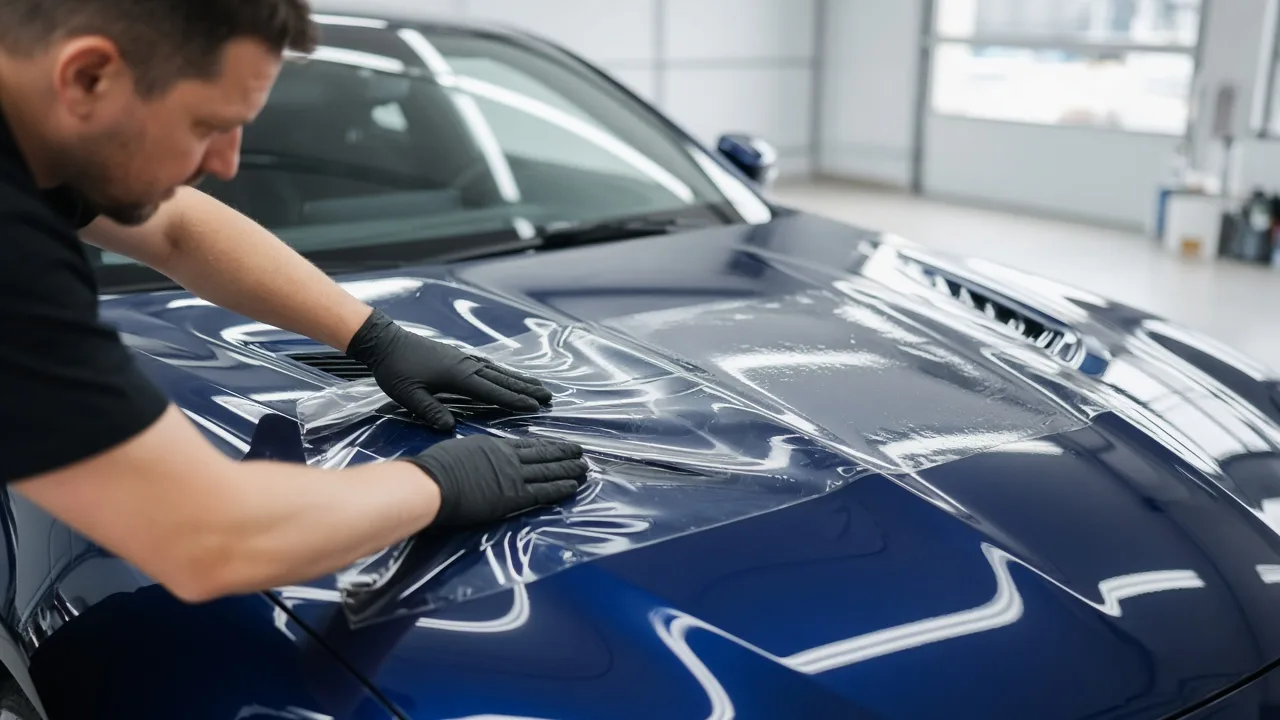
Paint protection film is a thick, clear urethane membrane applied like a second skin. Its job is mechanical—absorbing gravel hits, reducing scratch depth, and keeping repainted panels off your calendar. Ceramic coating is a liquid polymer or silica-based layer that cures into a hard, slick shell. Its strength is environmental: resisting UV fade, water spotting, and bonded contaminants while making washes faster.
Thinking of them as competitors misses the point. They operate at different thicknesses and against different threats. Coating will not stop a highway rock; film will not magically repel every water spot without care. Smart owners match the tool to the hazard.
Impact protection: where PPF wins clearly
If your hood collects chips every winter, film is non-negotiable on leading surfaces. The elastomeric top coat spreads force from small debris, often leaving no visible damage. Coating might keep the chip from rusting as quickly if it penetrates clear coat, but it cannot prevent the chip itself.
Door edges, rocker panels, and rear wheel arches see similar abuse from tires kicking grit. Partial packages target these zones without wrapping the entire car. For track days or mountain commuting, extend coverage until your riskiest panels are wrapped.
Chemical resistance, gloss, and daily cleaning
Ceramic coating shines when you fight bird droppings, tree sap, brake dust, and hard water minerals. Hydrophobic behavior means less scrubbing and fewer micro-scratches from aggressive sponges. On garaged show cars with minimal road time, a standalone coating delivers stunning gloss relative to cost.
PPF manufacturers improved stain resistance, but urethane still benefits from a coating layer on top. The combo reduces yellowing risk from embedded contaminants and keeps film slick during maintenance washes. Avoid DIY coating kits on fresh film until the installer’s cure window passes.
Cost and coverage strategies in 2026
Full-body PPF is the premium path—think luxury SUVs, exotics, and lease-return perfectionists. Full-front film hits the sweet spot for many commuters: protect high-impact areas, coat the rest. Coating-only makes sense for low-mileage vehicles in controlled parking environments.
Get itemized quotes: paint correction hours, film tier, panel list, and coating brand. A shop pushing coating alone on a truck that tows boats through chip country is selling convenience, not suitability. Negotiate package bundles only after the scope matches your driving profile.
Installation, curing, and warranty differences
Film installation takes longer—pattern cutting, slip solution, squeegee work, and heat forming around complex curves. Coating requires spotless paint and controlled application to avoid high spots. Both need cure time before rain, washes, or abrasive brushes.
Warranties differ: film brands register coverage against yellowing and peeling; coating warranties often hinge on annual inspections or maintenance products. Read registration steps the day of install so claims stay valid. Document condition with photos at delivery and after the first month.
How to choose—or combine—both
Start with a simple question: what would upset you most on Monday morning—a new chip or a dull, hard-to-wash finish? Chip-sensitive owners front-load PPF. Appearance-focused owners lean coating. Most long-term keepers do full-front film plus professional coating on film and remaining panels.
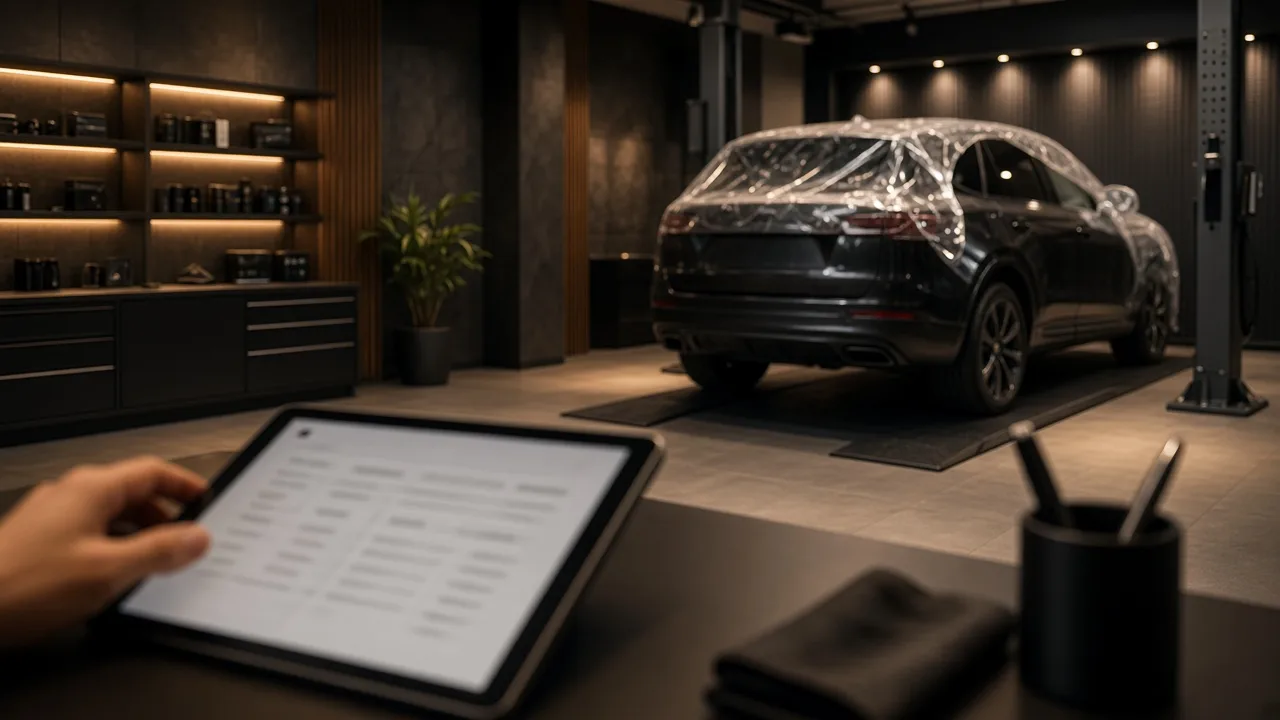
Interview installers who offer both services under one roof to avoid compatibility issues. Ask which coating lines they trust on their preferred film. When you want local options vetted for automotive work, find PPF installers on BizMox and filter for shops that also list ceramic services.
Real-world scenarios: which stack wins
Scenario one: you commute eighty miles daily on interstate with construction trucks ahead. Chips on the hood are inevitable without film—coating alone leaves you touching up paint every spring. Scenario two: you drive five thousand miles yearly, garage the car, and fight pollen and sprinkler spots. Coating delivers easier washes and strong UV defense without the expense of full-front urethane.
Scenario three: you own a black SUV in a sunny state and hate swirl marks from express washes. Full-front PPF with self-healing plus coating on remaining panels balances impact zones and cleaning speed. Scenario four: you lease a luxury sedan and face wear charges at turn-in. Documented front-end film often costs less than repainting a peppered hood before inspection.
Myths that steer buyers wrong
Myth: coating replaces film because it is “hard.” Reality: hardness at micron thickness does not stop kinetic impacts. Myth: film eliminates all washing effort. Reality: film still needs safe washes; it just forgives more abuse. Myth: you must pick one product worldwide on the car. Reality: mixed strategies are normal and recommended by many OEM-adjacent detail programs.
Ask each shop to explain compatibility if multiple vendors touch your vehicle. Some coatings bond poorly to certain film top coats if misapplied. Integrated providers reduce finger-pointing if something haze or beads oddly in the first month.
Schedule coating application after film cure windows close, and retest water behavior on film versus bare paint so you know each surface is healthy. Small differences in beading are normal when materials differ; sudden flat spots deserve a follow-up inspection.
Bottom line: Use paint protection film where physics hits your paint; use ceramic coating where chemistry and cleaning labor wear you down. Layer them when budget allows. The right stack keeps your car sharp under real roads—not just in brochure photos.
Frequently Asked Questions
Comments (0)
Leave a Comment
You need to be signed in to leave a comment.
Sign in to comment