What Is Paint Protection Film (PPF)? A Clear Guide
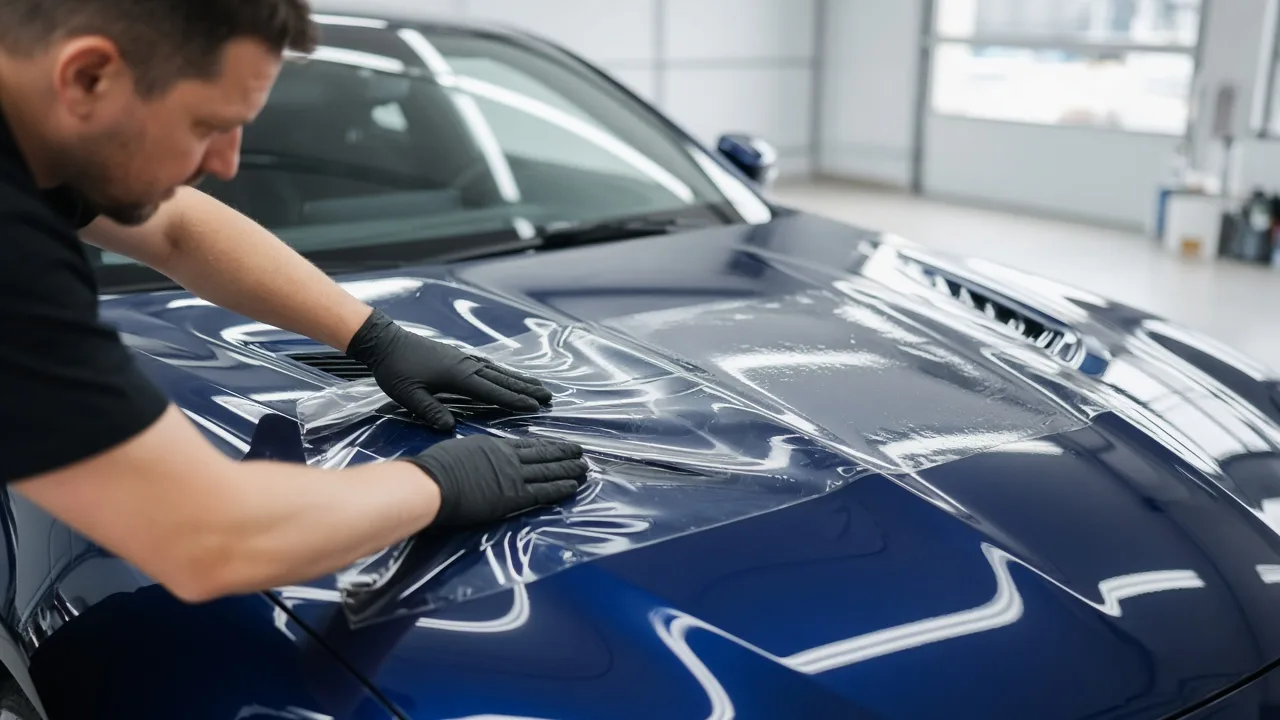
Paint protection film (PPF) is a clear urethane layer that shields your car from rock chips, scratches, and UV damage. Learn how it works, what it costs, and whether it fits your driving habits.
Paint protection film—often called a clear bra—is one of the most effective ways to keep factory paint looking new on a daily-driven vehicle. If you have ever winced at a highway rock chip or watched winter sand blast your hood, you already understand why drivers invest in PPF. This guide explains what the film is, how it performs in real-world conditions, and how to decide whether it belongs on your car.
What paint protection film actually is
Modern paint protection film is a multi-layer thermoplastic urethane, typically between six and eight mils thick once installed. The top coat is designed to resist staining from bug splatter, bird droppings, and road tar while staying flexible in heat and cold. Beneath that, adhesive layers bond to clear coat without yellowing when you choose a quality brand. Unlike old-generation films that turned amber over time, current products stay neutral on white, black, and metallic finishes when maintained properly.
Installers computer-cut patterns for hoods, bumpers, fenders, mirrors, and door cups, then hand-trim for a seamless fit. The result is a sacrificial barrier: the film takes the hit so your paint does not. That is the core value proposition—preserving resale appearance and reducing repaint costs on high-impact zones.
How PPF protects your vehicle day to day
Highway debris is the obvious enemy, but PPF also helps with parking-lot door dings on leading edges, brush scratches from automatic washes, and chemical etching from winter road spray. The film spreads impact energy across a wider area, which is why small stones often leave no mark on protected panels while unprotected paint chips instantly.
Many premium films include self-healing top coats that soften minor swirls when warmed by sun or hot water. That does not mean the film is scratch-proof—deep gouges still happen—but it keeps the surface looking uniform between details. Pair sensible wash technique with film-safe products and you avoid the haze that cheap maintenance can cause.
Where installers typically apply PPF
Partial front packages cover the hood (full or partial), fenders, bumper, mirrors, and sometimes headlamps or A-pillars. Full-front setups extend coverage to the entire hood and full bumper for owners who log serious miles. Track-day enthusiasts and luxury buyers often step up to full-body film for uniform gloss and maximum preservation.
Coverage choices should match how and where you drive. A commuter in a mild climate may be fine with a front-end kit, while a road-trip family or rural driver benefits from broader protection. Discuss edge wrapping and seam placement with your installer so water and dirt do not collect at lifted corners.
PPF compared to wax, sealants, and ceramic coating
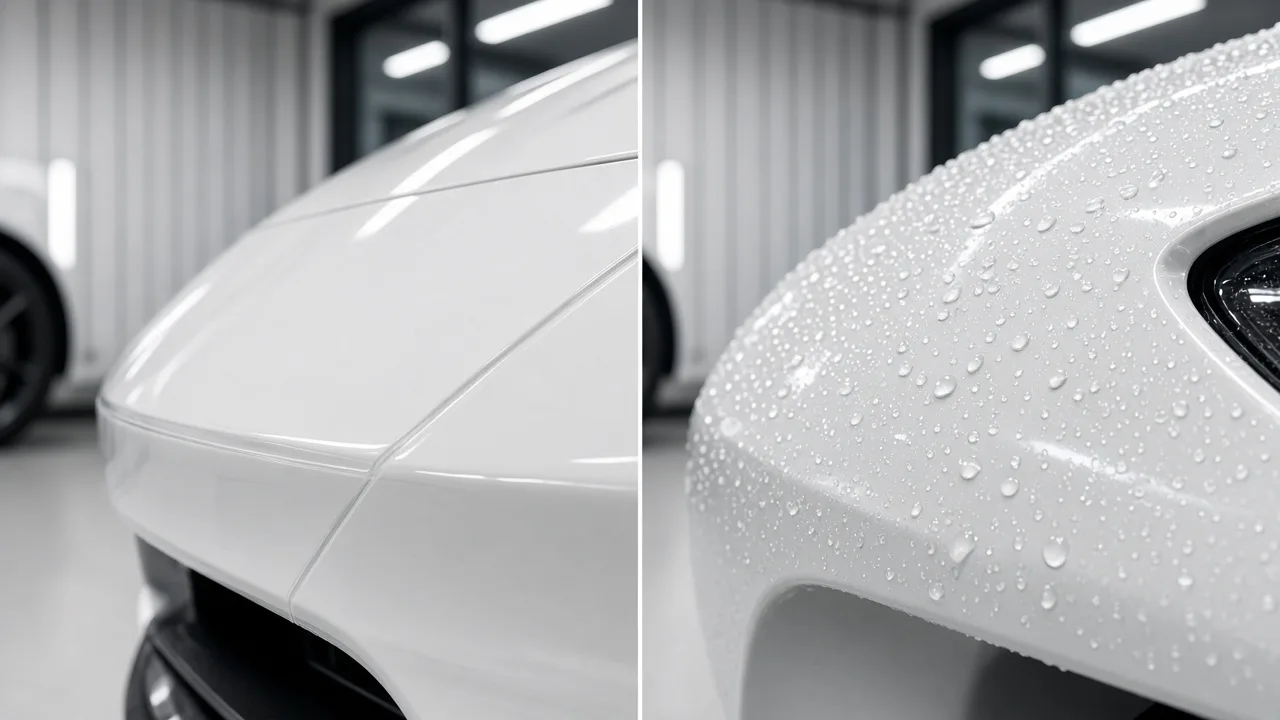
Waxes and sealants add slickness and short-term shine but do not stop rock chips. Ceramic coatings excel at chemical resistance and ease of cleaning, yet they are thin and brittle against physical impacts. PPF handles mechanical abuse; coating handles environmental grime. Many owners combine a full-front film with a ceramic top coat on film and exposed paint for the best of both worlds.
If your primary fear is paint damage from debris, film comes first. If you mainly want hydrophobic washing and gloss on a garage-kept car with low road risk, coating alone might suffice. Be honest about your parking situation, commute length, and how long you plan to keep the vehicle.
Choosing a film brand and installer
Brand names like XPEL, SunTek, STEK, and 3M represent decades of formulation work, but the installer’s skill often matters more than the logo on the box. Look for climate-controlled bays, dust management, and photos of finished edge work. Ask whether patterns are plotter-cut, how they handle complex curves, and what warranty is registered in your name.
Request a written scope: which panels, whether edges are wrapped, and expected cure time before washing or highway speeds. Reputable shops document pre-install paint correction because trapping defects under film is permanent until removal. When you are ready to compare local pros, you can find PPF installers on BizMox and read verified business listings in your area.
Cost, lifespan, and maintenance basics
Front-end packages commonly land in the low thousands of dollars depending on vehicle size, film tier, and paint correction needs. Full-body jobs scale with square footage and complexity of body lines. Budget for maintenance kits or detail visits that use film-safe shampoo—avoid aggressive clay on fresh installs unless your installer approves.
Expect eight to ten years of useful life from top-tier films when cared for, with manufacturer warranties against yellowing and cracking under normal use. Plan removal or replacement before adhesive fails at end of life. Treat PPF like an insurance policy on appearance: the premium buys peace of mind every time you merge onto a gravel-strewn on-ramp.
Common myths about paint protection film
Some owners assume PPF is only for exotics or that it automatically voids factory paint warranties—it does not when installed and removed correctly on OEM finishes. Others believe any detailer can install it; in reality, film certification and a controlled bay matter as much as product choice. Yellowing horror stories usually trace to obsolete film generations or years of neglected tree sap, not to every modern urethane on the market today.
PPF also will not make washing optional. Road film still builds on the surface; the difference is you are cleaning a replaceable layer instead of grinding contaminants into clear coat. Set expectations with your household so brushes, clay bars, and DIY correction attempts do not happen on fresh film without guidance.
Ready to protect your paint? Define your coverage goals, set a realistic budget, and book consultations with two or three installers. Bring questions about edges, warranties, and combined coating packages. The right film on the right panels keeps your car looking showroom-fresh for years—without hiding the color you chose in the first place.
Frequently Asked Questions
Comments (0)
Leave a Comment
You need to be signed in to leave a comment.
Sign in to comment