Self-Healing PPF Explained: How Micro-Scratches Disappear
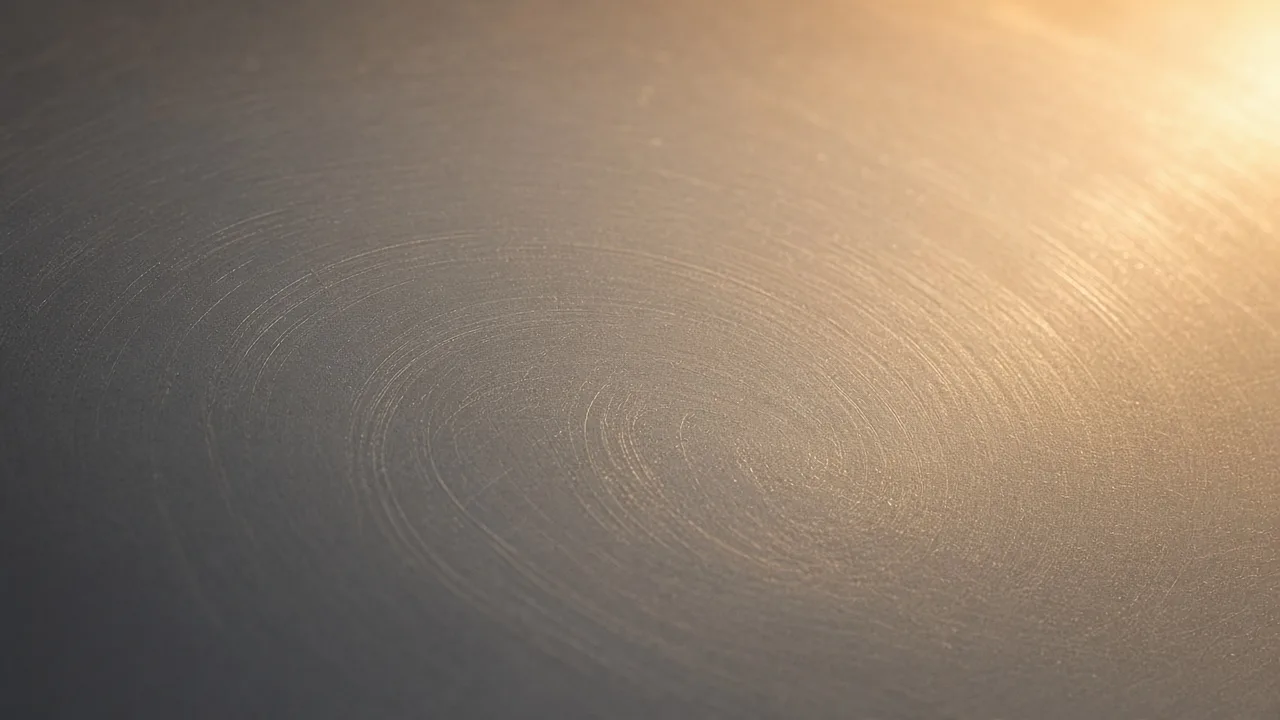
Self-healing PPF uses elastomeric top coats that relax light scratches with heat. Learn what actually heals, what does not, and how to care for film so the effect lasts.
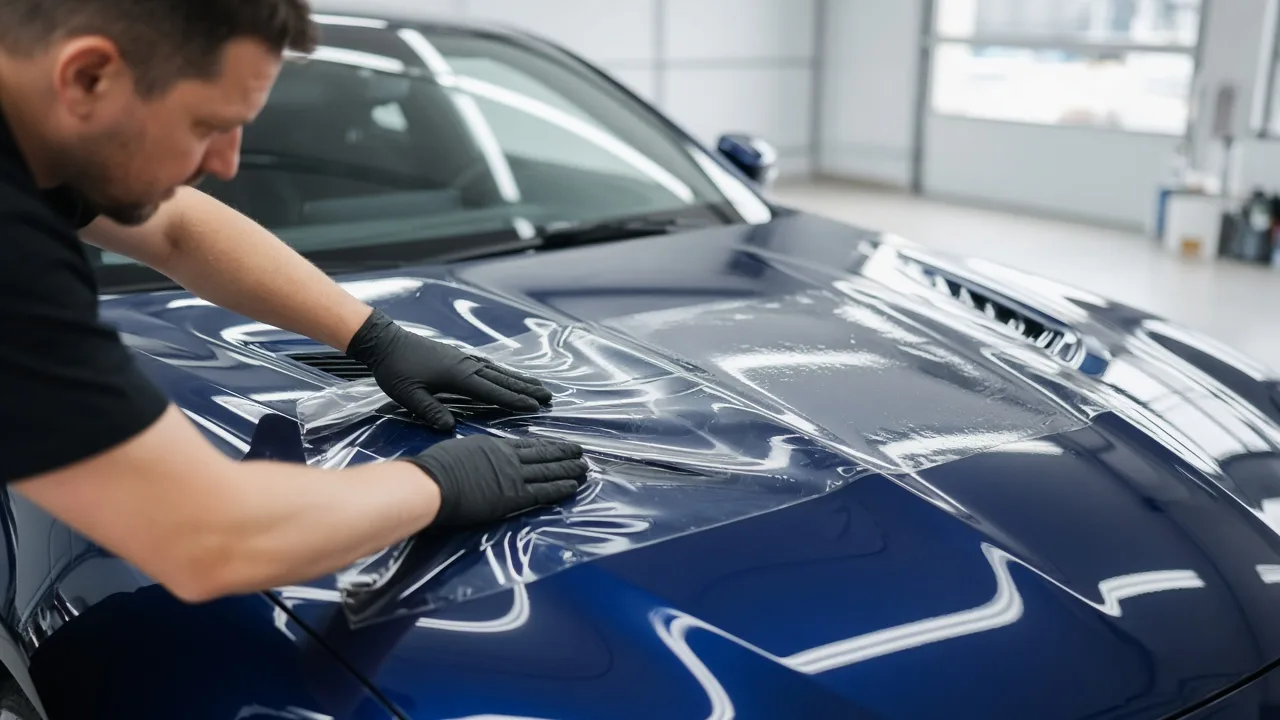
Self-healing paint protection film sounds like science fiction until you watch fine wash marks vanish after a sunny afternoon. The technology is real, but it is not magic. Understanding how self-healing PPF works—and where it stops—helps you set realistic expectations and choose film tiers worth the upgrade.
The chemistry behind self-healing top coats
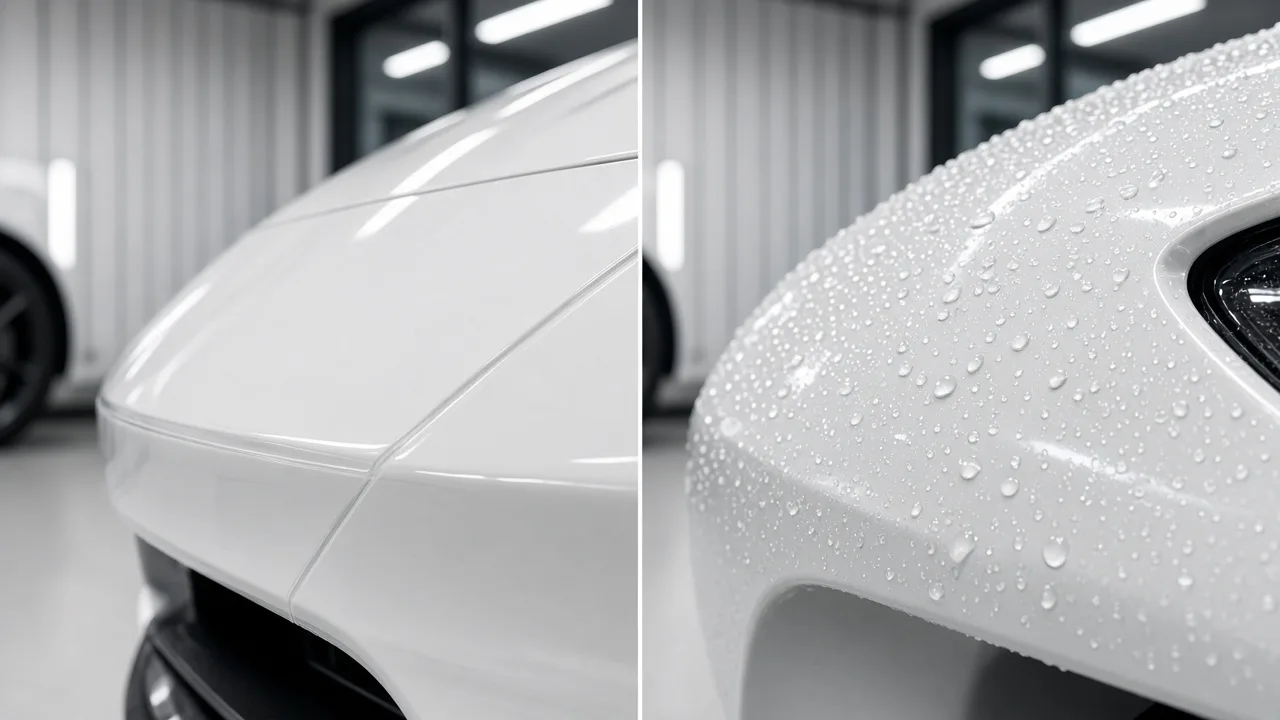
Premium PPF stacks multiple layers: adhesive, impact-absorbing urethane, and a clear elastomeric top coat engineered to flow at moderate temperatures. When something creates a shallow mark, polymer chains in that top layer migrate back toward equilibrium, reducing visible depth. Heat lowers viscosity enough to speed the process; that is why warm water or sunlight accelerates recovery.
This is distinct from scratch “removal” on paint, which often requires polishing away material. Self-healing film aims to keep the sacrificial layer intact while smoothing its surface. You preserve thickness for future impacts instead of abrading clear coat on bare paint every time swirls appear.
What kinds of damage actually heal
Light marring from improper wash media, dust wiping, or soft brush contact often heals within hours to days in warm conditions. Hairline trails from drying towels may disappear after a driveway bake. These are the daily nuisances owners notice on unprotected gloss—exactly what the feature targets.
Moderate scuffs that dent the top coat but do not slice through it may improve partially. Results vary by brand, age, and temperature. Document persistent marks with photos if you plan a warranty conversation; manufacturers distinguish normal wear from install defects or chemical damage.
What self-healing PPF cannot fix
Keys, shopping carts, and road debris that pierce the stack leave permanent scars until panel replacement. Stone chips may heal around the edges but not erase the impact crater. Chemical burns from strong solvents or prolonged acidic contamination can haze the top coat beyond self-healing capacity.
Do not expect healing to correct pre-install paint defects trapped under film. Swirls locked beneath the adhesive stay visible forever. That is why reputable shops insist on correction before wrapping—self-healing does not substitute for proper prep.
Heat, sun, and safe recovery methods
Parking outdoors in summer often supplies enough warmth for routine recovery. After washing, a warm water rinse on the film can encourage marks to fade faster. Installers occasionally use controlled heat guns during delivery demos; owners should avoid aggressive heat that could distort edges or stretch young adhesive.
Garage-kept cars in cool climates may heal slower. A few hours in indirect sun after a wash still helps. If marks persist, contact your installer before reaching for polish—many compounds are too abrasive for urethane top coats unless labeled film-safe.
Maintenance habits that preserve healing performance
Use two-bucket wash methods, plush mitts, and pH-neutral shampoo. Automatic brushes with stiff fingers create deeper scratches self-healing cannot erase. Rinse thoroughly before contact washing to limit grit drag. Apply film-safe detail sprays rather than waxes containing solvents incompatible with top coats.
Annual inspections catch lifting edges or contamination buildup that mimic scratch haze. Combine professional maintenance with sensible parking—healing fixes light wear, not negligence. Treat the film as a precision surface, not armor against deliberate abuse.
Choosing self-healing film tiers wisely
Flagship lines from major brands market self-healing as a headline feature, but read spec sheets for the exact product code on your estimate. Compare warranty language on staining, yellowing, and top-coat performance. Paying more for healing makes sense on dark gloss and high-touch areas like door cups and fenders.
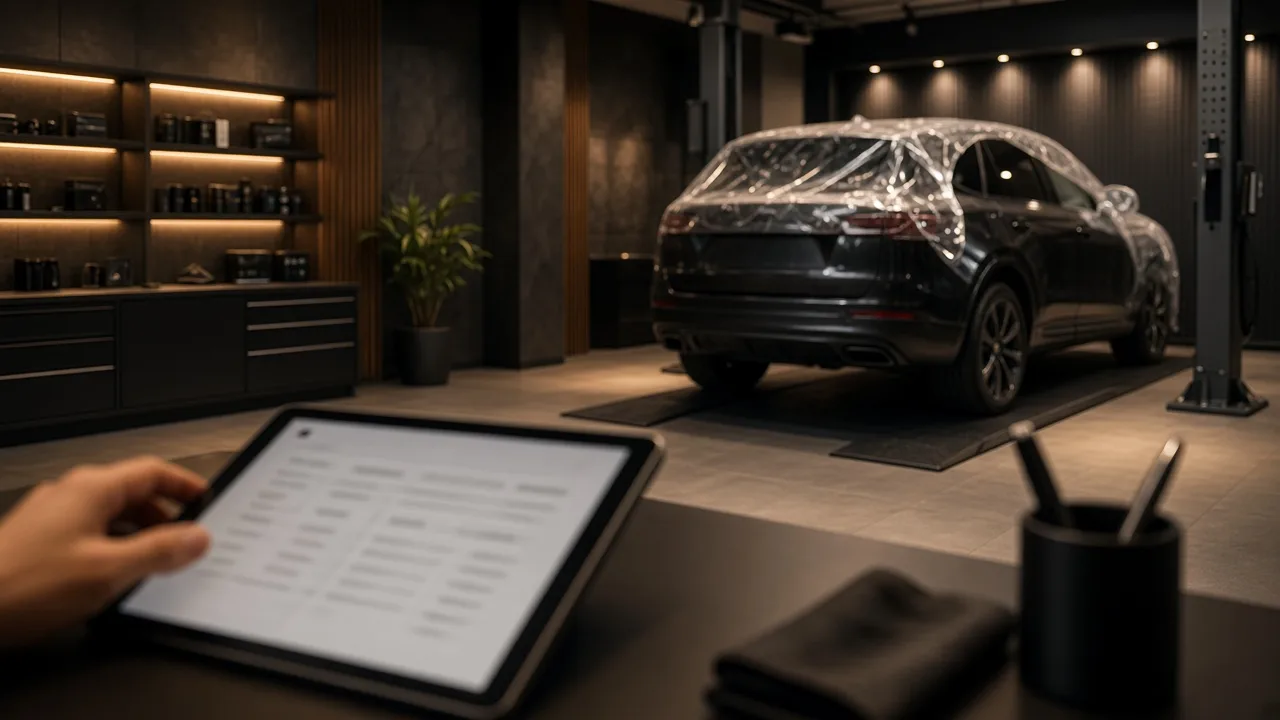
Pair self-healing PPF with professional installation so edges stay flat and healing is not fighting lift points. When comparing shops, find PPF installers on BizMox and ask which self-healing SKUs they stock versus entry alternatives.
Testing healing on delivery day
Reputable installers sometimes demonstrate healing with warm water on light marring created during final squeegee passes—watch whether marks fade within minutes, not days. If your climate is cool, ask how long normal recovery should take before assuming a defect. Document baseline photos under LED and natural light so you can compare month six versus day one.
Avoid DIY experiments with heat guns or torches; uneven heating warps edges and voids warranties. Sun and warm rinses remain the owner-safe tools for encouraging recovery between professional checkups.
When to escalate to warranty or rework
Persistent haze in one zone may indicate contamination under film rather than a healing issue—requires panel redo, not more heat. Clouding across the entire hood after chemical exposure may fall outside warranty if improper cleaners were used. Read stain and chemical exclusion language before blaming the top coat.
Keep maintenance receipts and product labels if you plan a claim. Manufacturers distinguish install defects, owner neglect, and normal wear. Your shop is often the first call—they can identify adhesive problems versus top-coat marring quickly.
If you garage in winter, expect slower healing than sun-belt owners see—that is normal, not a defect. Combine sensible wash technique with occasional warm rinses and your self-healing top coat will handle the micro-marring that otherwise dulls unprotected gloss between details.
Think of self-healing as maintenance forgiveness, not impact immunity—the urethane underneath still earns its keep when gravel hits at seventy miles per hour.
When comparing quotes, ask whether the quoted SKU includes a self-healing top coat or whether the shop is offering an entry film—healing behavior is not universal across every roll a brand sells.
Final thought: Self-healing PPF keeps daily-driven cars looking fresher between details, but it partners with—not replaces—smart washing and impact coverage choices. Buy the right tier, prep the paint, and let heat do the easy work on micro-scratches while the urethane underneath stops the chips that matter most.
Frequently Asked Questions
Comments (0)
Leave a Comment
You need to be signed in to leave a comment.
Sign in to comment