How Much Does PPF Cost in 2026? Packages Explained
PPF pricing in 2026 depends on coverage, film tier, and paint correction. See typical ranges for partial front, full front, and full body—and what line items belong on your quote.
Paint protection film quotes can swing by thousands of dollars for the same vehicle—and that confusion frustrates buyers who just want fair coverage. In 2026, pricing still follows a few predictable rules: square footage, film tier, prep work, and installer reputation. This guide unpacks common packages and the line items that belong on a transparent estimate.
Baseline price drivers every shop uses
Material cost scales with coverage. Hood, bumper, fenders, mirrors, and door cups form the usual partial-front footprint; adding full hood, full bumper, and A-pillars jumps you into full-front territory. Exotics with complex curves, splitters, and sensor cutouts consume extra labor even when surface area looks similar to a family SUV.
Film tier matters. Entry urethane may carry shorter warranties and less self-healing capability. Flagship lines from major brands command premium material prices but include registered owner warranties and better clarity over years. Always ask which SKU you are buying—not just the brand name on the poster.
Partial front vs full front: typical 2026 ranges
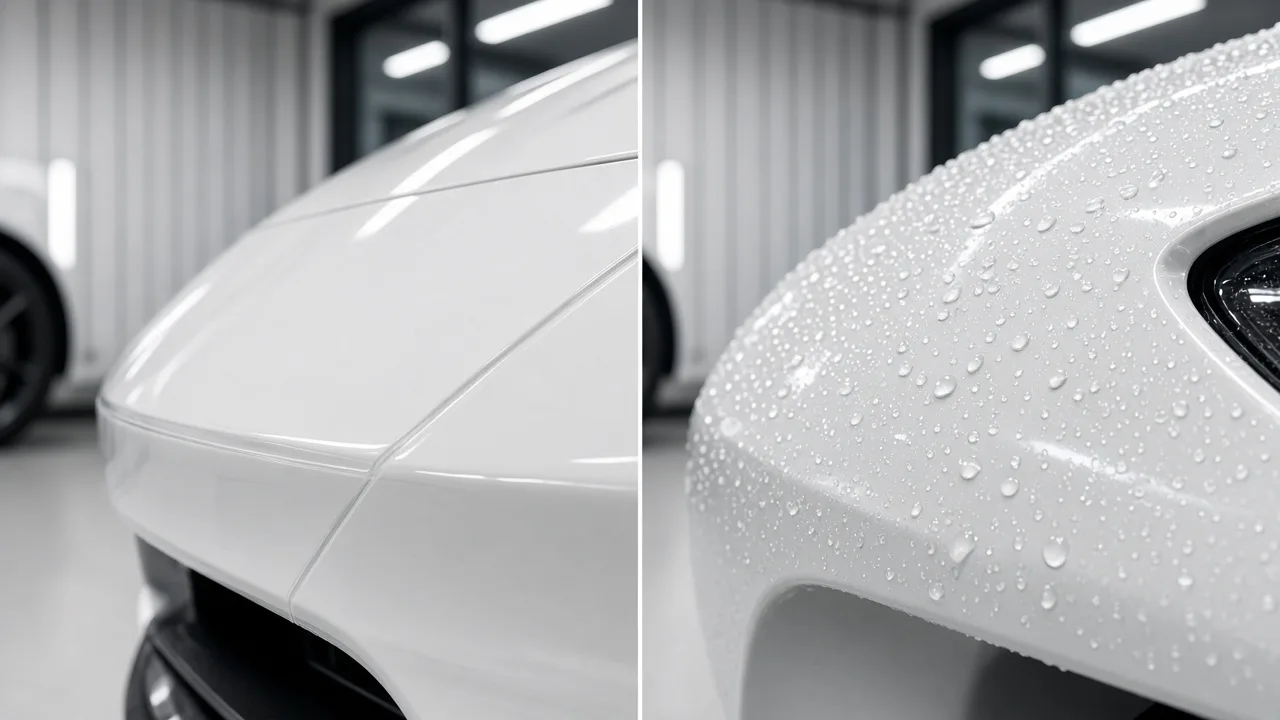
Partial-front packages—often called bumper and partial hood kits—target budget-conscious owners who still want chip protection on the nose. Expect roughly twelve hundred to twenty-five hundred dollars on many mainstream vehicles in 2026, assuming minimal correction. Coverage gaps leave visible seams on the hood centerline; understand that tradeoff before signing.
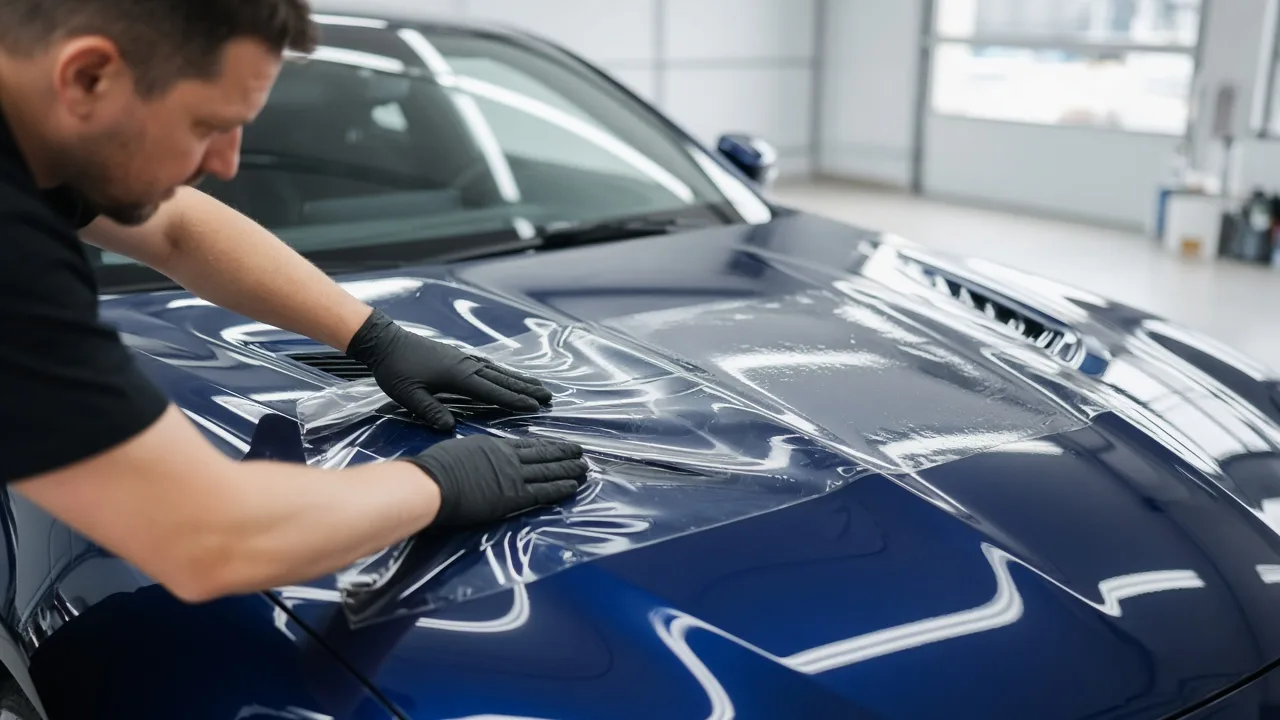
Full-front installs wrap the entire hood, full bumper, fenders, mirrors, and sometimes headlamps or rocker leading edges. Quotes commonly land between two thousand and four thousand five hundred dollars for midsize cars and crossovers. Trucks with tall hoods and large bumpers sit at the upper end. Edge-wrapped panels add labor but reduce dirt intrusion at seams.
Full-body and specialty film pricing
Full-body PPF on a sedan or SUV frequently starts around six thousand dollars and can exceed twelve thousand for large luxury models, color PPF, or matte stealth finishes. Installers may spend multiple days managing door jambs, handles, and badge areas. Stealth or satin films cost more per roll and demand precise alignment because texture shows overlap errors.
Track packages sometimes add fender flares, rocker panels, and rear impact zones à la carte. Build a panel list from your actual pain points—commute gravel, kid bike pedals, camping brush—instead of defaulting to marketing bundle names that do not match your life.
Paint correction, removal, and add-ons
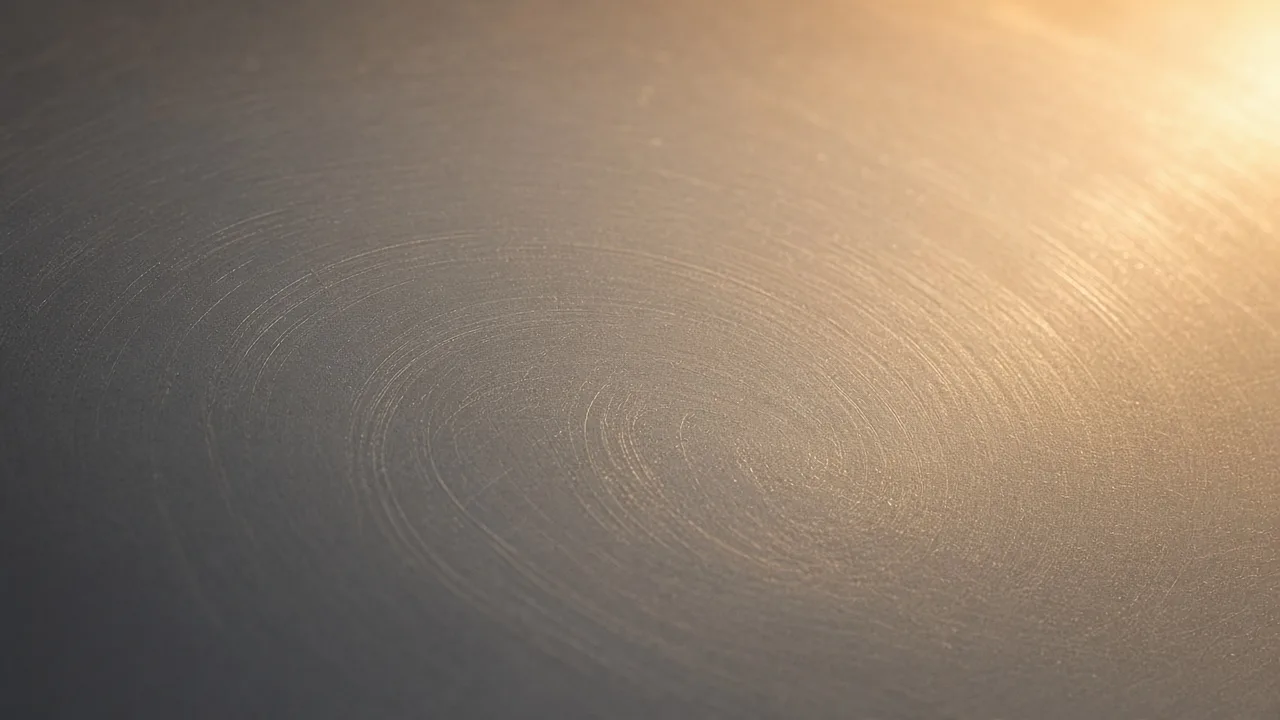
Film magnifies swirl marks trapped underneath. Shops charge one-step or multi-step correction before install, priced hourly or by stage. Budget zero to eight hundred dollars for light correction on newer cars; neglected finishes can run higher than the film itself. Ask for a pre-install inspection under inspection lighting.
Removing old yellowed film before a fresh install adds labor and adhesive cleanup time. Ceramic coating toppers, headlamp film, and interior screen protectors belong on a separate line so you see true PPF cost. Tax, shop fees, and warranty registration should appear upfront—not on pickup day.
How to compare quotes fairly
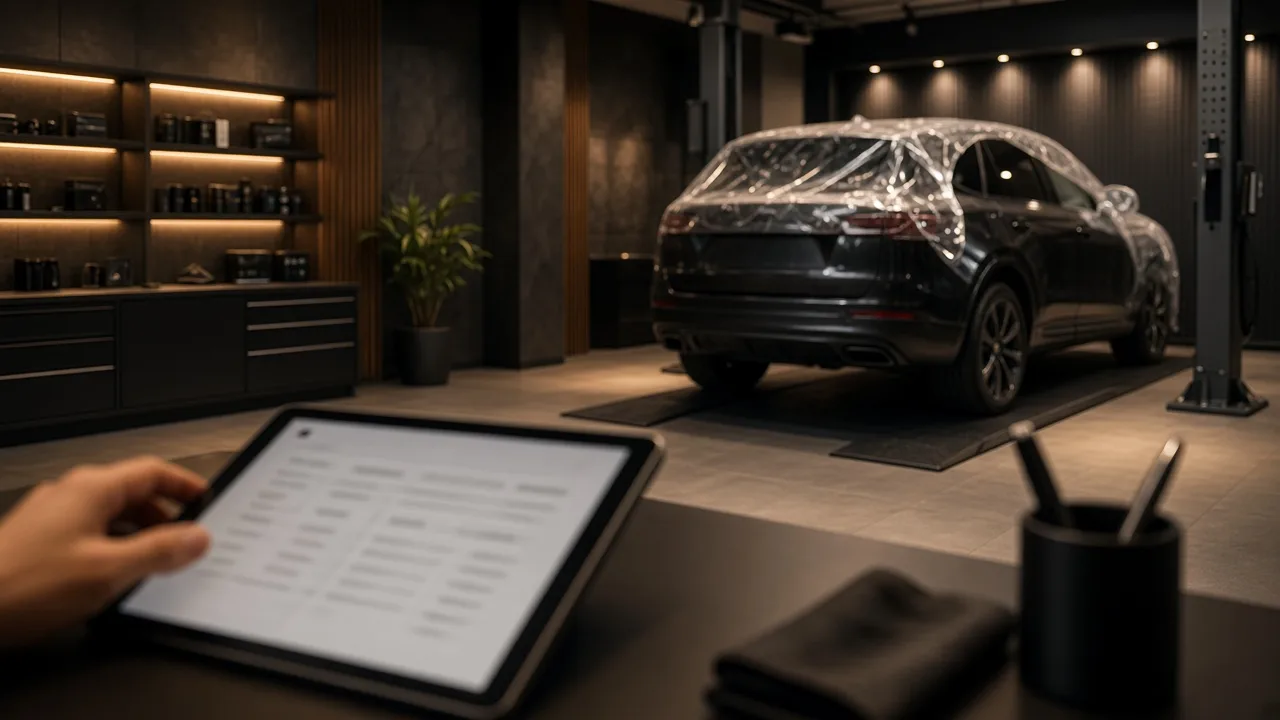
Request written scopes: brand and product line, each panel, edge wrap yes or no, correction stage, and warranty registration steps. Two quotes five hundred dollars apart may differ in hood coverage from eighteen inches to full hood—an enormous functional gap. Photograph sample installs at the shop and ask how they handle sensors and ADAS calibration disclaimers.
Timing affects pricing too. Seasonal promotions exist, but rushed winter installs in unheated bays can compromise adhesion. Pay for controlled environments when possible. Financing plans spread cost but do not change coverage—never downgrade panels to fit a monthly payment if chips will still hit exposed paint.
Getting value without overbuying
Match package size to miles and environment. Garaged weekend cars may need only a reinforced front. Daily highway drivers should prioritize full hood and full bumper at minimum. Lease-end perfectionists calculate PPF cost against disposition fees for paint chips—sometimes film pays for itself at return time.
When you are ready to collect real numbers, find PPF installers on BizMox near you and schedule two or three consultations. Bring this checklist, compare scopes, and choose the shop that explains tradeoffs honestly—not the one that only pushes the biggest package.
Regional and seasonal pricing notes
Urban markets with higher rent and labor rates sit above rural averages even when film material costs are similar. Winter bookings in salt-belt states spike before road treatment season; summer waits extend in sun-belt metros where heat makes outdoor installs risky. Shipping delays on premium rolls occasionally push shops toward alternate SKUs—confirm substitutions before work starts.
Tax, environmental fees, and shop supplies lines are legitimate; vague “misc” charges are not. Ask whether headlamp, mirror, and door cup pieces are priced à la carte or bundled so you can trim scope without surprises at pickup.
Financing, insurance, and resale math
Some detailers partner with financing platforms for four-figure packages; interest adds total cost but spreads payments across ownership. Standard auto insurance rarely covers optional film unless tied to a covered repair—do not assume comprehensive claims replace PPF after parking-lot damage.
Private-sale buyers increasingly ask about chip history; invoices for quality film support higher asking prices on enthusiast models. Run a simple break-even: compare quoted PPF cost against two to three repainted panels plus downtime. Numbers often favor film when you keep cars beyond three years.
Save digital copies of quotes even if you delay booking—panel lists help you compare the same scope months later when prices shift with supply costs.
Take action: List your high-risk panels, set a coverage-first budget, and insist on itemized quotes. Understanding PPF cost in 2026 means knowing what you are buying panel by panel—not guessing from a single headline price.
Frequently Asked Questions
Comments (0)
Leave a Comment
You need to be signed in to leave a comment.
Sign in to comment