Common PPF Myths Debunked: Yellowing, Bubbles & More
Yellowing, bubbles, and orange peel myths scare buyers away from paint protection film. Here is what modern PPF actually does—and what still depends on install quality.
Forum threads still repeat 2010-era horror stories about yellow bras and cloudy hoods. Modern paint protection film is a different material stack—but myths persist and steer owners toward bare paint or all-ceramic shortcuts that cannot stop rock chips. Let us separate fact from fear.
Myth: all PPF yellows within a few years
Yellowing was real when PVC-heavy products dominated. Today's urethane films with UV inhibitors and hydrophobic clear coats hold clarity far longer, especially on major brands with lab testing. Yellowing now often traces to cheap imports, improper chemicals, or smoking exhaust tar—not inevitable aging. Warranty terms explicitly cover yellowing when caused by film failure.
Myth: bubbles mean a bad install every time
Adhesive is water-based during install; micro-bubbles can appear and fade during the cure window your shop defines. Problems arise when contaminants create permanent inclusions or when installers skip proper squeegee technique. Document day-one issues and compare against the written cure guide before assuming failure.
Myth: PPF is always visible at the hood line
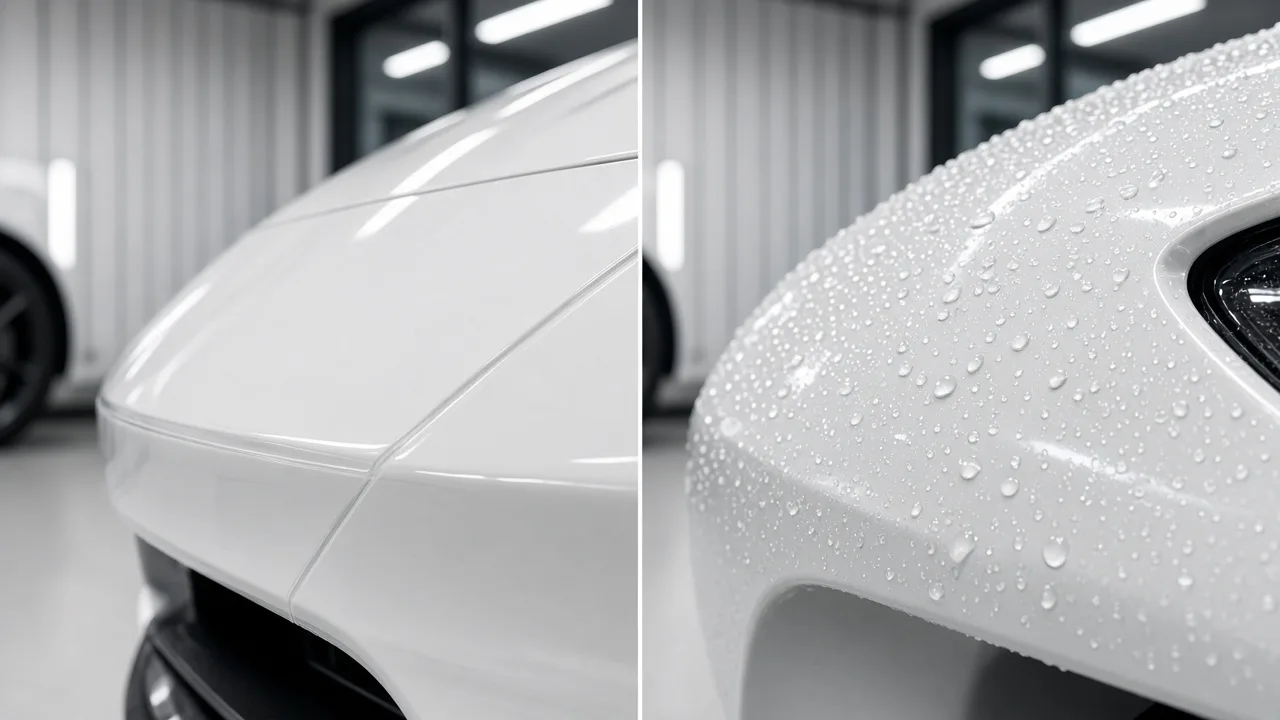
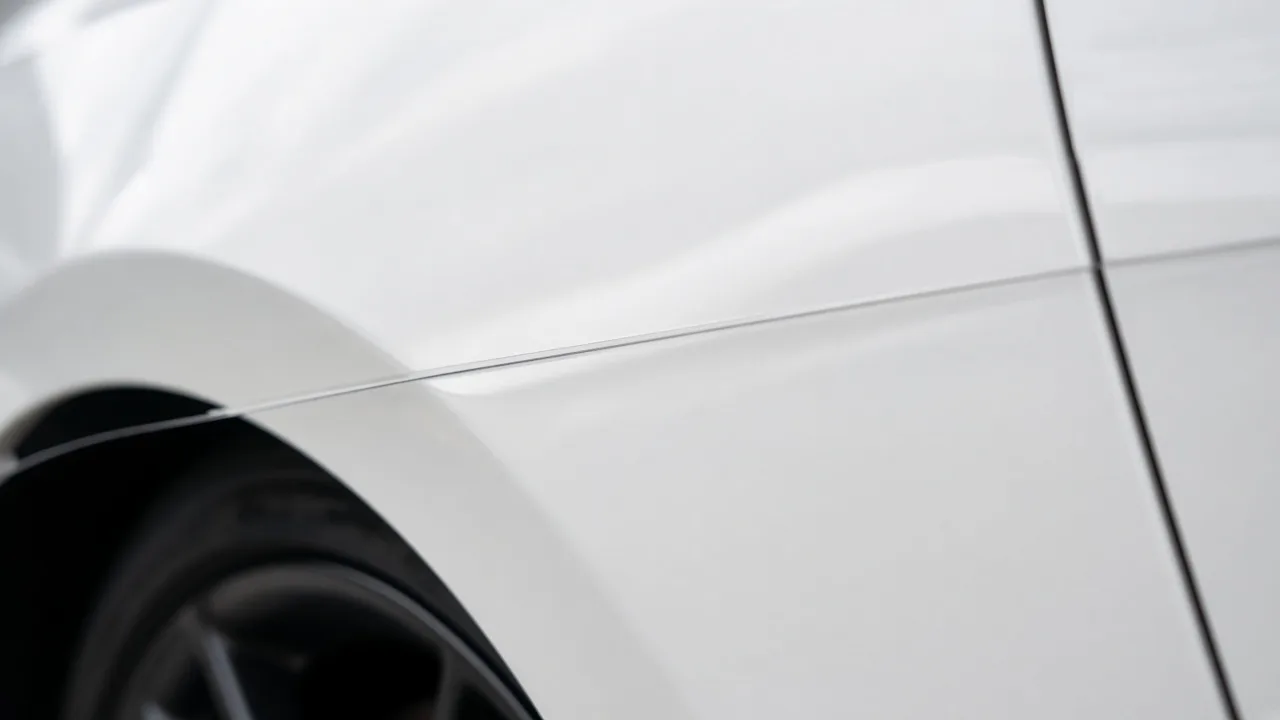
Old partial bras ended mid-hood with obvious seams. Full hood patterns, wrapped edges, and improved optical clarity make leading edges hard to spot on many colors. Dark cars show more lint and edges under certain light—maintenance and install skill still matter—but the blanket "you will see it" claim is outdated.
Myth: ceramic coating replaces paint protection film
Ceramic improves chemical resistance and cleaning; it does not absorb gravel impacts. Comparing shine alone misses the physics. Many informed owners stack ceramic atop film on impact zones rather than choosing one mythologized miracle product.
Myth: DIY kits equal professional results
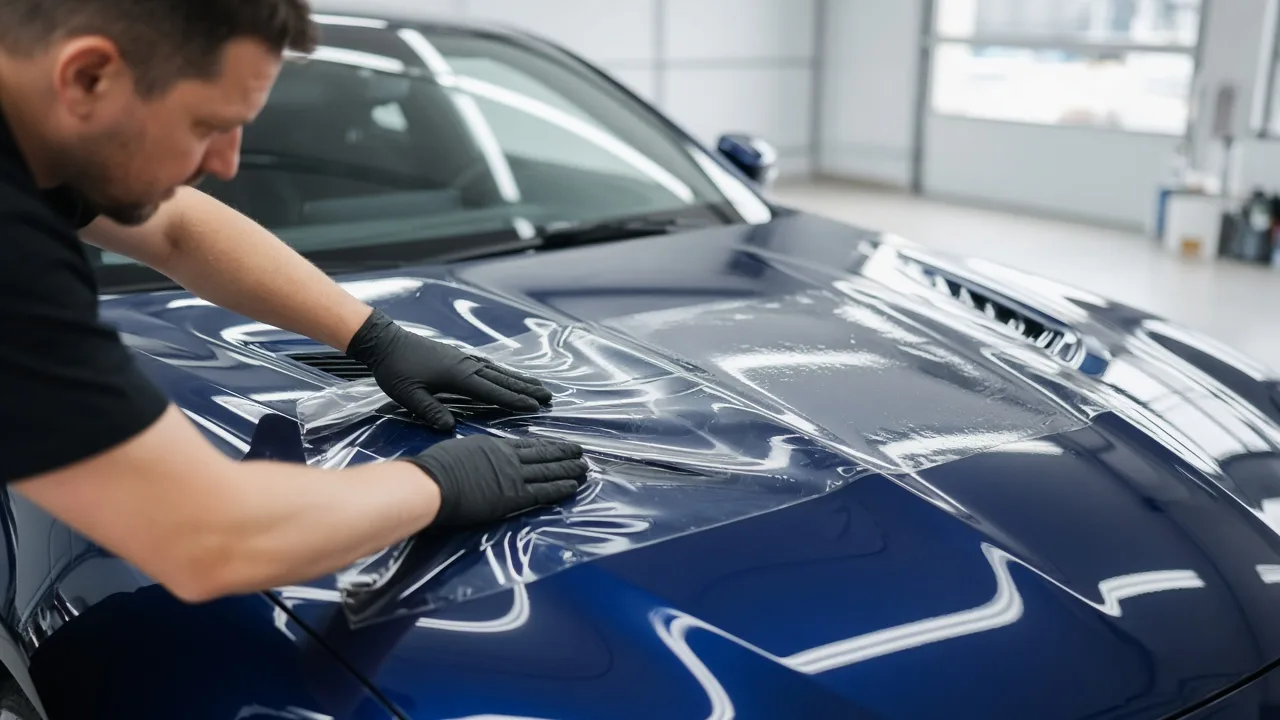
Consumer kits skip plotter accuracy, controlled environments, and experience on compound curves. DIY may work on flat phone screens—not on bumpers with sensors, grill angles, and paint you care about. Savings upfront often become removal and repaint costs.
Myth: PPF ruins paint when removed
Proper removal on healthy clear coat generally preserves factory finish. Paint damage stories usually involve aged clear coat, improper technique, or film left decades. Treat film like a service item with a lifespan, not a permanent tattoo.
Want facts from reputable local pros? Find PPF installers on BizMox who install name-brand film and register warranties—not mystery rolls from auction sites.
Frequently Asked Questions
Comments (0)
Leave a Comment
You need to be signed in to leave a comment.
Sign in to comment