How Long Does PPF Last? Lifespan, Warranty & Reality
Quality PPF often lasts eight to ten years with proper care, but climate, washing habits, and film tier matter. Learn warranty terms, replacement signs, and how to maximize lifespan.
Paint protection film is sold as a long-term shield, but “how long does PPF last?” does not have a single number for every car. Warranty sheets say eight or ten years; your garage habits, climate, and film tier decide whether you reach that mark looking clear—or tired. This guide connects manufacturer promises to what owners actually see in year five and beyond.
Manufacturer warranties vs real-world lifespan
Major brands register warranties against yellowing, cracking, peeling, and staining under normal use. Those terms assume proper install, registered ownership, and maintenance that avoids harsh chemicals. Warranties are not lifetime guarantees—they define when the company will help replace defective film, not when your car automatically needs a strip-and-redo.
In practice, many well-maintained installs still look good at eight years on garaged vehicles in moderate climates. Daily drivers in extreme sun, salty winters, or constant highway abuse may seek refresh sooner on high-impact panels even if rear sections look fine.
Signs your PPF is aging normally
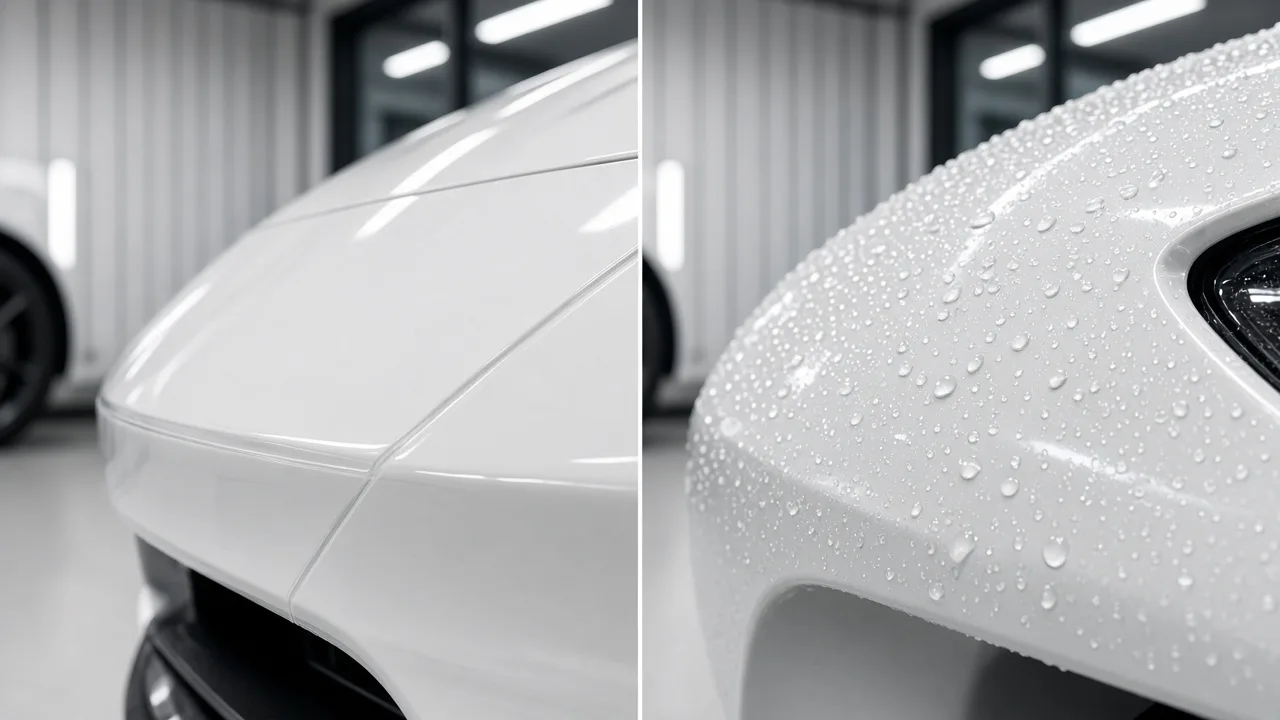
Light surface marring that heals with warmth indicates a living top coat still doing its job. Minor edge wear at door jambs or mirror corners can appear after years of flexing—watch for dirt lines that cleaning no longer removes. Slight gloss difference versus bare paint may emerge if only front panels were wrapped.
These cosmetic issues do not always mean failure. They signal it is time for detailing assessment: can film-safe polishing refresh appearance, or are panels due for partial replacement?
Red flags that suggest replacement time
Yellowing or milkiness across large areas, especially on white cars, often triggers warranty review if within term. Widespread peeling at edges, adhesive failure bubbles that never flatten, and brittle film that cracks around badges mean the stack has exceeded useful life.
Deep staining from prolonged bird droppings or industrial fallout can haze urethane permanently. If contamination sits under lifted edges, moisture wicking accelerates separation. Do not delay removal once lift spreads—water behind film complicates paint safety.
Climate, storage, and washing impact
UV exposure breaks down polymers over time even with UV inhibitors. Cars parked outdoors in Arizona or Florida year-round age faster than garaged Midwest commuters. Road salt and magnesium chloride attack edges where film ends; rinse undersides and leading panels in winter.
Automatic brush washes scuff top coats and catch edges, shortening visual life. Film-safe hand washing preserves clarity and healing behavior. Tree sap and bug guts left for weeks stain film just like clear coat—clean promptly.
Removal, refresh, and partial replacement strategies
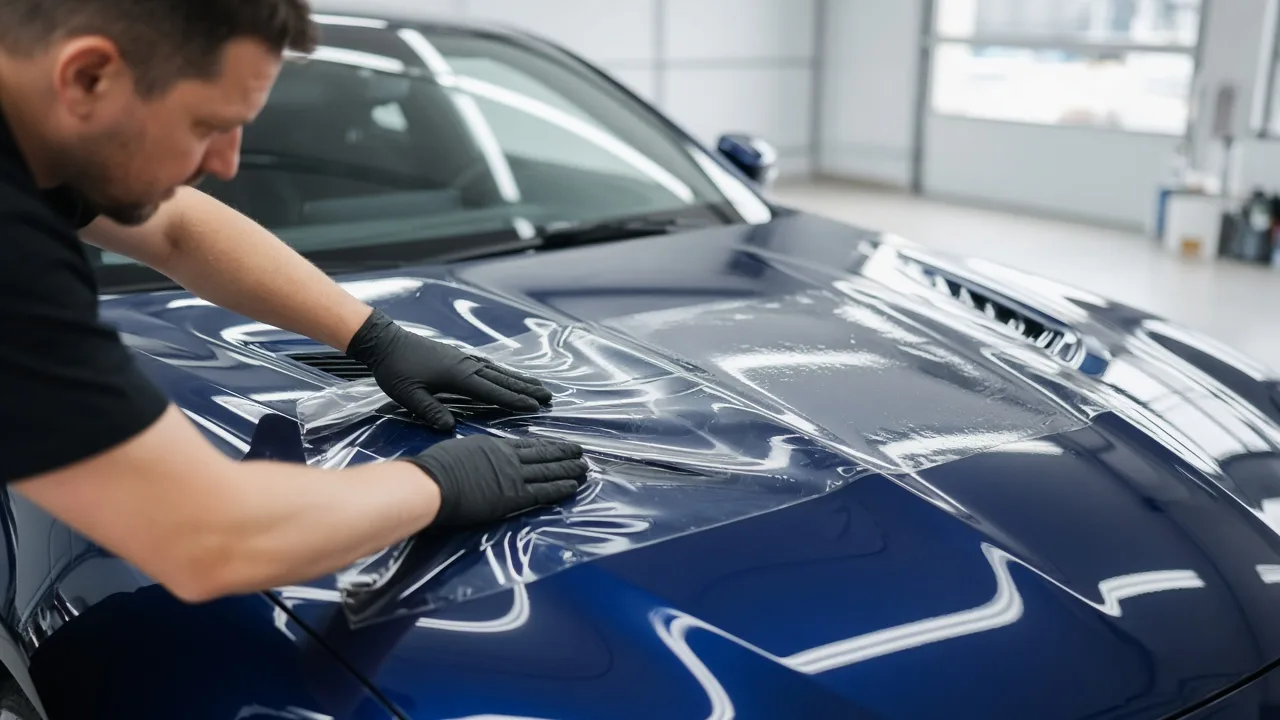
Professional removal uses heat and controlled pull angles to release adhesive without tearing paint. Plan removal around the eight- to ten-year horizon rather than waiting for catastrophic peel. Partial replacement of hood and bumper while retaining sound door panels is common when only front zones show wear.
Refreshing full-body installs on collector cars may happen sooner for aesthetic uniformity even if film still functions. Budget replacement like tires—not a one-time forever upgrade. Document new warranty registration after each install cycle.
Maximizing years from your investment
Choose premium film with registered warranty, competent install, and optional ceramic topper for easier cleaning. Inspect edges annually, avoid harsh solvents, and fix lift promptly. Track install date in your maintenance log so year seven does not surprise you.
When lifespan questions arise, consult the shop that installed your film or compare specialists via find PPF installers on BizMox for inspection and replacement quotes.
Tracking age across partial and full installs
Owners who expand coverage in stages may juggle multiple install dates on one vehicle. Log each panel’s film generation in your maintenance file so replacement planning stays clear. Mixing five-year-old hood film with new door panels can look acceptable or mismatched depending on sun exposure—outdoor front rows age faster than garaged sides.
When selling, buyers appreciate honesty about film age and warranty transfer steps. Proactive partial refresh before listing often costs less than negotiating paint credits off your asking price.
Professional inspection checklist
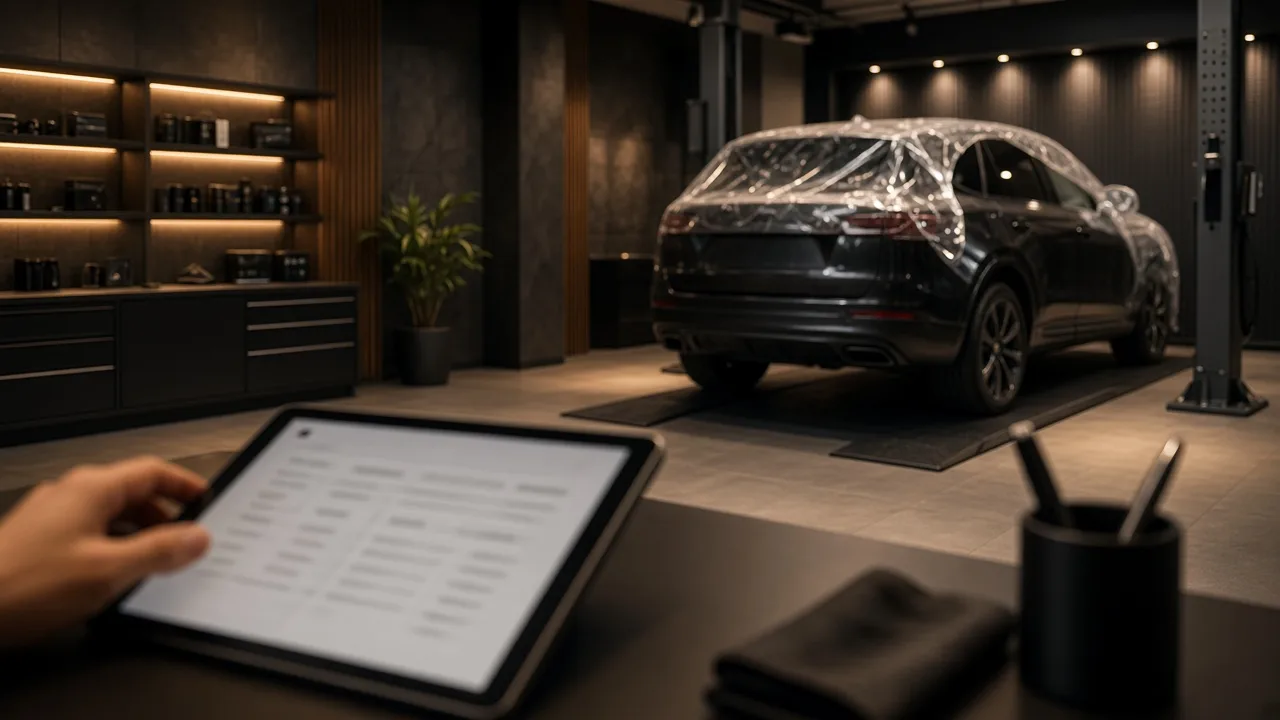
Annual visits should examine mirror cups, hood leading edges, and bumper lower lips where pressure washers attack. Techs probe for adhesive hardening, staining that no longer lifts with wash, and micro-lift at sensors. Small edge re-seals extend useful life when caught early; delayed visits turn lift into full panel redo.
Ask whether inspection fees apply toward replacement labor if work is booked within thirty days—many loyal customers receive courtesy checks that protect long-term relationships.
Set a calendar reminder at year five to walk the car with your installer—even if film looks fine—to discuss remaining warranty term and whether proactive hood replacement makes sense before adhesive ages on your busiest panels.
Film that still looks acceptable at year nine on a garaged car may still deserve replacement if adhesive tests show hardening—planning removal on your schedule beats emergency strip jobs the week before you sell or trade.
Store warranty PDFs and install invoices with your registration paperwork so future you—or the next owner—knows exactly when panels were wrapped and what coverage remains.
Reality check: Quality PPF lasts long enough to pay back in avoided chips and repaints, but not indefinitely. Treat eight to ten years as a planning horizon—maintain well, monitor edges, and schedule proactive replacement so your paint never pays the price for expired film.
Frequently Asked Questions
Comments (0)
Leave a Comment
You need to be signed in to leave a comment.
Sign in to comment