PPF Edges & Pattern Quality: Why Cut Files Matter
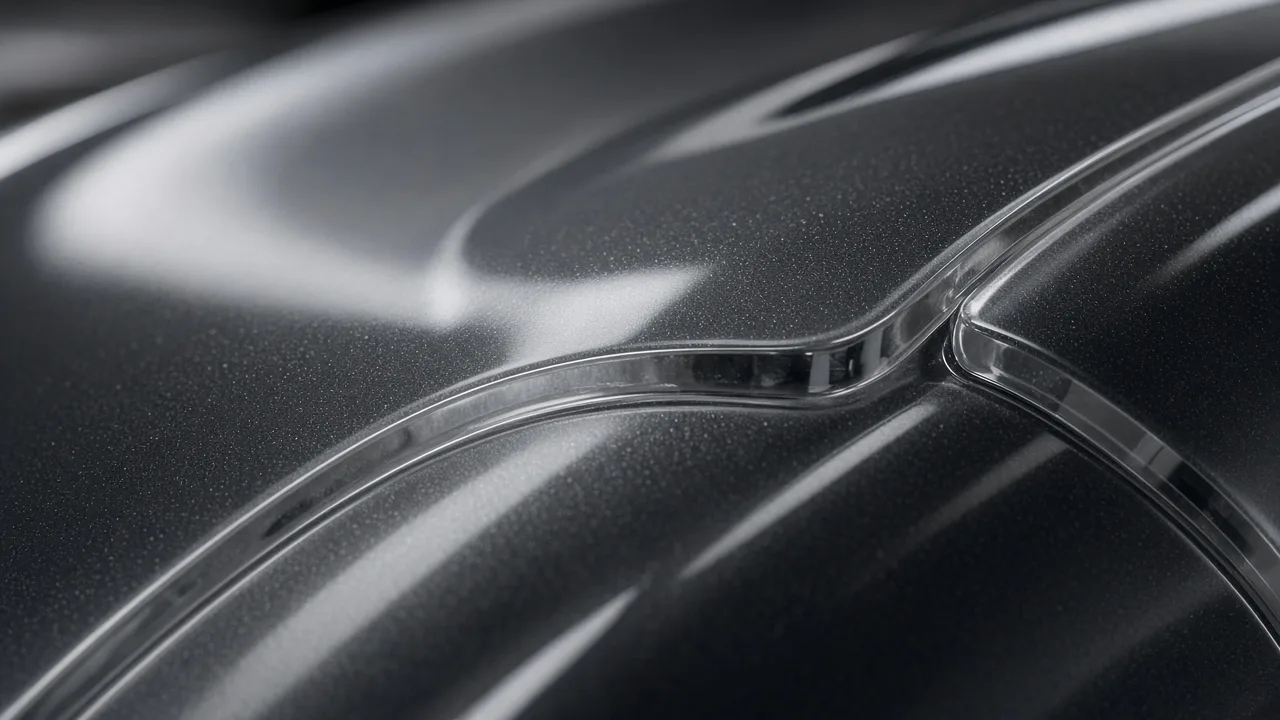
Invisible PPF depends on plotter cut files, wrapped edges, and clean squeegee work. Learn what separates elite paint protection film installer work from visible seams.
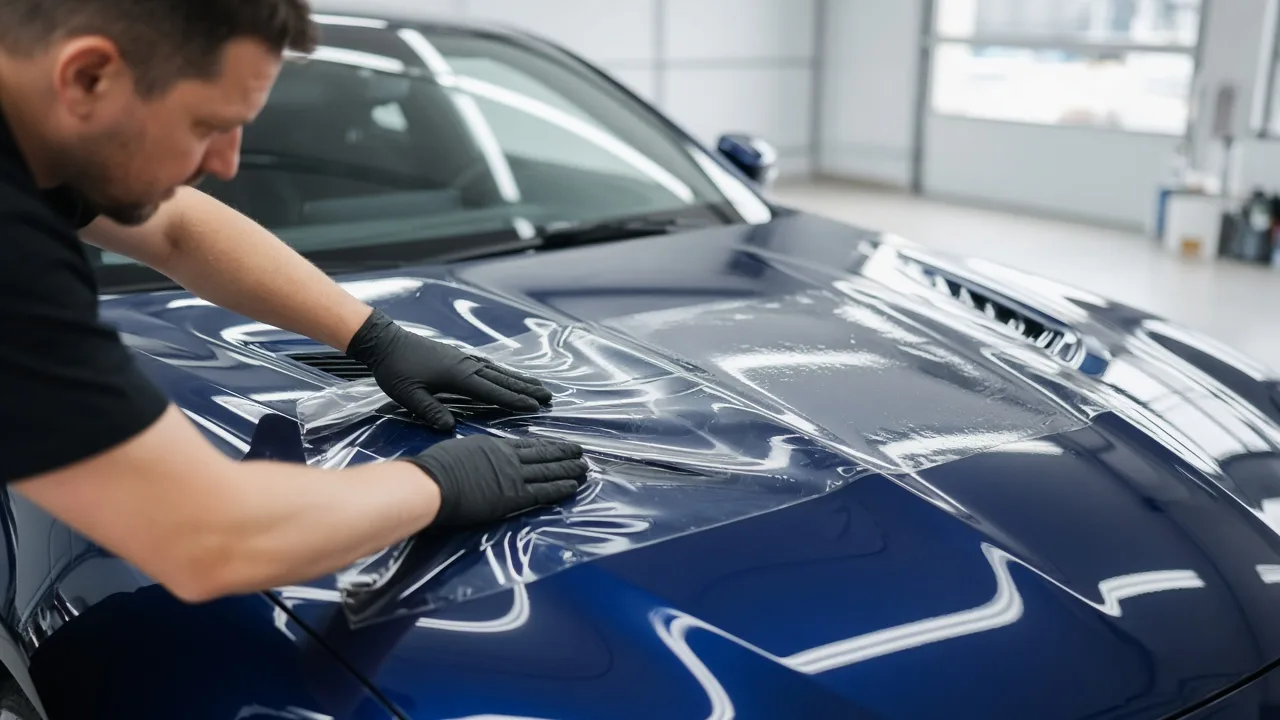
Two installs can use the same film brand yet look worlds apart. The difference is often PPF edges and pattern quality—how digital cut files, plotters, and installer technique align before adhesive ever touches your clear coat. A skilled paint protection film installer treats patterns like tailoring, not guesswork.
From bulk templates to VIN-specific libraries
Early clear bras were hand-cut on the car. Modern shops pull patterns from manufacturer-linked databases with updates for facelifts, sensors, and aero trims. Accurate cut files reduce stretch on complex curves, limit knife work on paint, and preserve OEM gaps around badges and cameras. Outdated libraries show up as misaligned fog-light holes or short hood coverage.
Plotter workflow and material efficiency
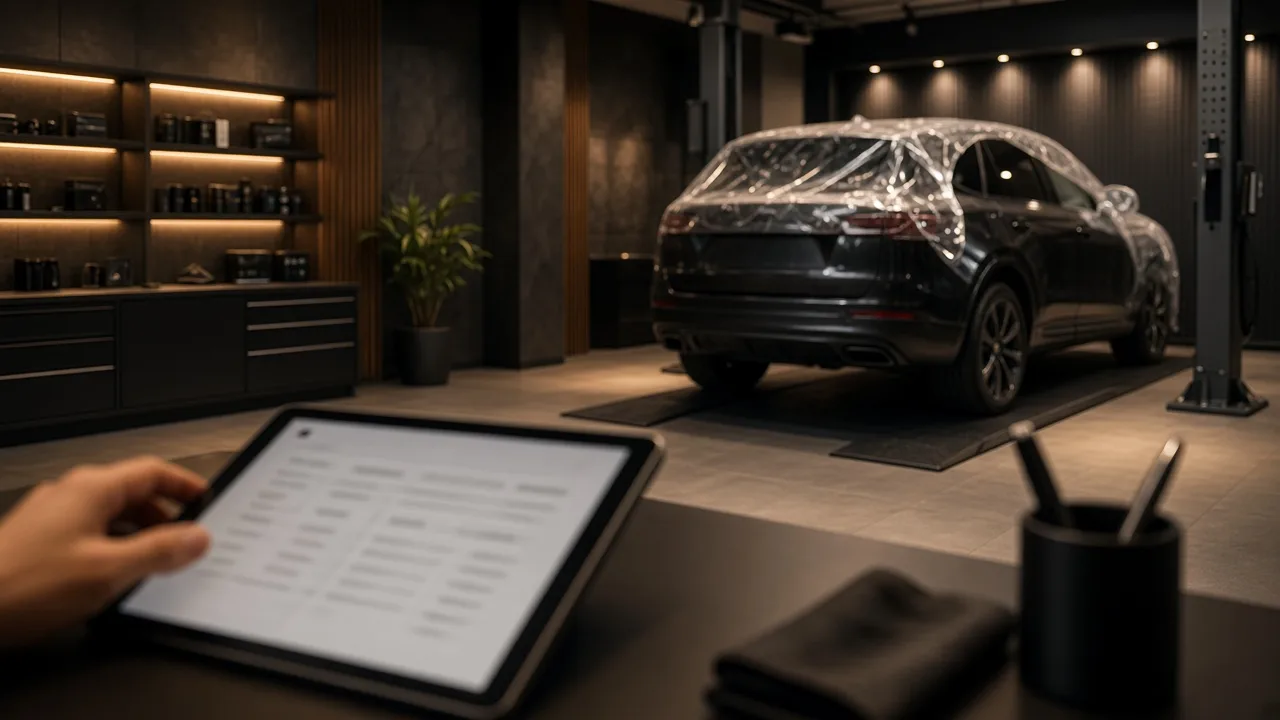
Film rolls feed plotters that kiss-cut urethane with precision blades. Technicians weed excess, apply slip solution, and position panels with alignment marks. Nested patterns minimize waste while keeping grain direction consistent—important for optical clarity on dark cars. Recuts happen in software, not by scraping your bumper with a blade.
Edge wrapping vs exposed termination
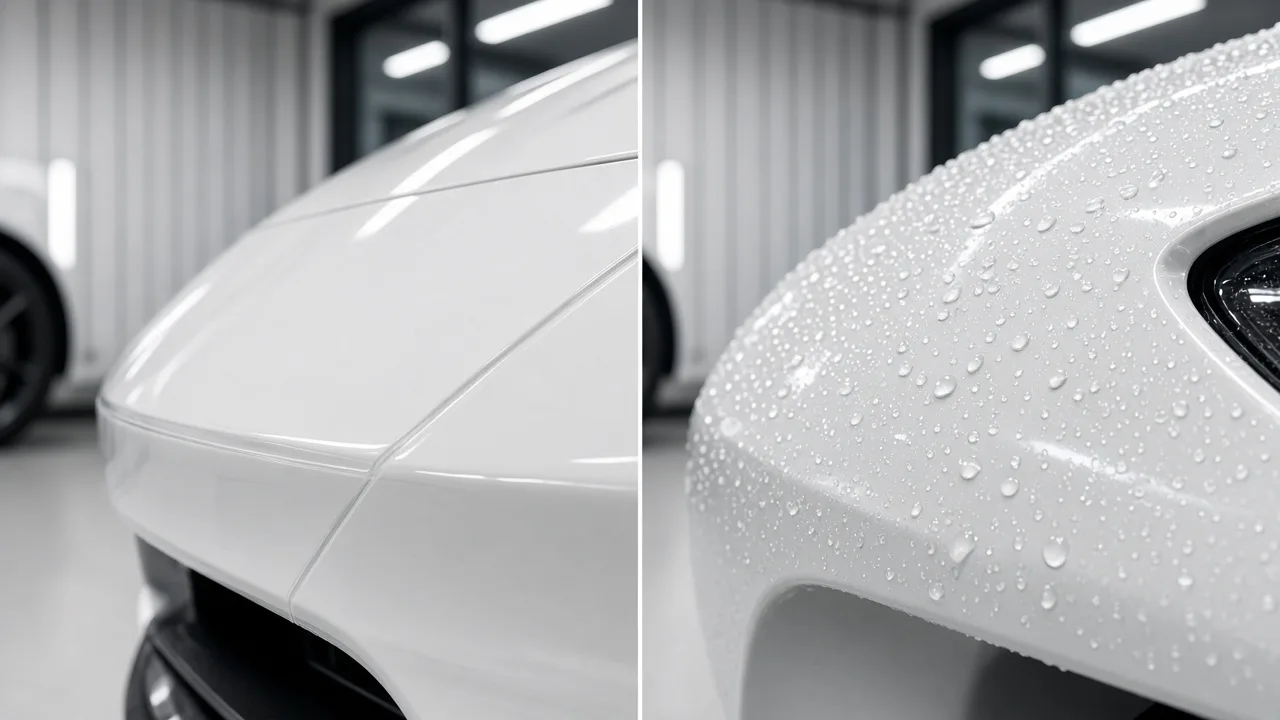
- Wrapped edges tuck behind hood lips, door jambs, and mirror caps when geometry allows.
- Exposed edges may need paint-safe sealants on panels that cannot tuck.
- Headlamps and complex grilles mix both strategies—experience matters.
Ask your shop which edges on your vehicle will be wrapped before install day.
Stretch, heat, and distortion control
Even perfect patterns need controlled heat and tension. Over-stretching thins film and creates silvering or orange peel under sun. Elite installers use heat guns sparingly, anchor points, and relief cuts only where patterns authorize them—not arbitrary slices on your paint.
Inspection checklist for owners
Walk the car under bright LEDs and outdoor shade. Look for lifted corners, dust inclusions, and seam alignment at hood centerlines. Feel edges with a clean finger—sharp lips may catch wash mitts later. Document concerns before driving away so workmanship warranties apply.
Why pattern quality affects long-term warranty
Manufacturer warranties cover film defects; shops cover workmanship. Poor edges that lift from stretch or contamination fail in real-world washes—not in marketing photos. Choosing an installer obsessed with cut file hygiene protects both appearance and claim eligibility.
Compare shops that invest in plotting tech: find PPF installers on BizMox and ask to see edge close-ups on cars like yours.
Frequently Asked Questions
Comments (0)
Leave a Comment
You need to be signed in to leave a comment.
Sign in to comment