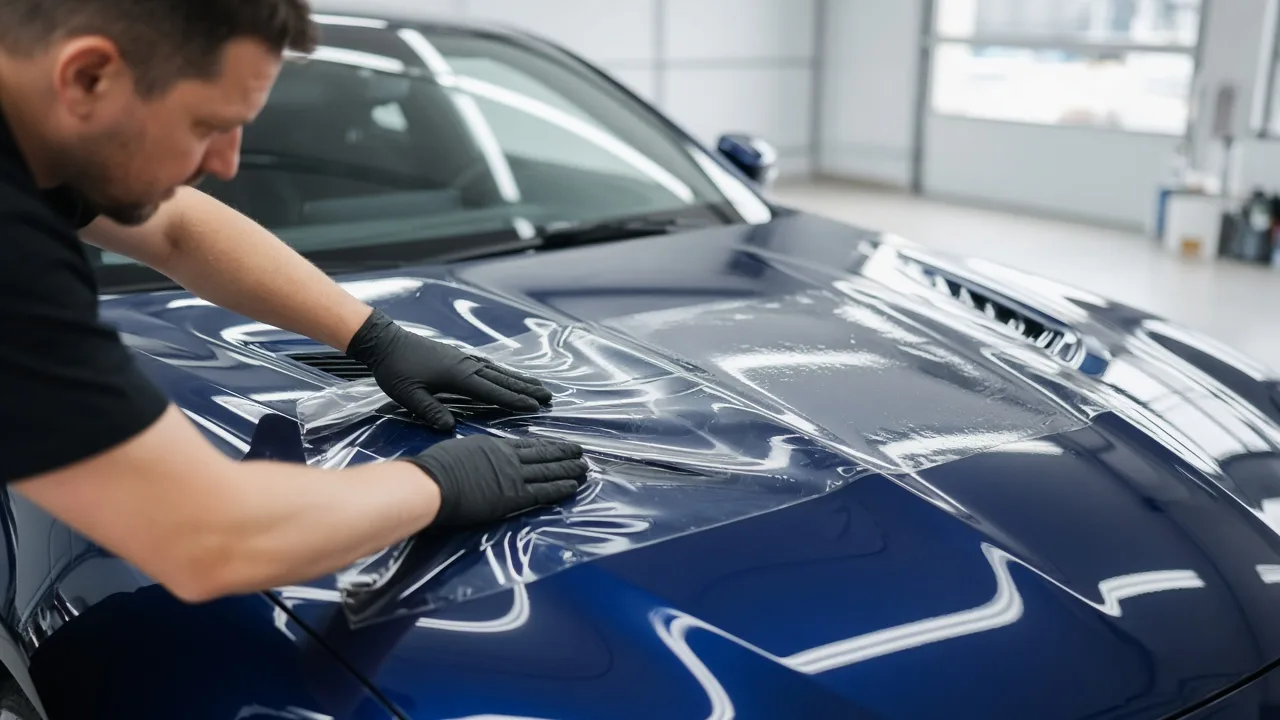
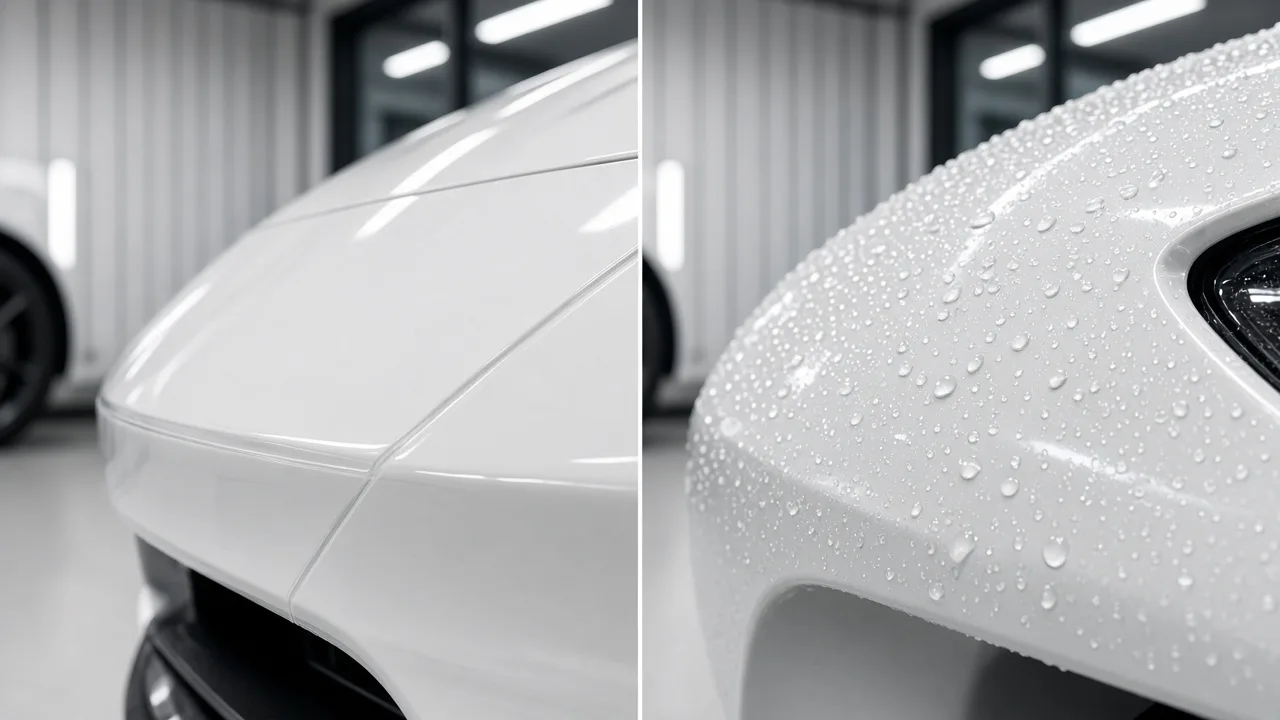
PPF Maintenance Wash Guide: Keep Film Looking Invisible
Proper PPF maintenance keeps self-healing film clear, hydrophobic, and edge-safe for years. Follow this wash guide, cure-time rules, and product picks detailers trust.
Paint protection film only looks invisible when you treat it with the same care you would give factory clear coat—sometimes more. Smart PPF maintenance prevents edge lift, water spots, and premature dulling so your investment keeps defending paint instead of advertising that something is on the car.
The first week after install: cure time rules
Adhesive needs time to wet out fully. Avoid heavy rain exposure, high-pressure wands pointed at edges, and rolling windows on freshly filmed pillars until your installer clears you. Skip wax, ceramic toppers, and aggressive decontamination during the initial cure. If you see tiny moisture bubbles under the film, many disappear as the film breathes—photograph and ask your shop before picking at edges.
Safe wash method: two buckets and gentle pressure
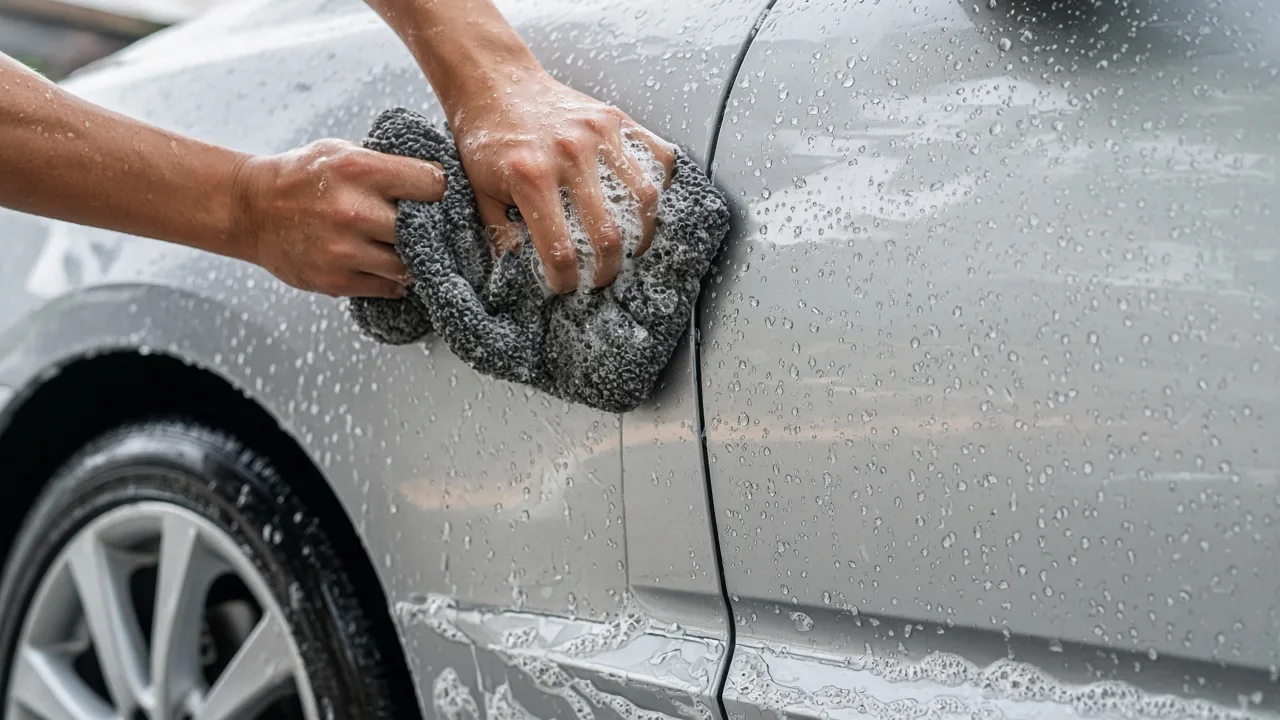
Hand washing remains the gold standard for PPF maintenance. Use grit guards, pH-neutral shampoo, and a soft mitt. Rinse thoroughly before contact washing to float away grit. Keep pressure washers at a safe distance and angle away from film edges, especially on hoods and bumpers. Dry with clean microfibers or air when possible to avoid marring the self-healing top coat.
Products and tools to avoid
- Friction automatic brushes and stiff bristle brushes.
- Petroleum-based spray waxes not rated for urethane film.
- Strong solvents, acetone, or undiluted APC on edges.
- Aggressive clay bars on matte or satin PPF without guidance.
When in doubt, choose formulas marketed for wrapped or filmed vehicles.
Dealing with bugs, bird droppings, and road film
Organic contamination is acidic; remove it within days, not weeks. Pre-rinse, apply film-safe bug remover, and wipe lightly. For winter road film, extra rinsing beats harsh chemicals. Hydrophobic top coats help release dirt—if beading fades after a year or two, a film-safe detail spray can restore slickness without building haze.
Self-healing scratches and when to call the shop
Light swirls in the elastomeric top coat often vanish with warm sun or warm water. Deeper gouges that reach the adhesive layer need professional assessment. Edge lifting, yellowing in a single panel, or sudden haze may indicate contamination during install or chemical attack—document with photos and contact your installer while warranty coverage may still apply.
Seasonal checklist for long-term clarity
Spring: decontaminate gently after winter salt. Summer: rinse bug splatter after road trips. Fall: inspect edges before leaves trap moisture. Winter: avoid ice scrapers on filmed glass adjacent panels; use foam pre-wash to limit salt abrasion. An annual detail inspection keeps PPF maintenance proactive instead of reactive.
Need a shop that stands behind aftercare? Find PPF installers on BizMox and choose businesses that explain wash rules in writing.
Frequently Asked Questions
Comments (0)
Leave a Comment
You need to be signed in to leave a comment.
Sign in to comment