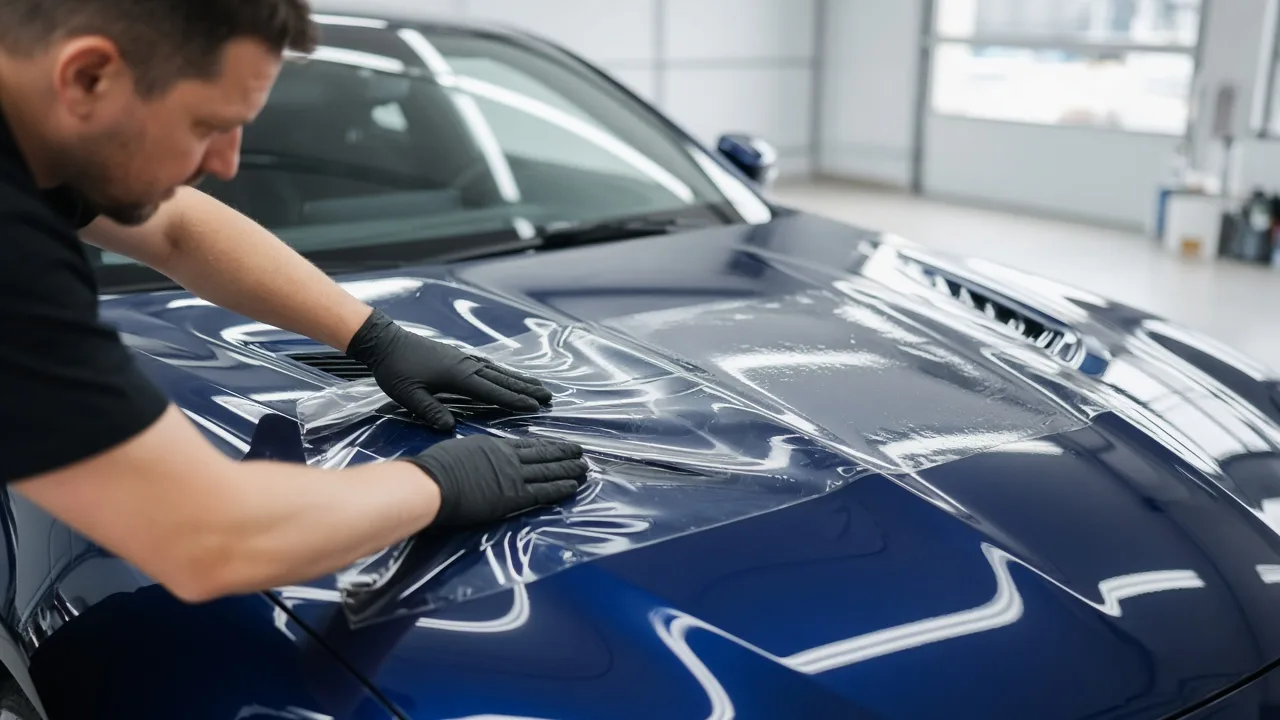
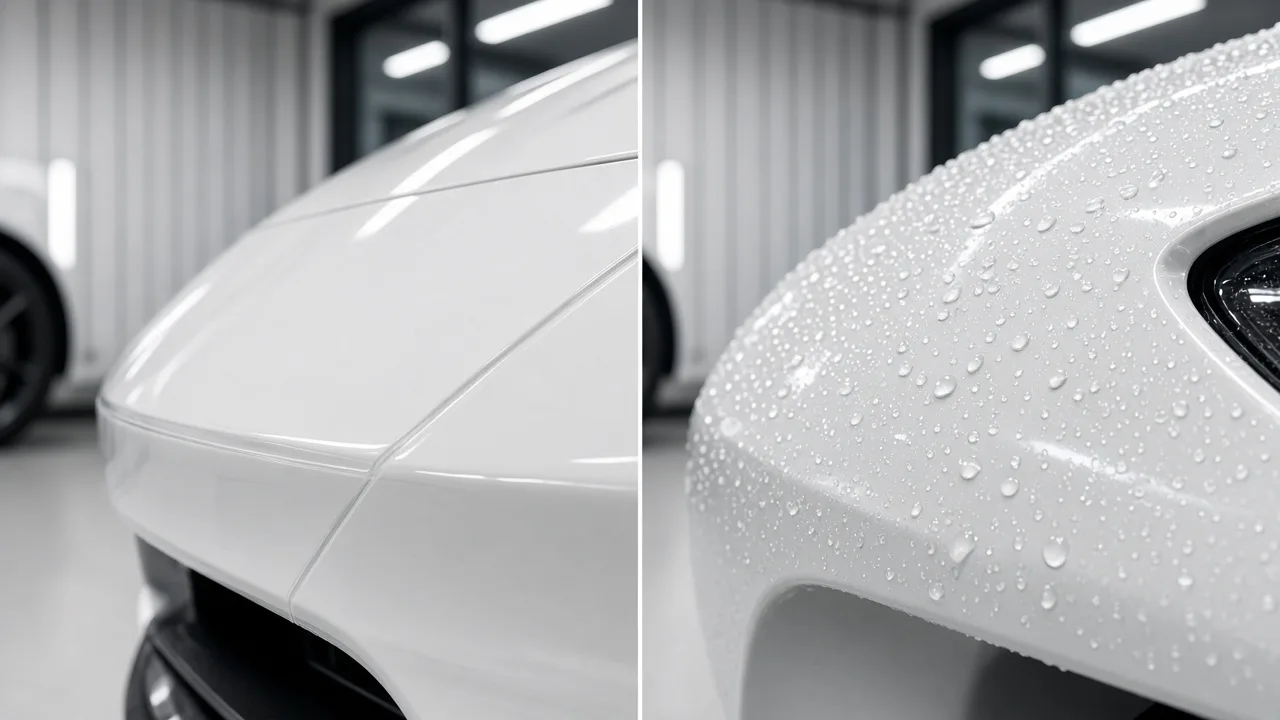
PPF Removal & Paint Safety: What Owners Should Know
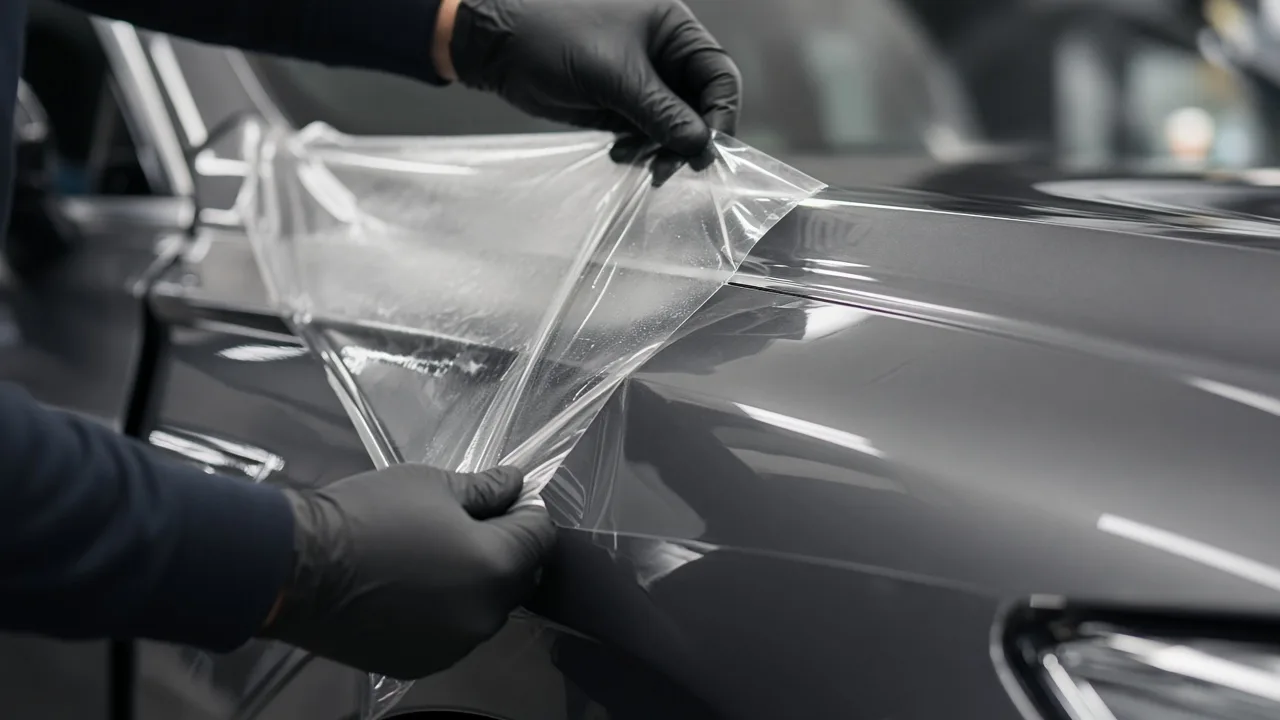
PPF removal should leave factory paint intact when done correctly. Learn safe techniques, when paint is at risk, and how to plan removal before resale or re-wrap.
Paint protection film is designed to come off—but PPF removal is not a rip-and-yank job. Adhesive, time in sun, and underlying paint health determine whether you reveal flawless factory finish or create a costly correction project.
Why removal timing matters
Film within its service window usually releases with controlled heat and proper chemistry. Wait too long and adhesives can harden, especially on horizontal panels baking in sun. Edge lift that lets water and salt under film can also weaken surrounding clear coat. Schedule removal before warranty expiration if you plan to refresh, sell, or change color strategy.
Professional techniques that protect paint
Experienced shops combine steam, infrared heat, and slow peel angles to walk adhesive off in one motion. Plastic razors and film-safe adhesive removers tackle residue without scratching. They work panel-by-panel, keeping temperatures below levels that damage sensitive OEM clears. Rushing with metal blades or harsh solvents is where paint safety fails.
When paint is more vulnerable
- Prior resprays of unknown quality or single-stage vintage paint.
- Clear coat that already flakes or oxidizes around chips.
- Panels with repeated touch-ups under old partial bra seams.
- Film installed over contamination, trapping moisture for years.
Disclose history to your detailer before quoting removal.
PPF removal before resale or lease return
Buyers may prefer documented factory paint; removing film lets inspectors see true condition—chips included. For leases, check whether film counts as modification; removal should not ghost outlines if adhesive is managed correctly. Photograph panels during removal for transparency in listings.
Transitioning to new film or ceramic
After PPF removal, allow solvents to fully evaporate before new adhesive touches paint. Minor marring may need gentle polishing; deep defects should be addressed before re-install. Matching new film lots for partial upgrades avoids gloss mismatch on refreshed panels.
Cost factors and choosing a remover
Price scales with vehicle size, film age, and adhesive cleanup time. Shops that install film daily usually remove it safely; general body shops without film experience may quote cheap and learn on your car. Ask for process details and post-removal inspection lighting.
Need pros who handle both install and removal? Find PPF installers on BizMox and confirm removal services before you book.
Frequently Asked Questions
Comments (0)
Leave a Comment
You need to be signed in to leave a comment.
Sign in to comment