Rock Chip Protection for Highway Drivers: Why PPF Wins
Highway miles throw gravel, sand, and debris at your paint every day. Learn why paint protection film delivers the best rock chip protection and which panels deserve coverage first.
If your commute includes interstates, express lanes, or gravel shoulders, you already know what rock chips look like—small white craters in the hood that multiply every season. Rock chip protection is not about vanity alone; it preserves resale value and keeps repainting costs off your calendar. Among the options drivers compare, paint protection film (PPF) consistently wins because it is engineered as a sacrificial urethane layer, not a cosmetic topcoat.
Why highway miles punish front-end paint
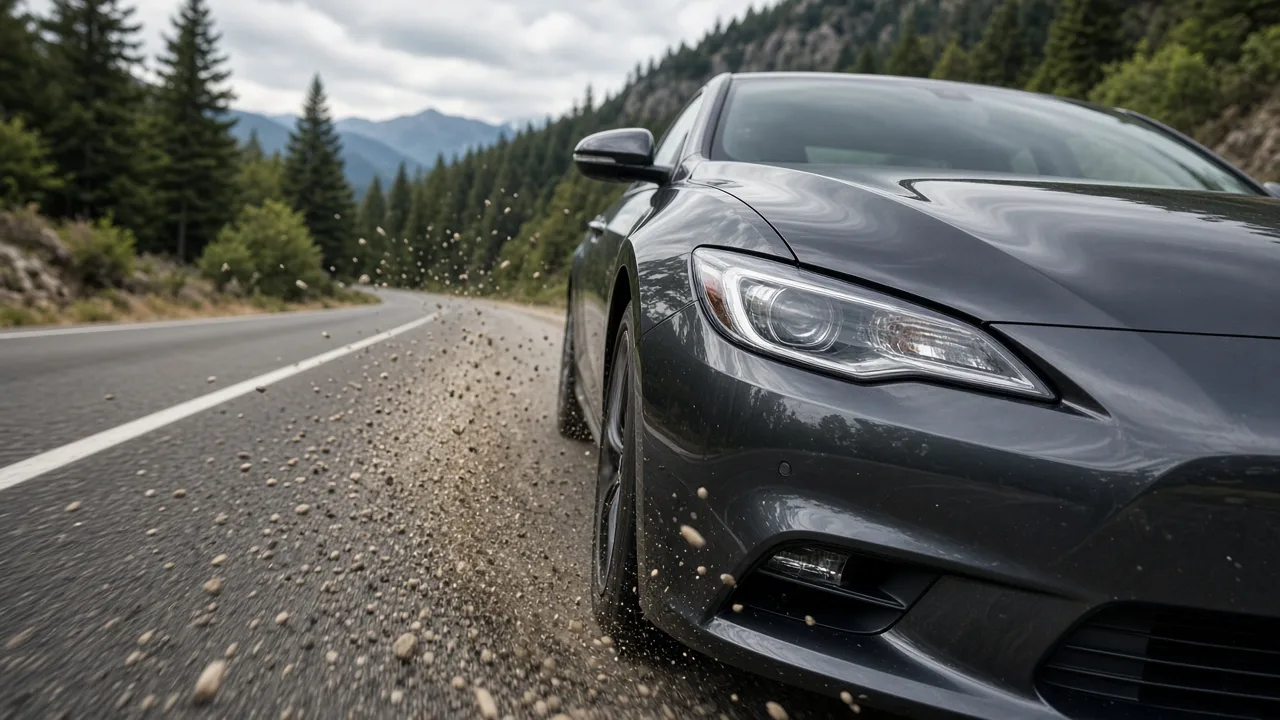
At 65 mph, even pea-sized gravel carries enough energy to fracture clear coat. Trucks ahead kick up concentrated debris; winter sand and salt add abrasive scouring along rocker panels. Factory paint is tough, but repeated impacts accumulate faster than most owners notice until sunlight reveals a constellation of chips. Touch-up pens help cosmetically yet do not restore factory texture or depth. That is why proactive rock chip protection matters before damage becomes the new normal.
- Hood and bumper receive the highest stone volume.
- Lower fenders and rockers see side-spray from wet roads.
- Mirrors and A-pillars catch glancing hits from passing traffic.
How PPF stops chips better than wax or ceramic
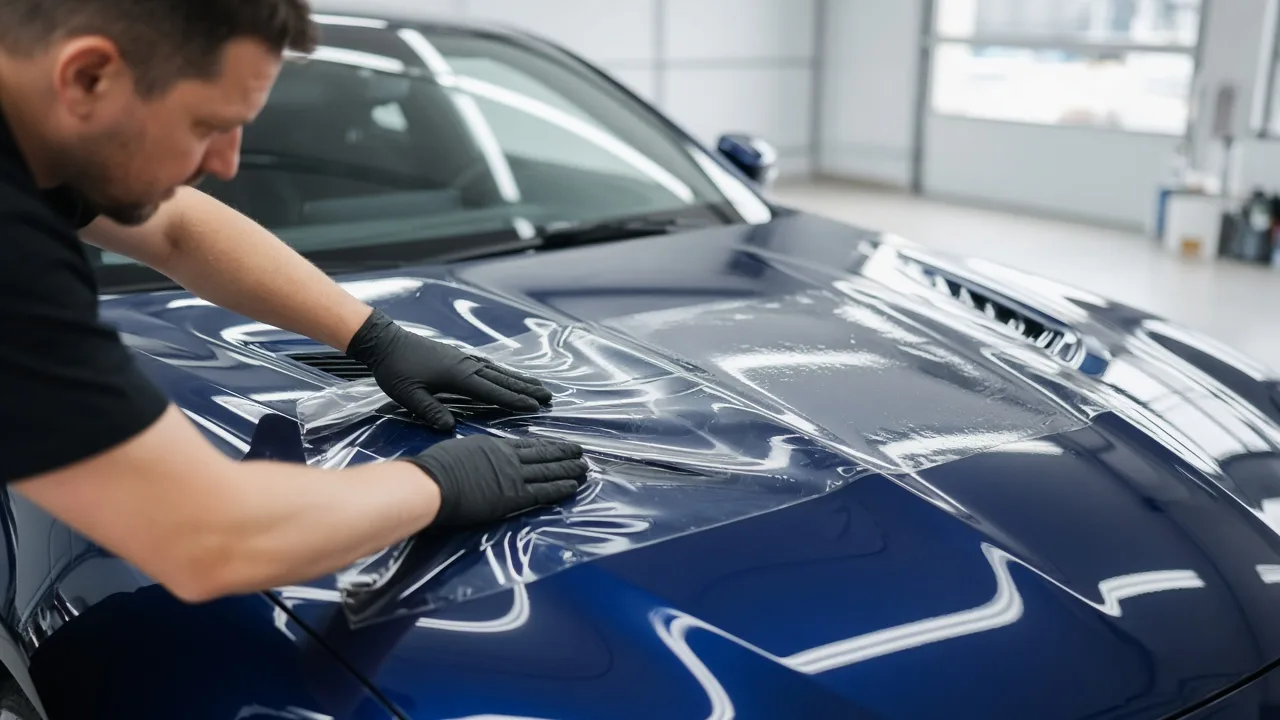
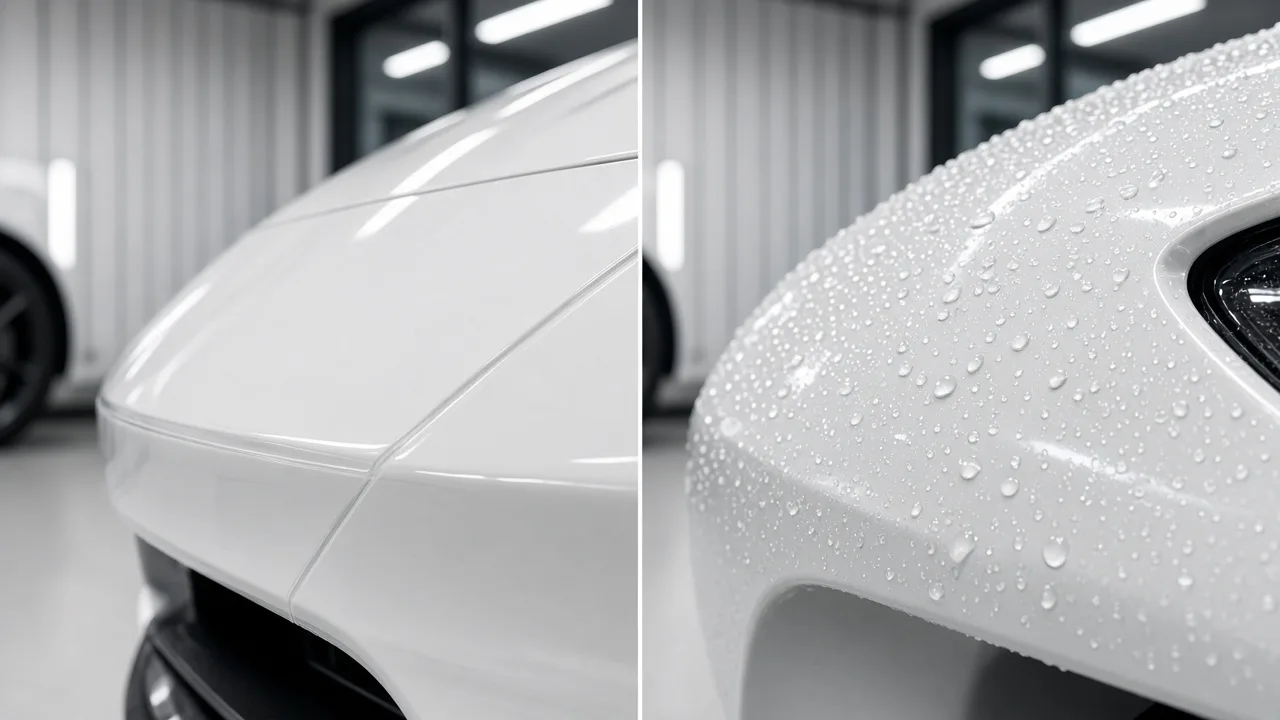
Wax and sealants sit in the microscopic pores of clear coat; ceramic coatings bond chemically but remain thin. PPF adds roughly 6–8 mils of self-healing urethane that flexes on impact, dispersing force before it reaches paint. Premium films also resist yellowing and staining from bug splatter and tar. When a chip would have pierced paint, the film may show a mark that often self-heals with heat or disappears when the panel is replaced at end of life—far cheaper than a hood respray.
Front-end packages vs full-body coverage
Most highway drivers start with a partial package: full hood (not just a bra strip), fenders, bumper, mirrors, and sometimes headlights. Full-body PPF makes sense for exotics, black or dark colors that show chips instantly, or vehicles kept five-plus years. Your installer can map impact zones to your route—mountain passes, desert highways, and construction zones each shift where debris hits hardest.
Film quality and install matter for chip defense
Not all film is equal. Look for reputable brands with documented warranties, hydrophobic top coats, and installer certification. Pattern quality matters: computer-cut kits reduce knife marks on paint and wrap edges where possible so the leading edge is fully covered. A rushed install with stretched film or dusty bays can trap contamination that fails early—exactly where you need protection most.
Maintenance that keeps protection invisible
After install, wait for the cure window your shop recommends before pressure washing close to edges. Use pH-neutral wash, avoid aggressive clay on fresh film, and remove bugs promptly. Annual inspection catches lifting edges before winter salt works underneath. Well-maintained PPF stays optically clear for years, so rock chip protection does not trade chips for an obvious plastic look.
Ready to protect your commute? Find PPF installers on BizMox and compare shops that specialize in front-end and full-body packages near you.
Frequently Asked Questions
Comments (0)
Leave a Comment
You need to be signed in to leave a comment.
Sign in to comment