Tesla PPF Guide: Model 3, Y, S & X Protection Tips
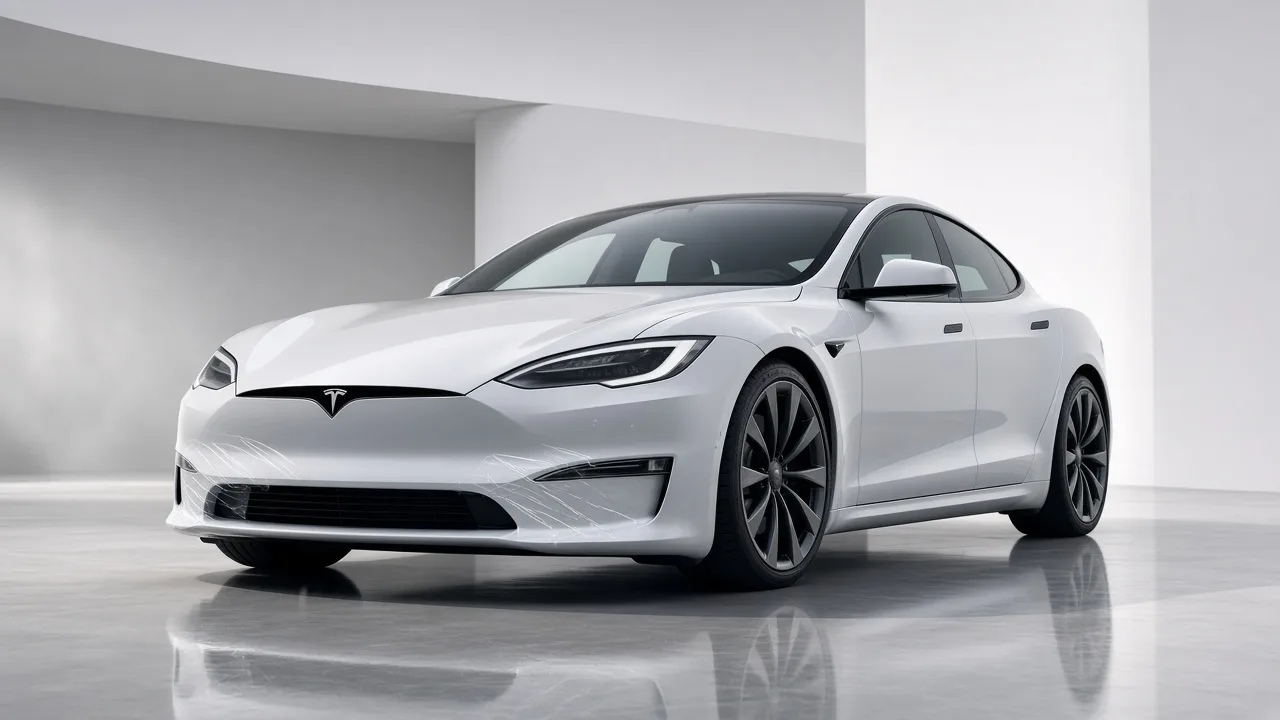
Tesla paint is chip-prone on daily routes. See model-specific PPF coverage for Model 3, Y, S, and X, plus camera, sensor, and charging-port considerations for EV installs.
Tesla owners share a common story: immaculate delivery day paint, then a peppering of hood chips within months of real commuting. Electric or not, aerodynamic noses and soft factory finishes make Tesla PPF one of the most requested upgrades in detail shops. This guide breaks down model-specific coverage tips so you protect the panels that actually suffer.
Why Tesla paint benefits from film early
Model 3 and Model Y see the highest volume, and forums consistently report thin clear coat and easy chipping on leading edges. Model S and Model X add larger surface areas and complex front clips that collect road spray. Waiting until chips appear means touch-up under film or living with visible damage—both worse than wrapping early.
EV ownership often includes more highway miles as owners chase charging networks and road trips. Quiet cabins hide wind noise but not the gravel hitting the hood. Treat PPF as part of total ownership cost alongside tires and charging adapters.
Model 3 and Model Y: practical coverage maps
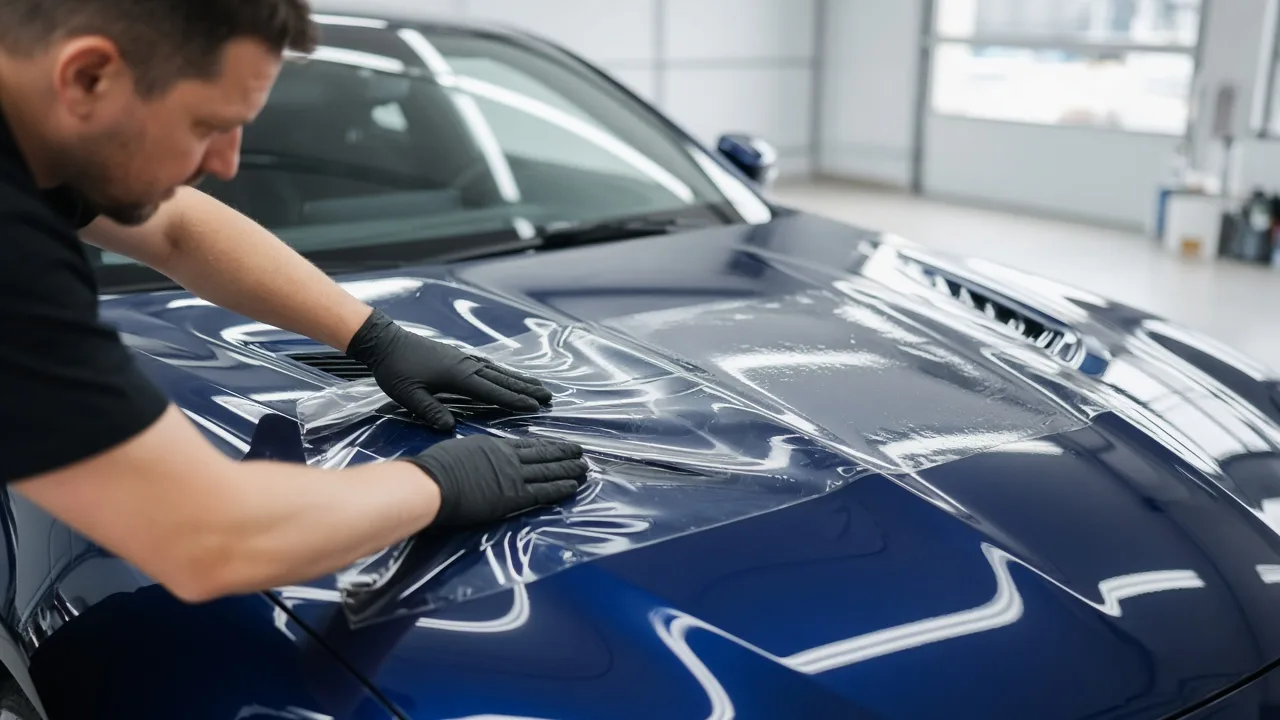
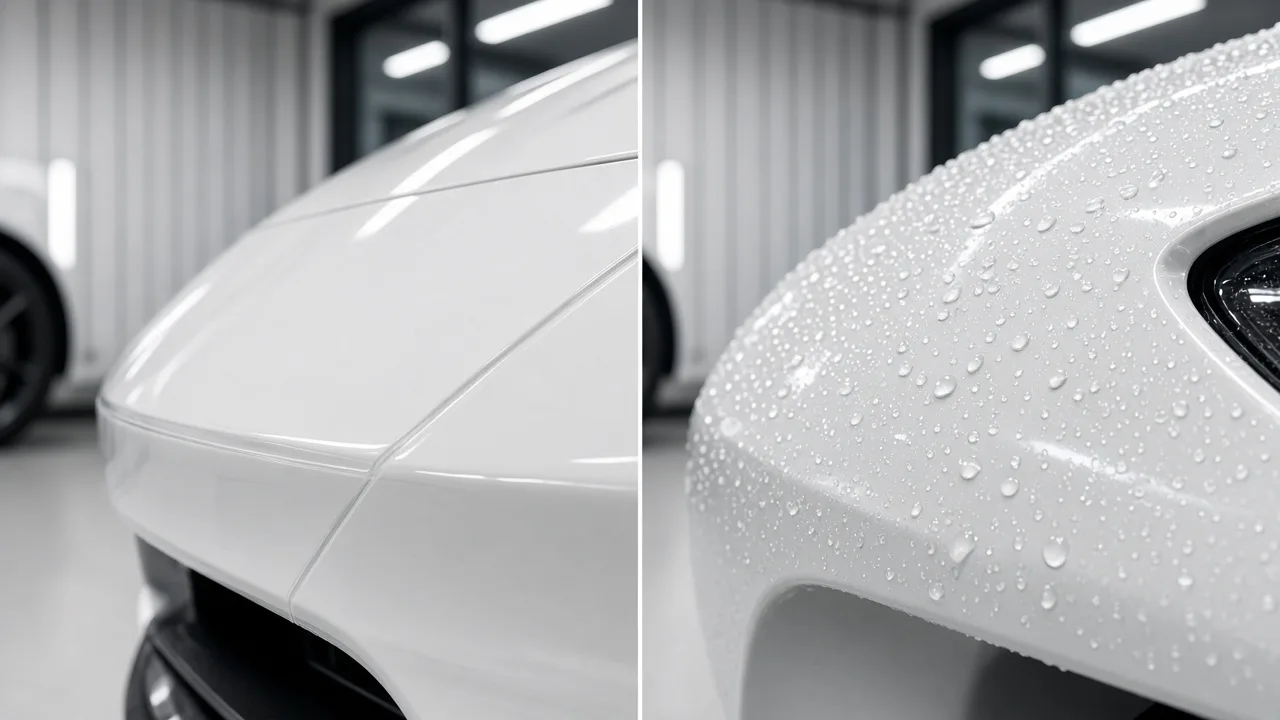
Full-front packages remain the default: entire hood, full bumper, fenders, mirrors, and optional headlamp film. Partial hood kits save money but leave a seam where chips still land on many commutes—most Tesla specialists recommend full hood wraps. Door cup inserts and rear bumper leading edges help with parking-lot contact and bike racks.
Model Y adds taller hatch areas prone to loading scratches; consider strip protection near the liftgate sill. Roof rails and B-pillars see brush contact on tight trails. Match add-ons to how your family uses the crossover, not just the front highway scenario.
Model S and Model X: larger panels, tighter curves
Flagship Teslas present longer hoods, wider bumpers, and intricate splitter geometry. Labor hours exceed Model 3 even when film square footage looks similar on paper. Full-body film is common among owners who want uniform gloss across massive doors and liftgates.
Falcon-wing and large door edges benefit from invisible protection strips where bags and boots scrape. Discuss edge wrapping around character lines—Tesla design language includes sharp transitions that separate great installs from average ones.
Cameras, sensors, and charging hardware
Autopilot and vision stacks require plotter patterns with verified camera cutouts. After install, verify lane-keeping, parking sensors, and summon features in a safe lot. Reputable shops test before handoff; if anything errors, return immediately for pattern checks rather than guessing.
Charging port doors and nearby paint see cable drag marks. Small protected zones or careful film placement around the port reduce paint wear without interfering with latch mechanisms. Frunk leading edges on some models chip from debris—ask whether your shop includes frunk lip templates.
Combining PPF with ceramic coating on Teslas
Many Tesla detail packages pair full-front film with ceramic coating on film and exposed paint. Coating simplifies washing white and black finishes that show water spots aggressively. Use film-safe products; avoid abrasive compounds on matte PPF if you choose stealth wraps on Performance trims.
Wait for installer cure guidelines before automatic washes. Tesla soft paint under film still needs gentle maintenance—film stops chips, not neglect. Schedule periodic inspections for edge lift near pressure-washer happy car washes.
Booking install and choosing a Tesla-aware shop
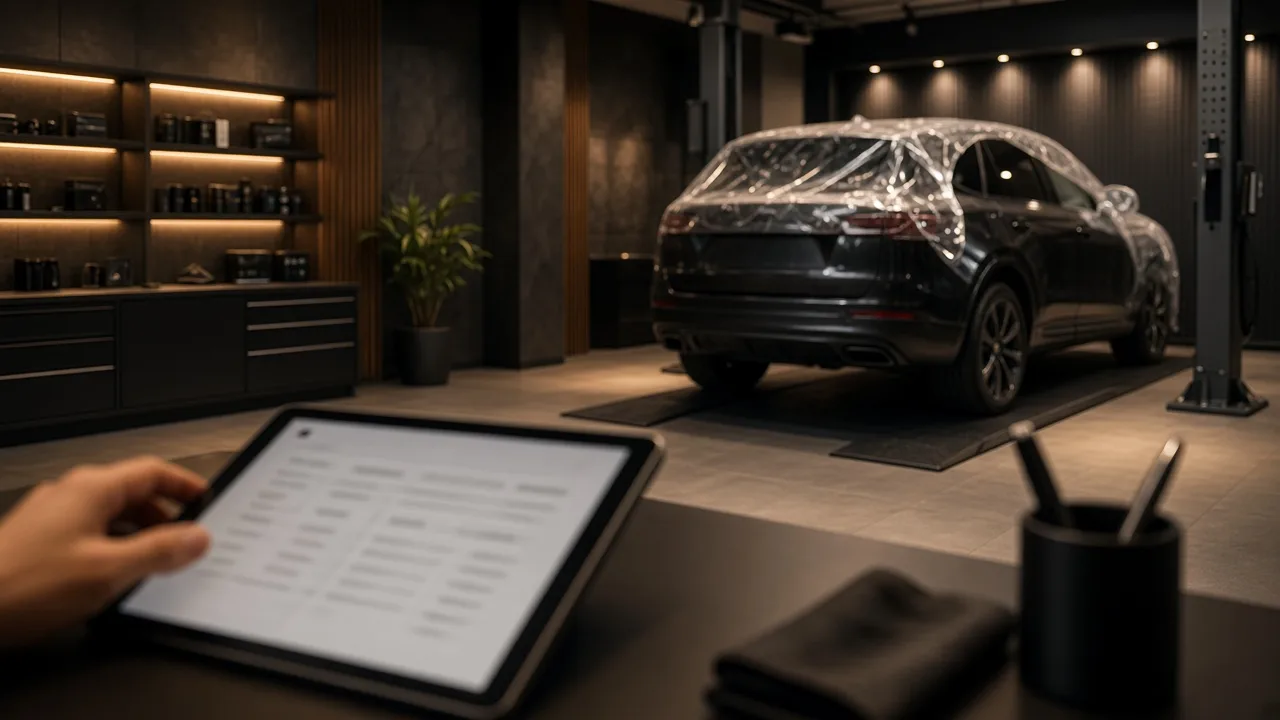
Ask how many of your model they wrap monthly and whether patterns include latest fascia refreshes. Tesla updates bumpers and camera locations; outdated templates misalign cutouts. Request photos of finished frunks, bumpers, and mirror caps on your exact year.
Compare quotes by panel list, not Tesla-themed package names. Warranty registration should be completed day one. To locate experienced EV-friendly installers, find PPF installers on BizMox and review businesses that mention Tesla or electric vehicle services.
Delivery-day paint and mobile install cautions
Some Teslas arrive with transport wash marks or rail dust that correction should fix before film traps defects. Inspect under dealership or delivery-center lighting, then schedule PPF within the first weeks if commuting starts immediately. Mobile installs can be excellent but demand spotless shade and wind control—evaluate environment honestly on dusty days.
Aftermarket wheels and lowered suspension change clearance at shop ramps; mention mods so techs plan lift points without stressing fresh film edges on side skirts.
Software updates and body revisions
Tesla refreshes bumpers, camera housings, and trim periodically. Confirm your installer’s pattern library matches your build month—not a forum thread from two years ago. Mis-cut camera holes create downtime and repeat visits that cost more than waiting for correct templates.
Paint color names shift subtly between years; if replacing one panel’s film later, expect slight mismatch and discuss blending strategies with your detailer early.
Join owner groups for your model, but treat anecdotal chip photos as reminders to wrap early—not as proof that one magic brand fixes factory paint softness. Consistent full-front coverage and gentle washing beat endless touch-up pens on every long commute.
Supercharger road trips multiply highway miles fast; if your calendar includes cross-country routes, treat Tesla PPF as trip insurance rather than a cosmetic upgrade you can defer until the hood already speckles.
Keep touch-up paint pens for unwrapped areas if you stage coverage over time, but prioritize the nose first—Model 3 and Model Y hoods chip faster than most owners expect on their first winter.
Move now: Schedule PPF before your first long road trip or winter salt season. Model 3 and Y owners typically prioritize full-front coverage; S and X owners should budget for extra labor on large panels. Protect soft paint once, and your Tesla stays delivery-fresh without constant touch-up pens.
Frequently Asked Questions
Comments (0)
Leave a Comment
You need to be signed in to leave a comment.
Sign in to comment