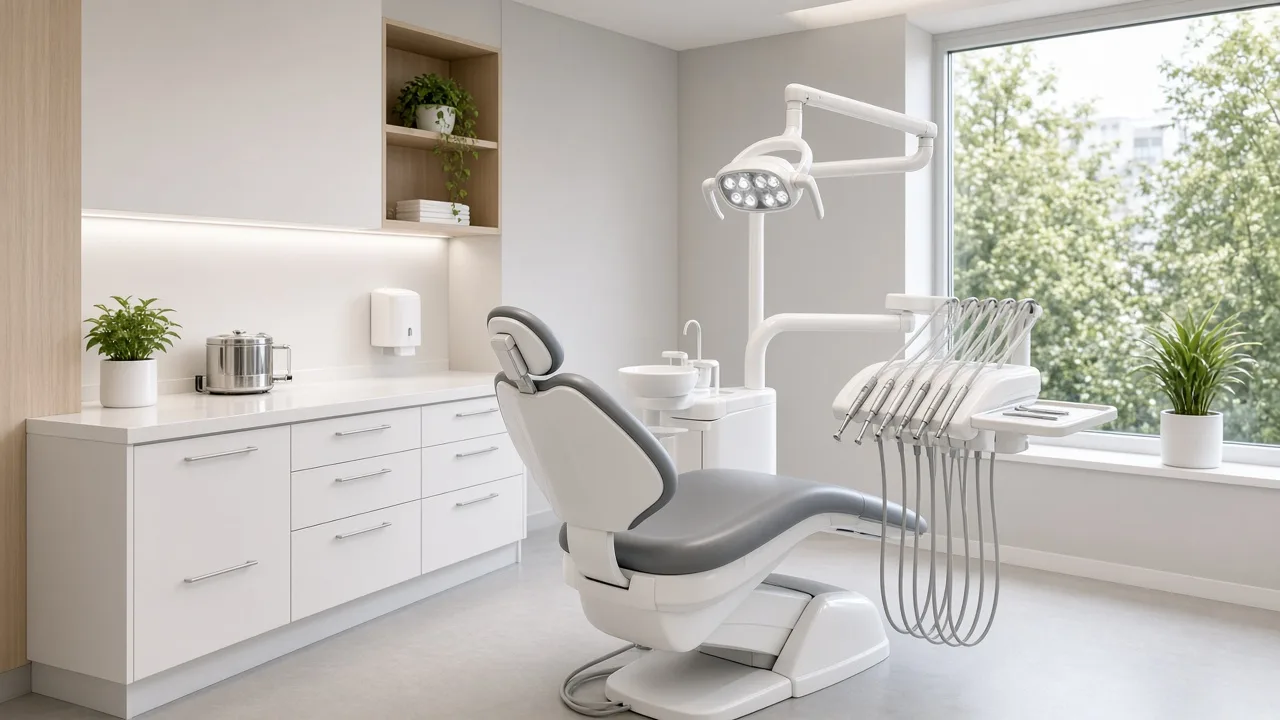
Emergency Dentist: When a Toothache Can’t Wait

Some dental problems can wait for a regular appointment; others need same-day care. Here is how to tell the difference and protect your tooth until you are seen.
Tooth pain has a way of arriving at the worst moment. Knowing when to call an emergency dentist—and what to do in the first hour—can save a tooth, ease infection risk, and shorten recovery. This guide is educational, not a substitute for professional evaluation when symptoms are severe.
Symptoms That Usually Need Same-Day Care
Seek urgent dental attention for:
- Throbbing pain that keeps you awake or radiates to the jaw or ear
- Facial swelling, especially if it affects breathing or swallowing
- Fever with dental pain (possible spreading infection)
- Trauma: knocked-out, loosened, or fractured teeth
- Bleeding that does not slow with gentle pressure after 15–20 minutes
- Large broken restorations with sharp edges or exposed nerve sensitivity
When It May Be Safe to Wait (With Caution)
Minor chip without pain, temporary sensitivity after whitening, or a lost filling without sharp pain can often be seen within a few days—still call your office for triage. If symptoms escalate, move up to emergency care. Document when pain started and what triggers it; photos help remote triage.
First-Aid Steps While You Arrange Care
Rinse with warm salt water if gums are irritated. For swelling, a cold compress on the cheek in 10-minute intervals may help comfort. Over-the-counter pain relievers may be used as directed on the label unless your clinician has told you otherwise. Do not place aspirin directly on gum tissue—it can burn.
Knocked-Out and Luxated Teeth: Timing Matters
Avulsed permanent teeth have the best prognosis when reimplanted quickly. Keep the patient calm, control bleeding with gauze, and transport tooth and patient together. Partially displaced teeth also need prompt stabilization—do not force them into place yourself.
What an Emergency Visit Typically Includes
The dentist will diagnose with exam and imaging, drain abscesses if present, smooth sharp edges, splint mobile teeth, prescribe antibiotics when clinically appropriate, and schedule definitive treatment (root canal, crown, extraction) as a follow-up. Pain control is a bridge, not the final solution.
Preventing the Next Crisis
Address small cavities early, wear a mouthguard for sports, avoid chewing ice or opening packages with teeth, and keep regular checkups so cracks and failing fillings are caught before they flare at midnight on a holiday weekend.
For practices offering extended hours, find dentists on BizMox in your area and save a number before an emergency strikes.
Trust your instincts: escalating pain, swelling, or trauma deserve professional eyes quickly. Quick action protects both comfort and long-term oral health.
Frequently Asked Questions
Comments (0)
Leave a Comment
You need to be signed in to leave a comment.
Sign in to comment