What Happens at a Professional Dental Cleaning?
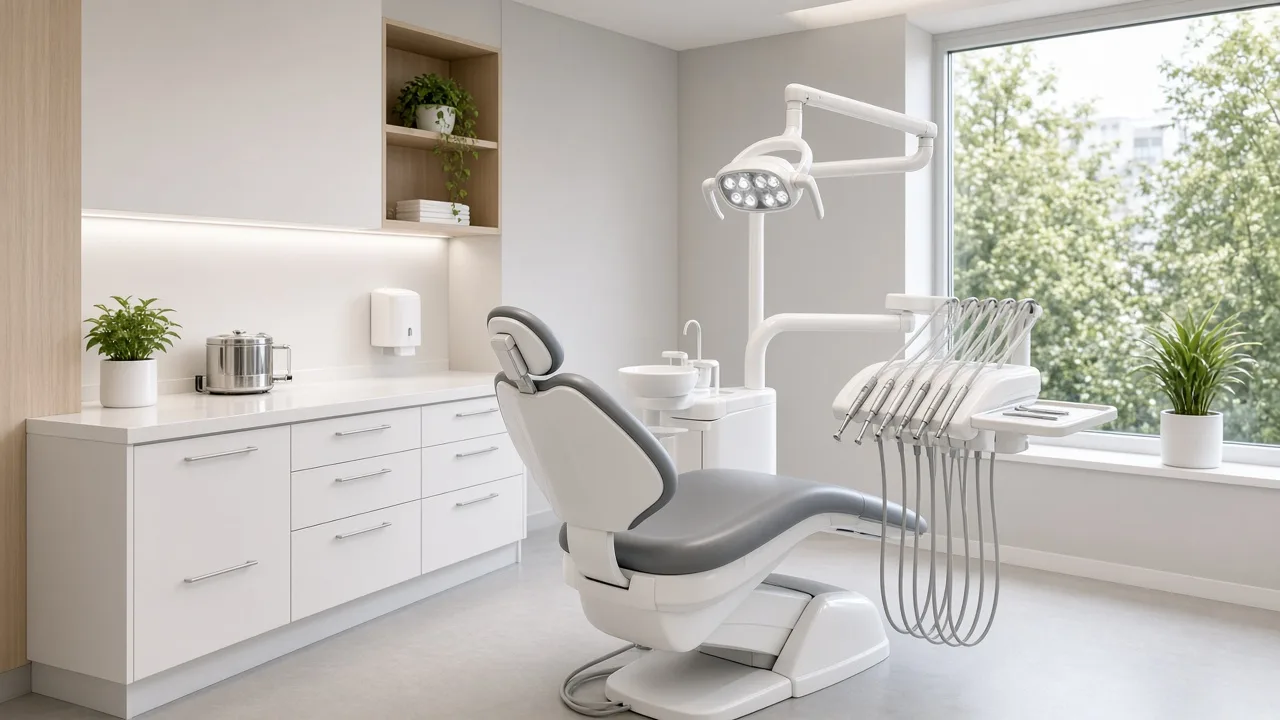
Professional cleanings do far more than polish surface stains. Here is a step-by-step look at what hygienists and dentists check during a routine visit.
If it has been a while since your last appointment, you might wonder what a professional dental cleaning really involves—and whether it is worth the time. In short: hygienists remove buildup you cannot safely reach at home, dentists screen for disease, and together they help you keep teeth and gums stable for decades.
Before You Sit in the Chair: Updates and Assessment
Your visit usually starts with a medical history review. Medications, reflux, diabetes, pregnancy, and joint replacements can all influence gum health and bleeding. Blood pressure checks are common. The hygienist may ask about flossing habits, snoring, or jaw pain so the dentist has full context.
Exam and Periodontal Charting
Many cleanings include a quick exam: soft tissues, lymph nodes, bite, and worn fillings. For gum concerns, the hygienist measures pocket depths around teeth—a painless process with a small probe. These numbers guide whether you need a standard prophylaxis or deeper periodontal therapy.
Scaling and Root Planing (When Needed)
Using ultrasonic scalers and hand instruments, the hygienist removes plaque and tartar above and below the gumline. You may hear a soft humming from the ultrasonic tip; water spray keeps the area cool. Sensitive spots are normal—speak up so adjustments can be made.
Polishing, Flossing, and Fluoride Options
After scaling, teeth are polished to remove surface stains (not a substitute for whitening). Flossing demonstrates areas you might miss. Fluoride varnish may be offered to strengthen enamel against decay; it is especially helpful for children and cavity-prone adults.
The Dentist’s Check and Your Personalized Plan
The dentist reviews X-rays when taken, checks for cavities, cracked teeth, and signs of oral cancer, and discusses findings. You should leave with clear next steps: recall interval (often six months), product tips, or referral for orthodontics or sleep evaluation.
How to Maximize Results Between Visits
Electric brushes, interdental cleaners, and tongue brushing extend the benefit of professional care. If you have implants or bridges, ask for tailored home tools. Consistency beats perfection—two minutes twice daily plus daily interdental cleaning is the baseline most teams recommend.
Need a hygienist-led team near you? find dentists on BizMox and filter for practices emphasizing preventive care.
Understanding each step turns anxiety into predictability. Regular cleanings are an investment in comfort, fresh breath, and catching problems early—long before they become emergencies.
Frequently Asked Questions
Comments (0)
Leave a Comment
You need to be signed in to leave a comment.
Sign in to comment