Dental Crowns: When You Need One and What to Expect
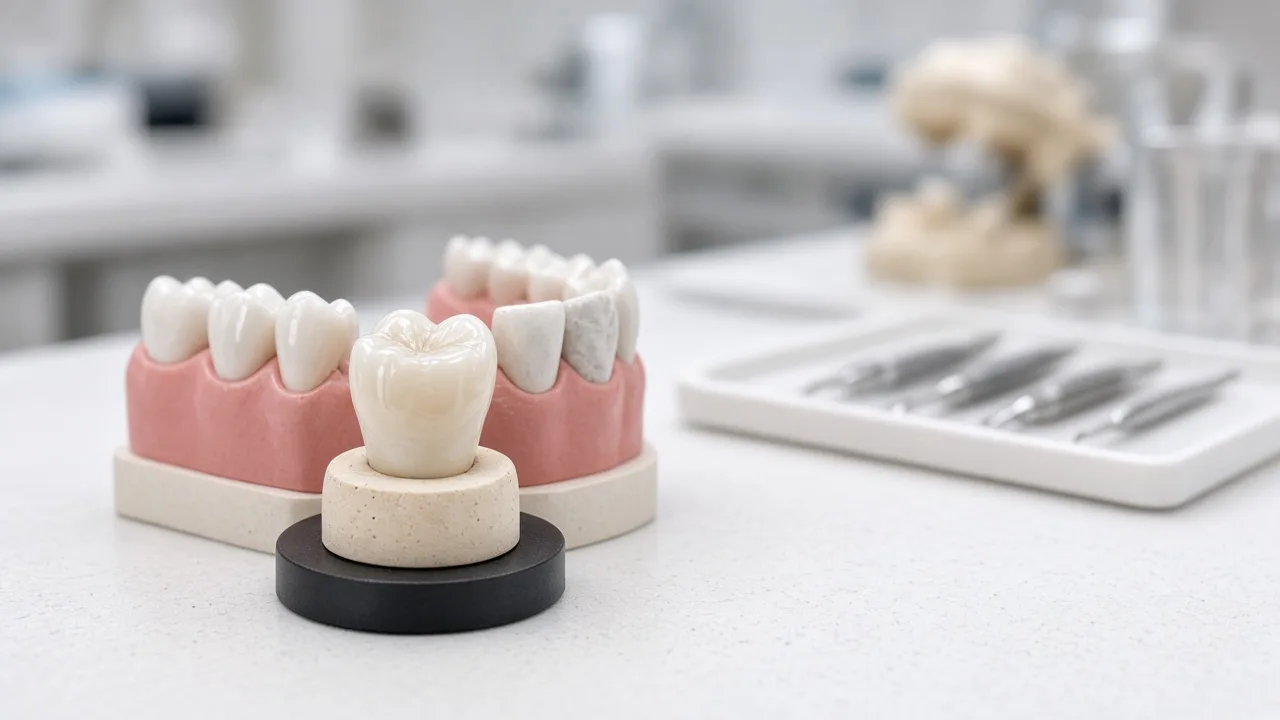
A dental crown restores strength and shape when a tooth is too damaged for a filling alone. Here is when you may need one and what each visit involves.
A dental crown is a custom cap that covers a damaged or weakened tooth, restoring its shape, strength, and appearance. Dentists recommend crowns when a tooth cannot safely hold a large filling, after root canal treatment, or when a crack threatens the whole structure. Understanding the process helps you plan time off work, compare materials, and ask better questions at your next appointment.
When a Dental Crown Becomes the Right Fix
Not every chipped tooth needs a crown, but several situations make one the most predictable long-term solution. Deep decay that removes a large portion of enamel, a vertical crack that spreads when you bite, or a tooth that has had multiple fillings may all fail if only patched again. Crowns are also standard after root canal therapy because the hollowed tooth is more brittle. Cosmetic concerns—such as severe discoloration or misshapen front teeth—can sometimes be addressed with veneers, but when bite forces are high, a crown offers fuller coverage. Your dentist will evaluate X-rays, bite patterns, and gum health before recommending a crown versus an onlay, veneer, or extraction and implant.
- Large cavity or old filling that leaves thin walls of natural tooth
- Fracture, crack, or wear from grinding (often paired with a night guard)
- Post–root canal reinforcement
- Anchor for a dental bridge when replacing a missing tooth
Crown Materials: Porcelain, Metal, and Hybrids
Modern crowns come in several materials, each balancing aesthetics and durability. All-ceramic or porcelain crowns look the most natural and work well on front teeth. Porcelain-fused-to-metal adds strength for back molars that endure heavy chewing. Gold and metal alloys wear gently against opposing teeth and require less tooth removal, though they are less common in visible areas today. Your dentist will consider your bite, clenching habits, and whether you need a same-day CAD/CAM crown or a lab-fabricated one. Temporary crowns protect the prepared tooth while the final version is made—usually one to two weeks unless your office offers digital milling.
What Happens During Crown Appointments
Most crown cases take two visits, though some practices complete everything in one day. At the first appointment, the dentist numbs the area, removes decay or old filling material, and shapes the tooth so the crown fits without feeling bulky. Impressions or digital scans capture the shape of the prepared tooth and neighboring teeth. A temporary crown is cemented with gentle adhesive so it can be removed easily later. At the second visit, the temporary comes off, the fit and color are checked, and the permanent crown is bonded or cemented. You may need a slight bite adjustment so chewing feels even on both sides.
Recovery, Sensitivity, and Daily Care
After placement, mild sensitivity to hot, cold, or pressure is normal for a few days. Over-the-counter pain relievers and sensitivity toothpaste often help. Avoid sticky or hard foods on a temporary crown—it is not as strong as the final restoration. Once the permanent crown is in place, brush twice daily, floss carefully around the margin where crown meets gum, and keep regular cleanings. Tell your dentist if you notice a rough edge, a high spot when biting, or gum redness that does not improve. Well-maintained crowns function like natural teeth for many years.
Cost Factors and Planning With Your Dentist
Price varies by material, tooth location, and whether additional work—such as a buildup or post—is needed. Dental insurance often covers a portion of medically necessary crowns, though annual maximums apply. Ask for a written estimate and whether your plan prefers certain materials. If cost is a concern, discuss phased treatment or payment options your office may offer. Comparing only on price can backfire if fit or longevity suffer; a skilled dentist and quality lab matter as much as the fee.
Ready to restore a troubled tooth? find dentists on BizMox to compare local practices, read reviews, and book a consultation.
When you choose a dentist you trust, crown treatment becomes a straightforward path back to comfortable chewing and a confident smile.
Frequently Asked Questions
Comments (0)
Leave a Comment
You need to be signed in to leave a comment.
Sign in to comment