Gum Disease Early Warning Signs You Shouldn’t Ignore
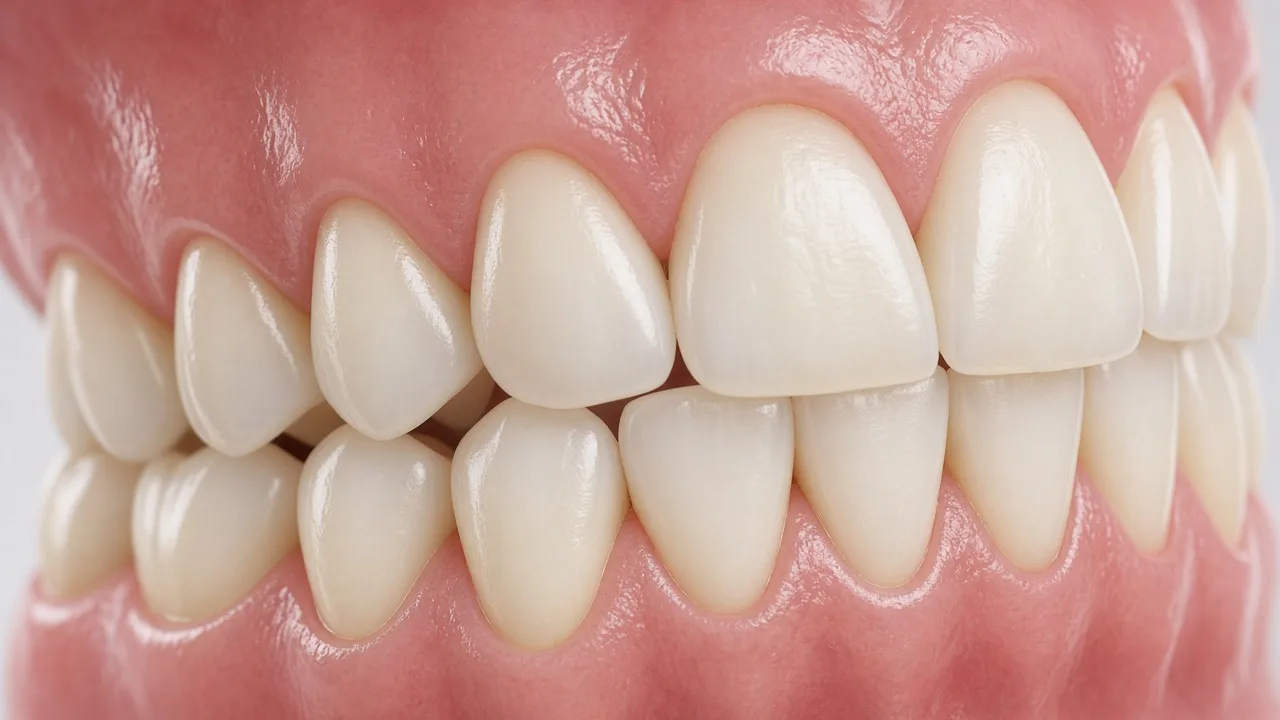
Gum disease progresses quietly from reversible inflammation to bone loss. Recognize early warning signs and act before teeth loosen.
Gum disease begins as a silent inflammation and can end in tooth loss if ignored. The good news: early gingivitis responds to professional cleaning and better daily habits. Knowing warning signs helps you seek care before bone damage becomes irreversible.
Bleeding When You Brush or Floss
Healthy gums should not bleed routinely. Blood on your toothbrush is a hallmark of bacterial buildup irritating sulcular tissue. Do not stop flossing—improve technique and schedule a hygiene visit.
Persistent Bad Breath and Bad Taste
Deep periodontal pockets harbor bacteria that produce volatile sulfur compounds. If mints only mask odor briefly, an exam with pocket measurements clarifies severity.
Receding Gums and Longer-Looking Teeth
Recession exposes sensitive roots and changes smile aesthetics. Causes include periodontitis, thin tissue types, and trauma from clenching. Gum grafts or pinhole techniques may be discussed for advanced cases.
Swelling, Color Changes, and Tenderness
Dark red or purple gum margins, puffiness between teeth, and pain when chewing suggest active infection. Acute periodontal abscesses need prompt drainage and cleaning.
Loose Teeth or New Spaces
When bone support drops, teeth migrate or feel mobile. Orthodontic shifting in adulthood is not “just aging”—it often signals periodontal breakdown requiring intervention.
Risk Factors That Accelerate Progression
Smoking, uncontrolled diabetes, certain medications, dry mouth, and skipped cleanings multiply risk. Share medical updates with your dental team so recall intervals match your biology—not a generic calendar.
Treatment Paths From Early to Advanced
Gingivitis: prophylaxis plus improved home care. Periodontitis: scaling and root planing, sometimes localized antibiotics, followed by maintenance every three to four months. Surgery or laser therapy enters when pockets remain deep after initial therapy.
Periodontal-aware practices are easy to locate when you find dentists on BizMox and ask about gum health protocols.
Your gums frame every smile and stabilize every bite. Treat early whispers—bleeding, odor, recession—as invitations to professional care, not background noise you can ignore.
Frequently Asked Questions
Comments (0)
Leave a Comment
You need to be signed in to leave a comment.
Sign in to comment