Night Guards for Teeth Grinding: Do You Need One?
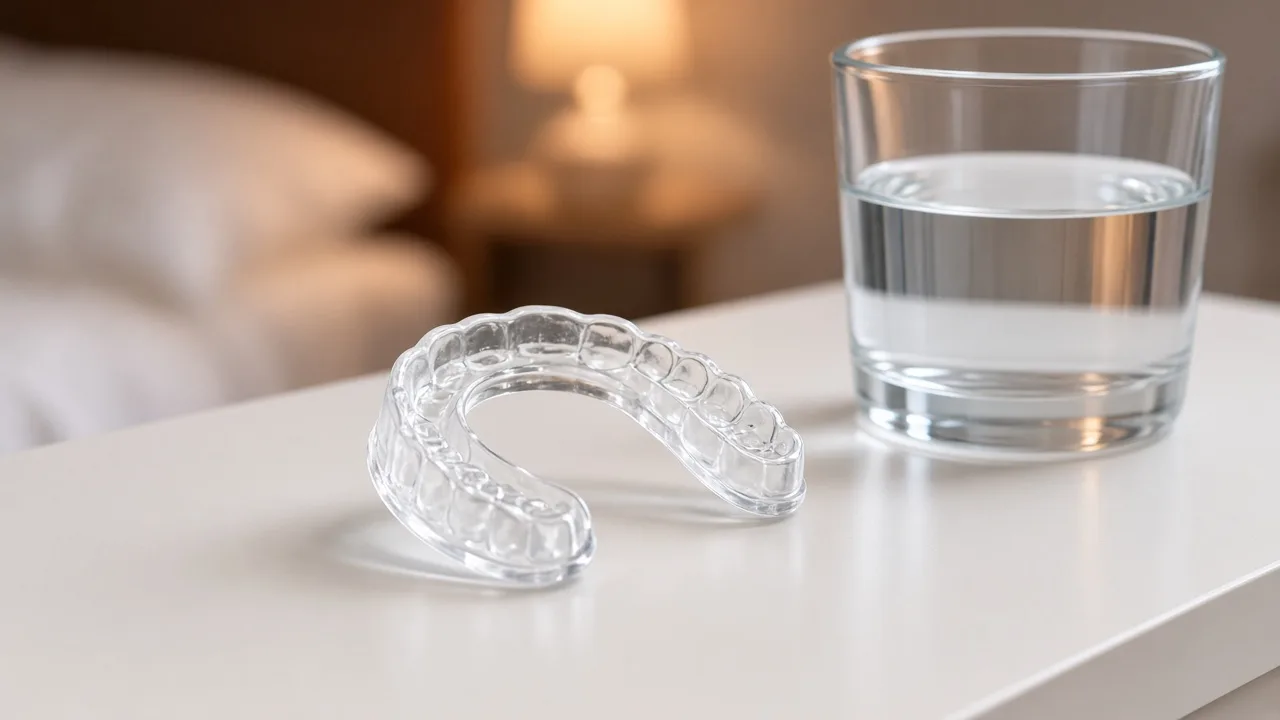
A custom night guard can protect teeth from grinding and clenching at night. Here is how to tell if you need one and how they differ from store options.
Clenching and grinding—called bruxism—often happens during sleep when you cannot consciously relax your jaw. Over time, that force cracks fillings, flattens enamel, and strains jaw muscles. A properly fitted night guard creates a cushion between upper and lower teeth, absorbing pressure that would otherwise wear your smile down.
Signs You May Be Grinding at Night
Many grinders never notice until a dentist points out wear patterns. Watch for teeth that look shorter or uneven, unexplained chips, increased sensitivity, or crowns that fail prematurely. Morning symptoms include tight jaw muscles, headaches near the temples, or earache-like pain without infection. Sleep partners may hear squeaking or grinding. Daytime clenching from stress can compound nighttime damage—notice if you clench during focused work or driving. Children sometimes grind when permanent teeth erupt; many outgrow it, but persistent wear deserves a pediatric dental check.
Custom Night Guards vs Store-Bought Options
Pharmacy boil-and-bite guards are inexpensive and fast, useful as a short trial or for travel. They tend to be thick, may not cover all back teeth evenly, and can shift during sleep. Dentist-made guards use impressions or digital scans for an exact fit, often from dual-layer materials that separate teeth comfortably. Sports mouthguards are not interchangeable—they are designed for impact, not fine occlusal adjustment. Your dentist may also adjust your bite on the guard so contact points align safely.
Getting Fitted and Wearing It Consistently
Expect one appointment for scans and a second to deliver the guard, unless your office mills it same-day. The guard should snap in firmly without rocking; soreness for a few mornings is normal as muscles adapt. Wear it every night, including naps, for full protection. Bring it to cleanings so staff can disinfect it in an ultrasonic bath if needed. Tell your dentist if you gag easily— shorter anterior designs or thinner materials may help while still covering molars.
Care, Storage, and Replacement
Rinse the guard each morning, brush gently with a soft toothbrush (avoid hot water that warps plastic), and store it in a ventilated case. Keep it away from pets—dogs love chewing them. Deep cracks, holes, or a loose fit mean it is time for a replacement. Heavy grinders might need a harder acrylic or more frequent replacements. Pair your guard with stress management, limited caffeine late in the day, and treating sleep disorders if snoring or apnea coexist.
When to See Your Dentist About Jaw Pain
Guards protect teeth but do not cure every TMJ disorder. Persistent locking, popping with pain, or pain that spreads to the neck may need evaluation beyond a standard appliance. Orthodontic bite issues sometimes contribute to grinding; your dentist can coordinate with specialists if needed.
Ask a local practice about custom bruxism appliances—find dentists on BizMox and compare experienced teams near you.
A night guard is simple technology that prevents expensive repair work—worth considering if your teeth show the telltale signs of nightly grinding.
Frequently Asked Questions
Comments (0)
Leave a Comment
You need to be signed in to leave a comment.
Sign in to comment