Orthodontist vs General Dentist: Who Should You See?
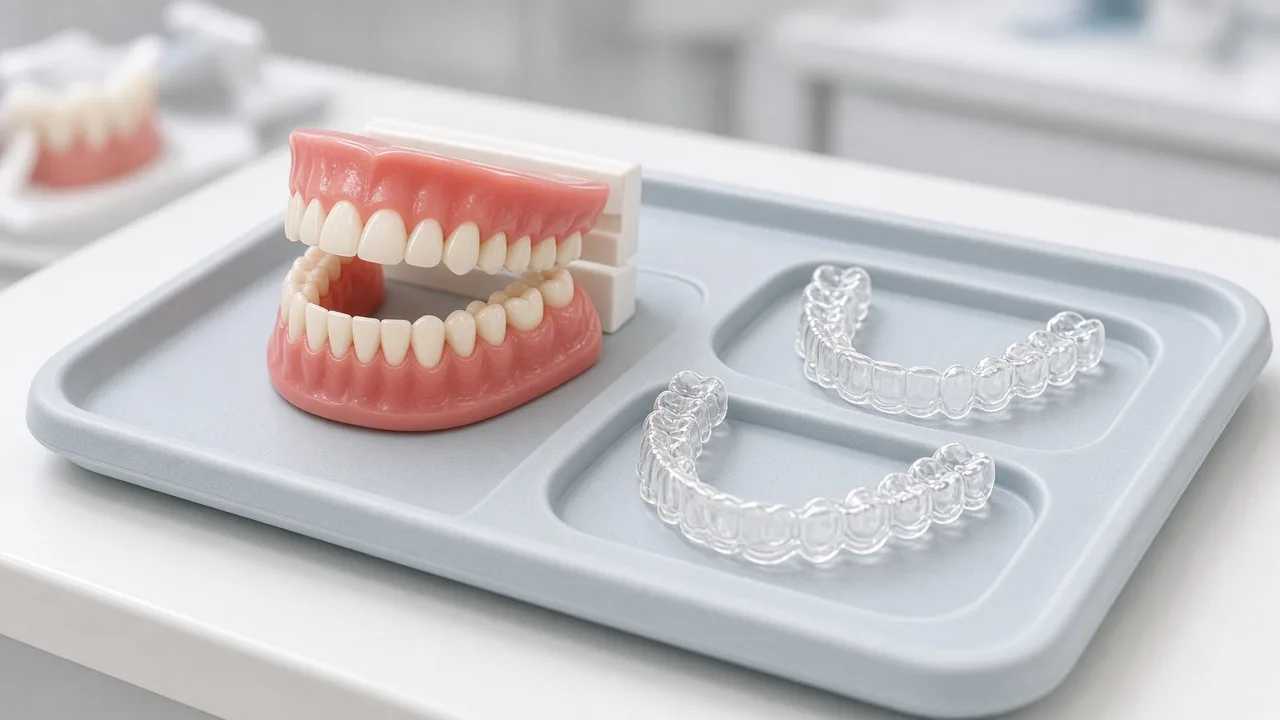
Orthodontists focus on bite and alignment after extra years of training; general dentists handle broader care and may offer limited ortho. Here is how to choose.
Straightening teeth looks simple in ads, but moving roots through bone safely requires planning. An orthodontist is a dental specialist in alignment; your general dentist is your primary oral health quarterback. Knowing who does what prevents delays and ensures complex cases get specialist eyes early.
Training and Focus: Specialist vs Generalist
General dentists diagnose decay, gum disease, and restore teeth with fillings, crowns, and implants. They monitor growth in kids and may offer cosmetic whitening or veneers. Orthodontists complete dental school plus a residency—often two to three years—devoted to braces, aligners, jaw orthopedics, and surgical coordination. They treat deep bites, severe crowding, crossbites, and airway-related growth issues daily. Both are doctors of dental surgery or medicine; the difference is scope and depth in tooth movement.
When a General Dentist Is Enough
Mild spacing, minor crowding, or relapse after teenage braces sometimes fit clear aligner therapy managed by a general dentist trained in Invisalign or similar systems. Adults with good periodontal health and realistic goals may complete treatment conveniently with a dentist they already trust for cleanings. Limited ortho integrated with whitening or bonding can be efficient when case selection is conservative and the dentist commits to refinement scans and attachment adjustments.
When to Start With an Orthodontist
Children with jaw asymmetry, impacted canines, thumb-sucking effects, or crossbites benefit from early ortho screening—even if braces wait. Teens and adults needing extractions, temporary anchorage devices, or coordination with jaw surgery should see a specialist. Severe crowding, open bites, and significant midline shifts carry higher root resorption risk without careful force control. Second opinions are normal before multi-thousand-dollar treatment plans.
Teamwork Between Both Providers
Most patients keep a general dentist for cleanings during ortho; wires and brackets need meticulous hygiene. Before ortho, dentists treat cavities and stabilize gums—movement on infected tissue fails. After debonding, general dentists monitor wear, fit retainers if delegated, and handle restorative work on worn edges. Clear communication between offices via shared records smooths transfers if you move cities mid-treatment.
Cost, Insurance, and Timeline Expectations
Orthodontic benefits often cover children more generously than adults, with lifetime maximums. Payment plans span 12–24 months in many offices. Treatment length varies from months for minor aligner cases to two-plus years for comprehensive braces. Ask whether refinements are included and who provides retainers long term.
Compare ortho-friendly dentists and specialists in one search—find dentists on BizMox and read reviews about alignment outcomes and communication.
The best choice matches case complexity to expertise—simple paths stay convenient, complex smiles get specialist precision.
Frequently Asked Questions
Comments (0)
Leave a Comment
You need to be signed in to leave a comment.
Sign in to comment