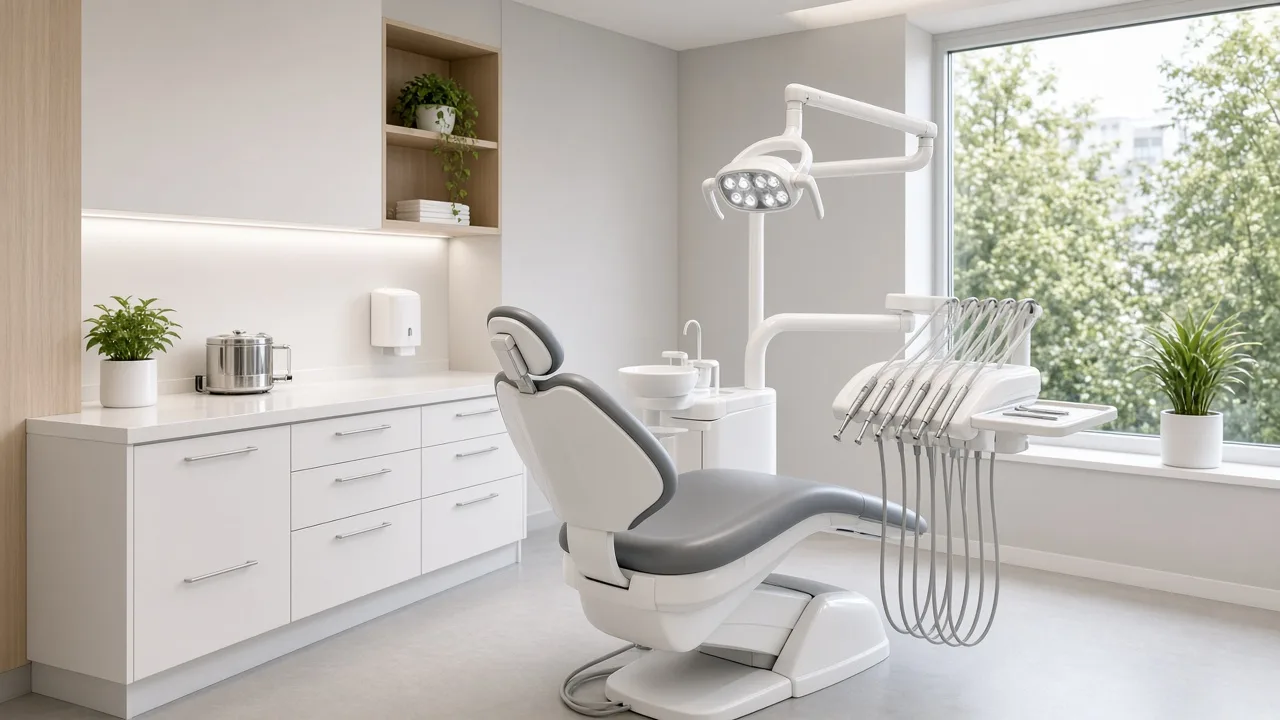
Root Canal Myths and Facts: Modern Comfort Care
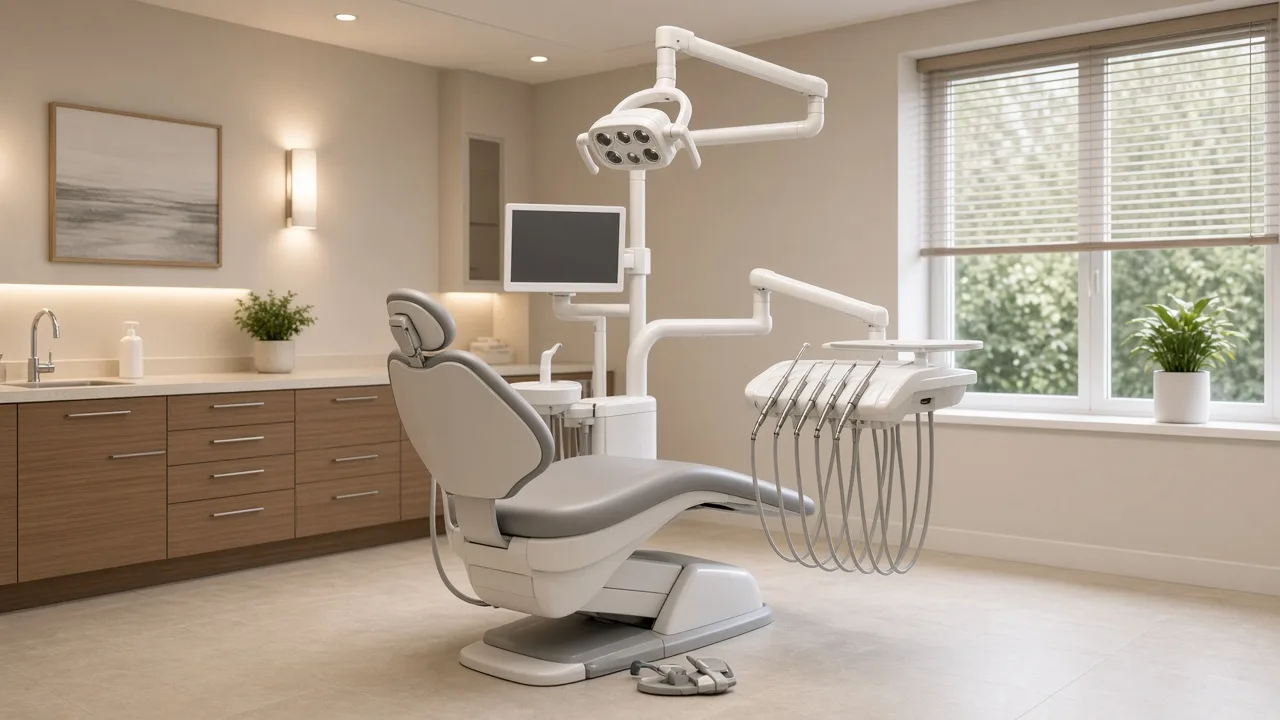
Root canal therapy saves teeth and stops deep infection. Separate outdated myths from how endodontists treat comfortably today.
Hollywood made the root canal a punchline; modern endodontics made it a pain-relief procedure. When pulp inside a tooth becomes inflamed or infected from deep decay, cracks, or trauma, removing that tissue and sealing the canals can save the tooth for decades.
Myth: Root Canals Cause Illness
Fact: Decades of research do not support claims that properly treated root canals spread systemic disease. Infection inside the tooth, if left untreated, poses real risks—that is what therapy addresses.
Myth: Extraction Is Always Simpler
Fact: Pulling a tooth shifts neighbors, increases chewing load, and may lead to costlier replacement. Retaining a natural root maintains jawbone stimulation when restoration is feasible.
What Happens During Treatment
After anesthesia, a rubber dam isolates the tooth. The dentist or endodontist accesses the pulp chamber, cleans canals with instruments and disinfecting solutions, measures lengths with imaging, and fills with gutta-percha. A temporary or permanent filling closes the access.
Technology That Improves Precision
Operating microscopes, apex locators, and 3-D CBCT help find curved or extra canals. Rotary nickel-titanium files reduce appointment time compared with older hand-file-only methods.
Recovery and When to Call Back
Mild pressure sensitivity for a few days is common. Contact the office if swelling increases, bite feels high, or temporary filling dislodges. Chew on the opposite side until the final restoration is placed.
Protecting the Investment With a Crown
Molars endure massive forces; crowns cap and protect endodontically treated teeth from vertical fracture. Delaying crown placement risks cracks that doom the tooth despite successful canal work.
Locate endodontic and restorative providers when you find dentists on BizMox and ask about microscope-assisted care.
Root canal therapy is not something to fear—it is often the path back to comfortable chewing. Armed with facts, you can accept treatment confidently and keep your natural smile intact.
Frequently Asked Questions
Comments (0)
Leave a Comment
You need to be signed in to leave a comment.
Sign in to comment