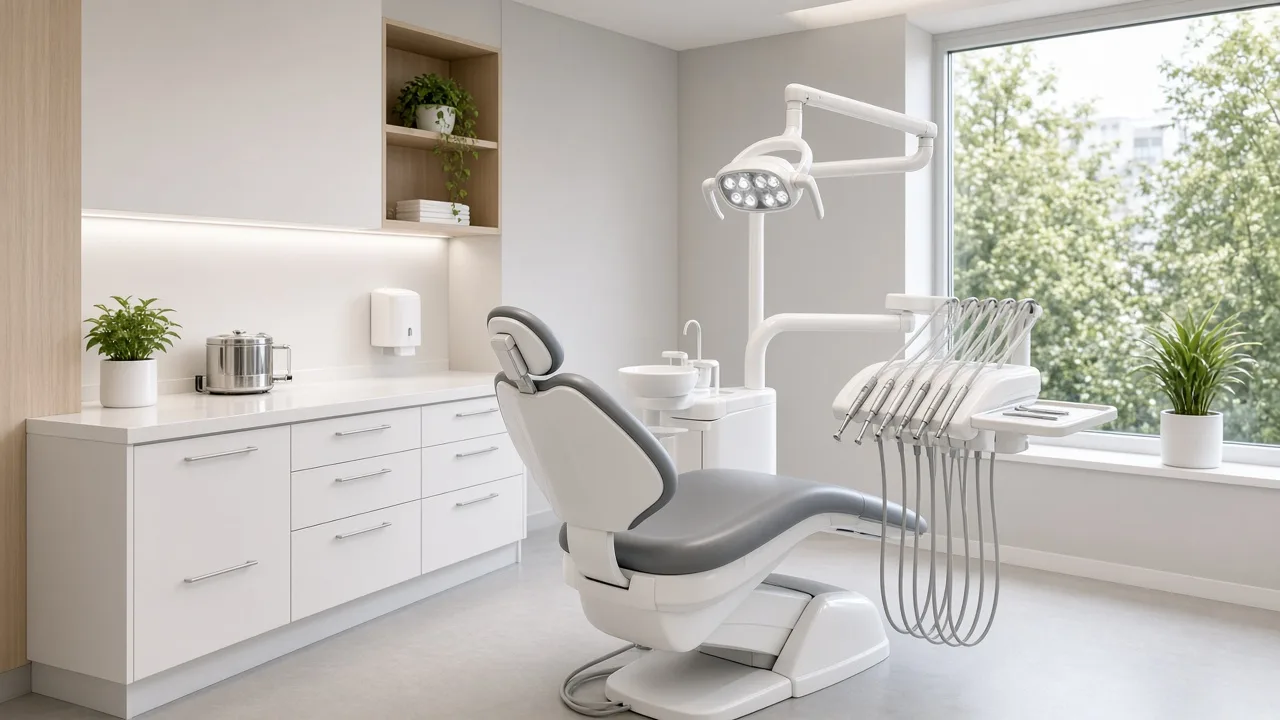
Sensitive Teeth: Common Causes and Everyday Care
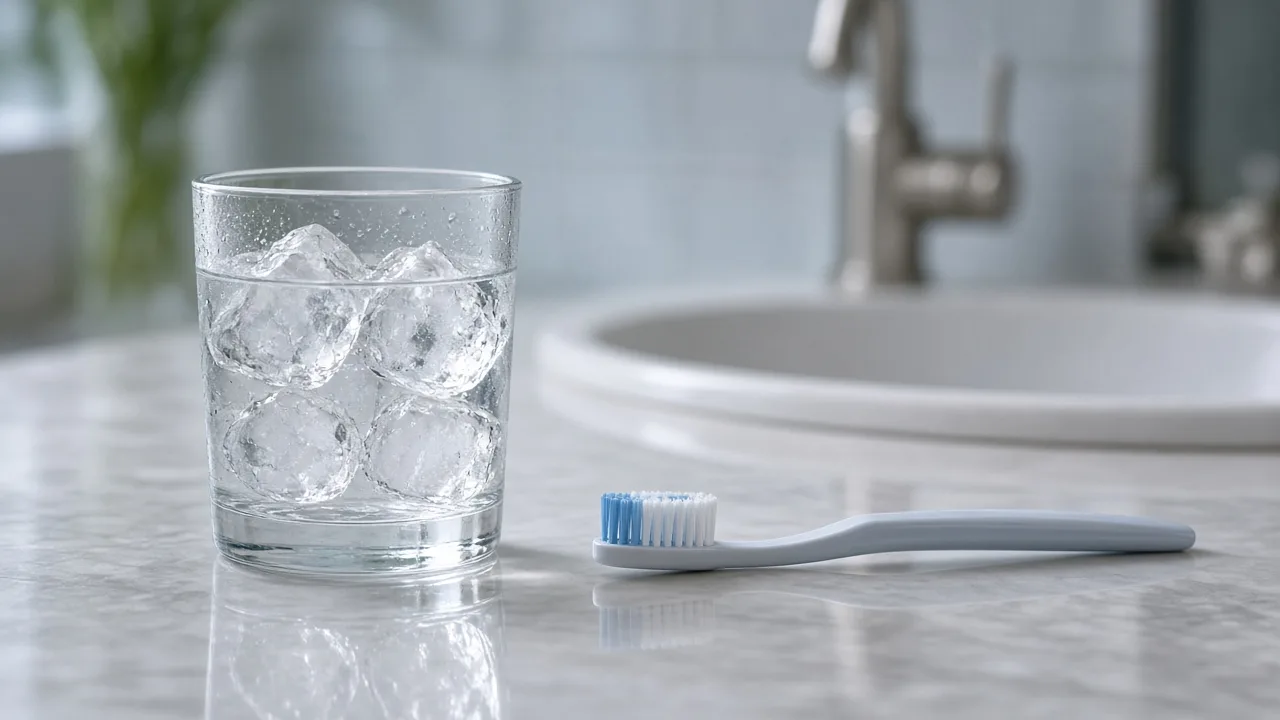
Sensitive teeth react to cold, heat, or sweets when enamel thins or gums recede. Learn causes, how sensitivity toothpaste helps, and when to see a dentist.
That sharp twinge when you sip iced coffee or bite into ice cream is one of the most common dental complaints adults report. Sensitivity toothpaste helps many people, but lasting relief starts with understanding why exposed dentin reacts—and when professional treatment is the better fix.
Why Teeth Feel Sensitive
Healthy enamel shields the softer dentin underneath. When enamel thins from erosion, abrasion, or acid exposure, or when gums recede and expose root surfaces, microscopic tubules carry temperature and sweet signals to the nerve. Cavities, cracked teeth, worn fillings, and recent whitening or scaling can cause temporary sensitivity. Sinus issues sometimes mimic upper molar zings. Grinding accelerates wear, making cold air painful on incisors. Identifying the pattern—one tooth versus all front teeth—helps your dentist target treatment instead of masking symptoms forever.
How Desensitizing Toothpaste Works
Most sensitivity pastes contain potassium nitrate or stannous fluoride, which calm nerve responses or block tubules over weeks of consistent use. Use a pea-sized amount twice daily; slathering extra on a finger and leaving it on a trouble spot for a minute can boost effect for some brands. Avoid rinsing immediately with lots of water if directions suggest minimal rinsing. Switching brands after a month with no improvement is reasonable before assuming you need in-office care. These products are safe for long-term daily use for most adults; ask about options for young children.
Daily Habits That Reduce Triggers
Brush with a soft-bristle brush and neutral pressure—think massage, not scrubbing. Wait 30 minutes after acidic foods or drinks before brushing so softened enamel is not brushed away. Limit frequent sipping of soda, sports drinks, or lemon water; rinse with plain water afterward. For reflux-related erosion, medical management of acid helps teeth too. If you whiten, space sessions and use sensitivity paste as directed. Floss gently around tender gum lines to prevent inflammation that worsens recession.
Professional Treatments When Paste Is Not Enough
Localized sensitivity on one tooth may need a filling, bonding, or crown if decay or fracture is present. Dentists can apply fluoride varnish or desensitizing resin to exposed roots in-office. Gum grafts may cover severe recession. Bite adjustments or night guards address grinding-related wear. Do not ignore pain that lingers more than 30 seconds after a cold stimulus—that can signal nerve inflammation needing root canal evaluation.
Building a Routine That Protects Enamel Long Term
Regular cleanings remove plaque that contributes to gum disease and recession. Your hygienist can demonstrate technique if certain areas wear faster. Combine sensitivity paste with fluoride rinse if recommended—not all products mix well, so ask first. Track triggers in a notes app for a week before your visit; patterns speed diagnosis.
For exams that uncover the cause—not just the symptom—find dentists on BizMox and book with a trusted local practice.
Most sensitive teeth improve with consistent home care and expert guidance; you should not have to give up your favorite foods forever.
Frequently Asked Questions
Comments (0)
Leave a Comment
You need to be signed in to leave a comment.
Sign in to comment