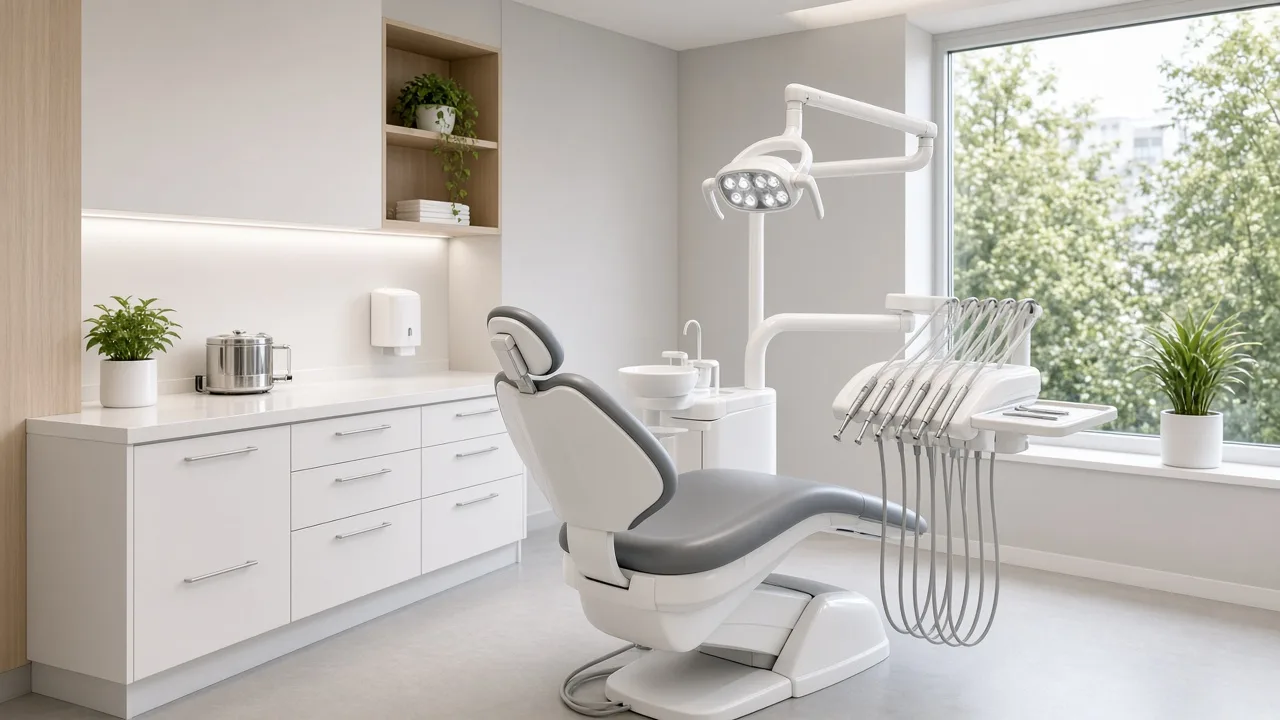
Toothache Relief Until You See a Dentist (Safe Steps)
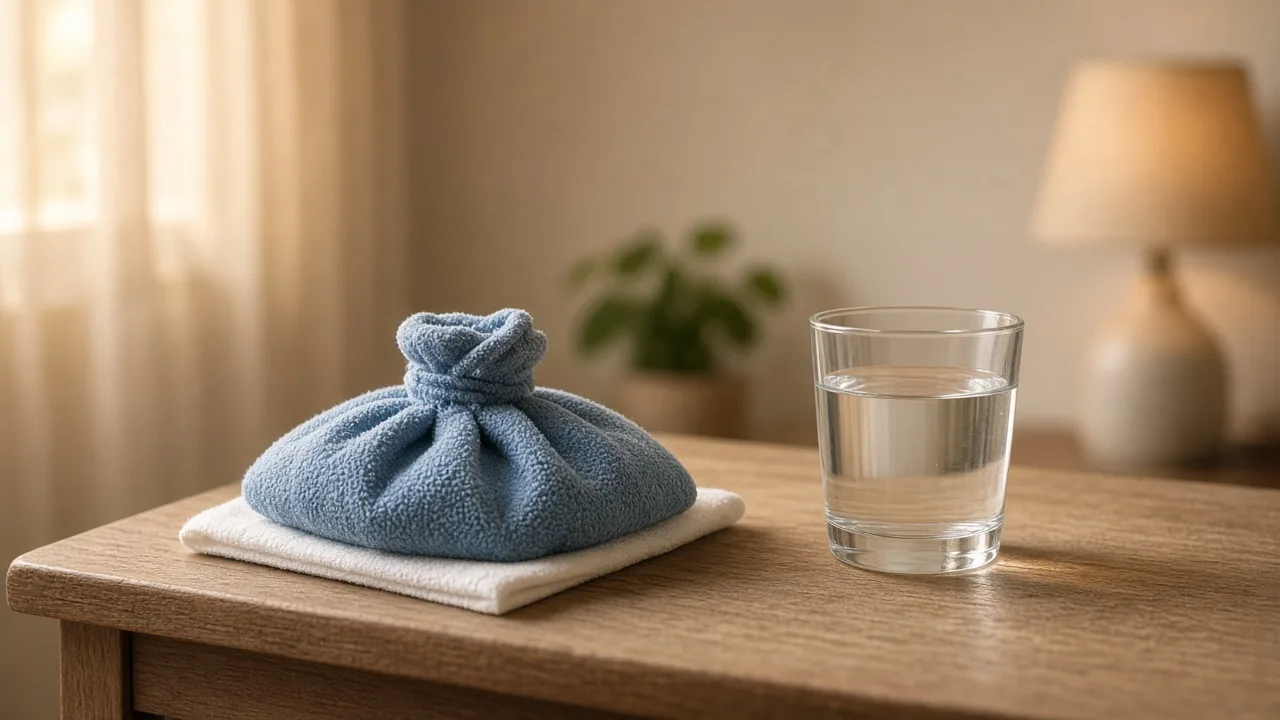
Toothache relief at home can take the edge off until a dentist finds the cause—but some symptoms need urgent care. Here are safe, practical steps.
Tooth pain can strike during a meeting, on a weekend, or miles from your regular dentist. While only a dental exam can diagnose the cause, thoughtful toothache relief at home keeps you comfortable and avoids actions that make things worse. This guide covers safe short-term steps, what not to do, and how to decide between waiting for Monday and calling an emergency dentist tonight.
Common Causes Behind the Throb
Teeth hurt for many reasons, and the sensation differs by cause. Sharp pain when biting may mean a crack or loose filling. Lingering ache after hot or cold often points to deep decay or nerve inflammation. Throbbing with swelling suggests abscess or gum infection. Sinus pressure can mimic upper molar pain. Clenching and grinding cause generalized soreness, especially in the morning. Knowing your pattern helps you describe symptoms accurately when you book care—but do not self-diagnose; treat any significant pain as a reason to schedule an exam.
Safe Home Steps for Temporary Relief
Start with gentle oral hygiene: floss around the painful tooth to dislodge food, then rinse with warm salt water (about half a teaspoon of salt in eight ounces of water). If swelling follows an injury, apply a cold pack to the outside of your cheek for 15–20 minutes. Over-the-counter ibuprofen or acetaminophen may reduce pain and inflammation if you can take them safely—follow package directions and medical advice. Elevate your head with an extra pillow at night to lessen pressure-related pulsing. Soft foods and avoiding extreme temperatures reduce triggers until you are seen.
Remedies and Habits to Avoid
Social media spreads risky “fixes” that damage tissue. Never apply undiluted essential oils, alcohol, or crushed aspirin directly to gums. Avoid super-hot or ice-cold drinks if they spike pain. Do not chew on the painful side or use the tooth to test how hard you can bite— that can split a cracked tooth further. Antibiotic leftovers without a prescription do not target the source properly and contribute to resistance. Whiskey rinses and garlic poultices irritate soft tissue without treating infection inside the tooth.
Red Flags: When to Seek Emergency Care
Some toothaches are medical emergencies. Rapid facial swelling, especially if one eye appears closed or the floor of the mouth rises, can block airways and requires immediate hospital or emergency dental care. Fever, foul taste with pus, or spreading redness on the face or neck signal serious infection. Knocked-out permanent teeth need reimplantation within an hour for the best chance of saving the tooth—store it in milk or saliva and go now. Uncontrolled bleeding after trauma, chest pain paired with jaw pain, or sudden numbness also warrant emergency evaluation, not home care alone.
Preparing for Your Dental Appointment
When you call the office, describe when pain started, what triggers it, and any swelling or fever. Note medications and allergies. If pain eases before the visit, still keep the appointment—relief may mean the nerve has died while infection spreads. Bring a list of questions about treatment options, costs, and whether same-day care is available. If you lack a regular dentist, use a trusted directory to find practices with emergency slots or after-hours lines.
For practices that accept new patients quickly, find dentists on BizMox and filter by location and hours.
Home care is a bridge—not a substitute—for professional treatment that protects your tooth and overall health.
Frequently Asked Questions
Comments (0)
Leave a Comment
You need to be signed in to leave a comment.
Sign in to comment